Technical Specifications
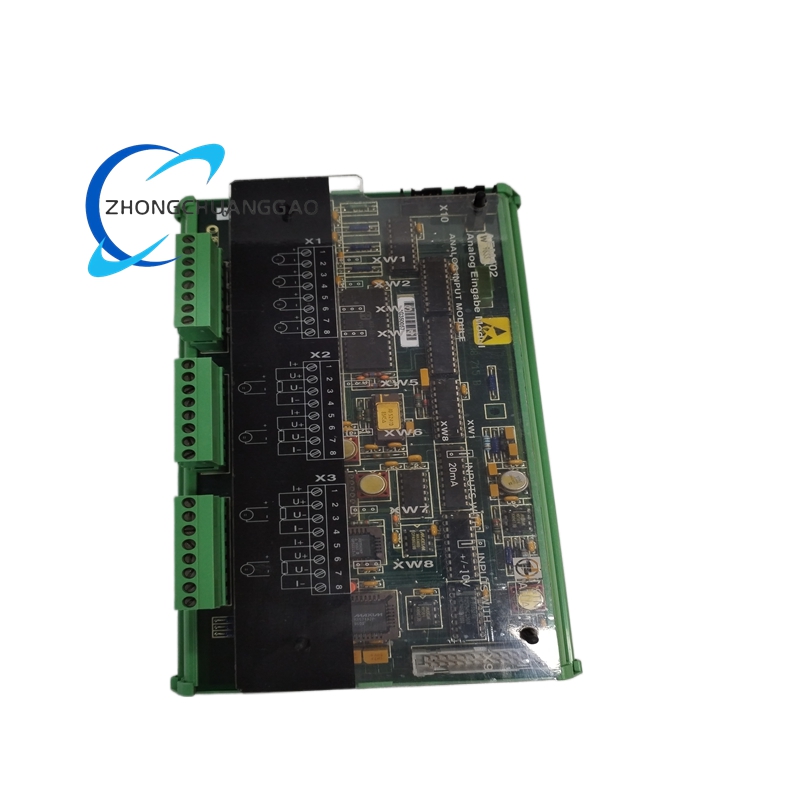
- Input Channel Quantity: 8 galvanically isolated universal analog input channels
- Supported Signal Types: PT100/PT1000 RTD, K/J/T/E-type thermocouple, 4–20 mA loop current, 0–5 V / 0–10 V DC voltage
- ADC Conversion Resolution: 16-bit high precision analog-to-digital conversion
- Channel Isolation Rating: 2500 V AC dielectric withstand between field side and internal marine bus circuit
- Onboard Cold Junction Compensation: Built-in hardware CJC circuit for thermocouple measurement
- Communication Interface: SAM proprietary MARINE BUS dual redundant serial communication port
- Power Supply Input: 24 V DC shipboard control power, allowable range 18 V DC ~ 32 V DC
- Rated Operating Power Consumption: 7 W maximum full load
- Physical Dimensions: 112 mm (W) × 145 mm (H) × 36 mm (D)
- Net Weight: 240 g
Functional Features
- Single-channel software signal type configuration without hardware jumper modification
- Dual redundant MARINE BUS communication channel to eliminate single communication cable failure risk
- Built-in channel open-circuit, short-circuit, over-range fault self-diagnosis function
- Hardware salt fog, vibration and surge protection circuit adapted to marine harsh cabin environment
- Front panel individual LED status indicator for power, bus communication, and per-channel signal fault alarm
- Support real-time signal filtering with adjustable digital filter time constant for suppressing engine vibration interference
- Compatibility with Kongsberg K-Chief, Wärtsilä NACOS, SAM ECIS ship integrated monitoring platforms
Performance Parameters
- Temperature measurement accuracy (PT100): ±0.1 °C full scale
- Thermocouple measurement error: ≤ ±0.05% FS with active cold junction compensation
- 4–20 mA linearity error: ≤ ±0.03% full signal range
- Maximum input overvoltage tolerance: ±30 V DC continuous per channel
- Response settling time per channel: ≤ 120 ms
- Operating ambient temperature: -20 °C ~ +65 °C
- Vibration compliance standard: IEC 60945 marine equipment vibration specification
- Salt fog resistance: 500 hours continuous salt spray test without performance degradation
Material Composition
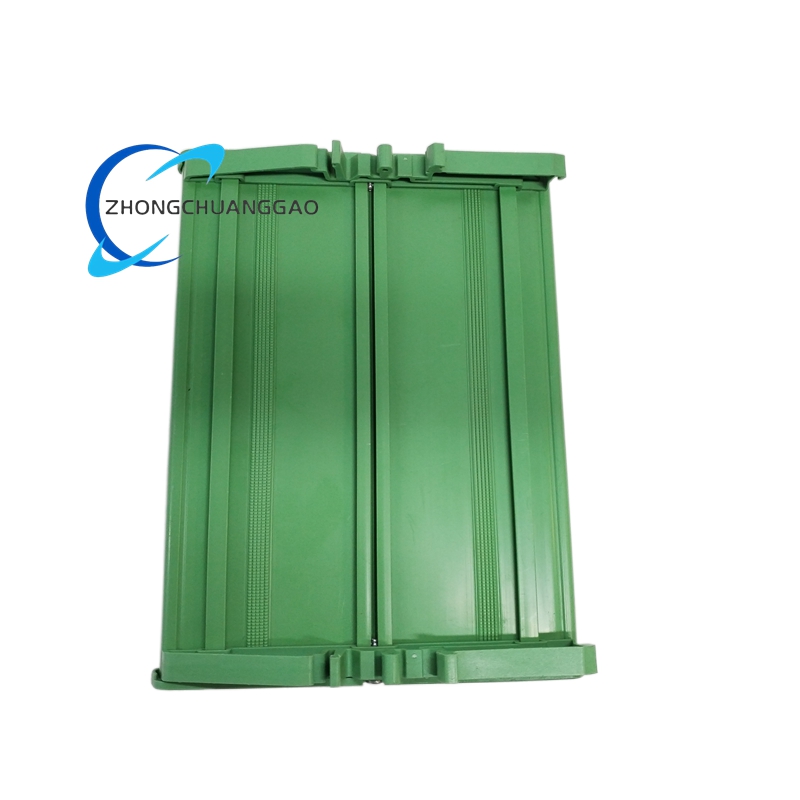
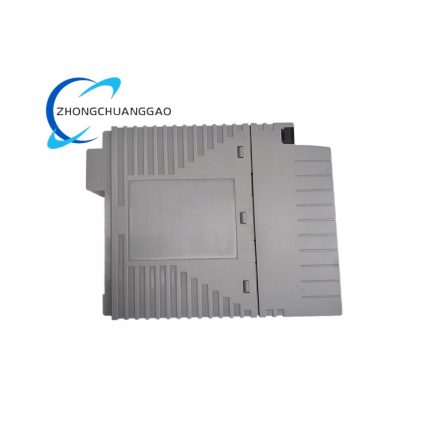
- Module housing: Flame-retardant reinforced PA66 marine-grade plastic, anti-salt corrosion coating
- Main PCB: High TG FR-4 industrial circuit board with tin-free anti-corrosion solder
- Isolation components: High voltage marine-grade optocoupler isolation chips for each channel
- Terminal connectors: Gold-plated nickel alloy spring pressure terminals resistant to marine oxidation
- Internal heat sink: Miniature aluminum alloy passive cooling fin for ADC core chip
Structural Characteristics
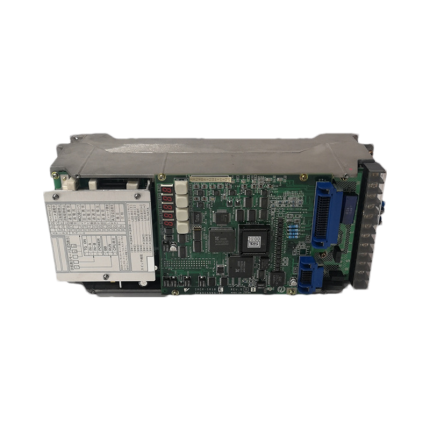
- Standard vertical ship cabinet plug-in locking structure with anti-vibration front panel latch
- Rear dual redundant MARINE BUS gold finger communication contacts
- Independent channel isolation partition layout on PCB to eliminate cross-channel interference
- Fully sealed wiring terminal compartment with dust and moisture blocking rubber sealing strip
- Front panel transparent LED viewing window resistant to seawater mist corrosion
Working Principle
Field analog sensor signals (temperature resistance, thermocouple, current, voltage) enter per-channel isolation conditioning circuits to filter marine electromagnetic and mechanical vibration noise. Conditioned signals are sent to 16-bit ADC chips for digital conversion; thermocouple channels utilize built-in cold junction compensation hardware to eliminate temperature measurement deviation caused by terminal temperature change. Converted digital measurement data is cached in onboard RAM, then transmitted to ship main automation unit through dual redundant MARINE BUS. All channel fault detection results are synchronously uploaded for alarm display on ship monitoring workstation.
Advantage Highlights
- Multi-signal universal input design reduces total cabinet module quantity and spare part inventory on vessels
- Full marine classification society certification allows direct installation in engine room, pump room and cargo control room
- Dual redundant communication architecture ensures uninterrupted monitoring of critical ship safety parameters
- Ultra-wide operating temperature and salt fog resistance suitable for uninsulated open deck auxiliary cabinets
- Software configurable signal types eliminate on-site hardware jumper modification, shortening shipyard commissioning cycle
- High 16-bit conversion precision guarantees accurate measurement of tank liquid level, bearing temperature and exhaust gas parameters
Applicable Industries
Commercial cargo ship integrated engine monitoring, cruise vessel auxiliary machinery control, offshore platform process monitoring, naval vessel machinery automation, tanker cargo tank temperature & pressure detection, fishing vessel engine safety monitoring
Product Series
SAM ELECTRONICS AEM Marine Analog Input Module Series (AEM402 universal 8-channel model, AEM404 high-density 16-channel variant)
Installation Requirements
- Mount vertically inside IP20 marine control cabinet, fully lock front anti-vibration latch after insertion
- All field sensor wiring must adopt marine shielded twisted pair cable with 360° metal shield grounding
- Connect module protective ground terminal to ship cabinet dedicated marine safety ground copper bar
- Maintain minimum 15 mm air gap between adjacent modules for passive heat dissipation
- Wire both two redundant MARINE BUS communication ports to independent signal cables for fault backup
Use & Maintenance Precautions
- Strictly prohibit input signal voltage exceeding ±30 V DC on any analog channel to avoid permanent ADC chip breakdown
- Perform power-off operation before plugging/unplugging module to prevent bus surge damage
- Wipe front panel and terminal compartment every 3 months with fresh water dampened anti-static cloth to remove salt crystal accumulation
- Do not install the module adjacent to high-power marine starter motors or frequency converters without shielding partition
- All unused analog channels must be shorted with matched resistance jumpers to avoid stray signal fault alarms
- Replace terminal spring connectors immediately if oxidation or loose contact occurs after long-term sea voyage operation








Reviews
There are no reviews yet.