Technical Specifications
- Mounting Standard: Standard industrial cabinet rack horizontal plug-in mounting or optional DIN rail vertical bracket adapter
- Overall Dimensions (W × H × D): 100 mm × 80 mm × 300 mm
- Net Unit Weight: 0.72 kg
- Primary Power Supply Input: 24 V DC nominal, operating voltage range 18 V DC – 32 V DC with full surge protection
- Continuous Power Consumption: 8 W – 12 W maximum full-load operation
- Main Processing Core: High-performance 32-bit ARM multi-core processor with hardware floating-point acceleration
- Onboard System RAM: 256 MB DDR3 industrial temperature grade memory
- Onboard Flash Storage: 512 MB internal non-volatile flash memory, SD card expandable up to 32 GB
- Real-Time Clock Module: Rechargeable battery-backed RTC with 10-year data retention lifespan
- Ethernet Interfaces: 2 × isolated 10/100 Mbps RJ45 Ethernet ports, dual independent network segment support
- Fieldbus Interfaces: 1 × high-speed CANopen master port, 2 × isolated RS485 serial ports, 1 × RS232 programming port
- Motion Control Axis Capacity: Maximum 32 synchronized servo axes via CANopen drive bus
- Onboard Digital I/O Capacity: 64 bidirectional discrete I/O points, expandable to 128 via rear rack extension slots
- Program Execution Step Speed: 350 nanoseconds per logic instruction
- Operating Ambient Temperature: -10 °C to +60 °C
- Storage Temperature Band: -25 °C to +85 °C
- Relative Humidity Operating Range: 5% – 95% RH, non-condensing
- Compliance Certifications: CE industrial EMC, UL 61010 safety standard
Function Features
- Multi-core real-time processor delivers ultra-fast logic and motion instruction execution for high-speed synchronous multi-axis control
- Native electronic cam, electronic gearbox and gantry synchronisation motion control algorithms pre-installed in firmware
- Full industrial communication protocol stack supporting Modbus TCP, PROFINET, EtherCAT, CANopen, Modbus RTU
- Expandable digital I/O architecture supporting rear rack pluggable extension modules for up to 128 discrete signal points
- Advanced PID closed-loop control with feedforward compensation for high-precision force, speed and position regulation
- Built-in machine recipe storage system supporting thousands of product parameter sets stored on internal flash or external SD card
- Complete hardware fault diagnostic suite with real-time error logging, axis drive communication failure tracking and I/O short-circuit event recording
- Encrypted user program storage and multi-level operator access password authority management
Performance Parameters
- Minimum motion control task cycle time: 100 μs
- Multi-axis synchronisation clock jitter: < 1 μs
- CANopen master bus cycle speed: Minimum 250 μs
- Maximum servo axis position control resolution: 32-bit floating-point position register
- Data logging storage write speed: 1 MB/s continuous SD card recording
- Maximum network communication throughput: 100 Mbps full-duplex Ethernet
- I/O signal response latency: < 50 μs for high-speed digital input terminals
Material Composition
- Main housing frame: Extruded aluminum alloy with matte silver anti-corrosion oxidation coating
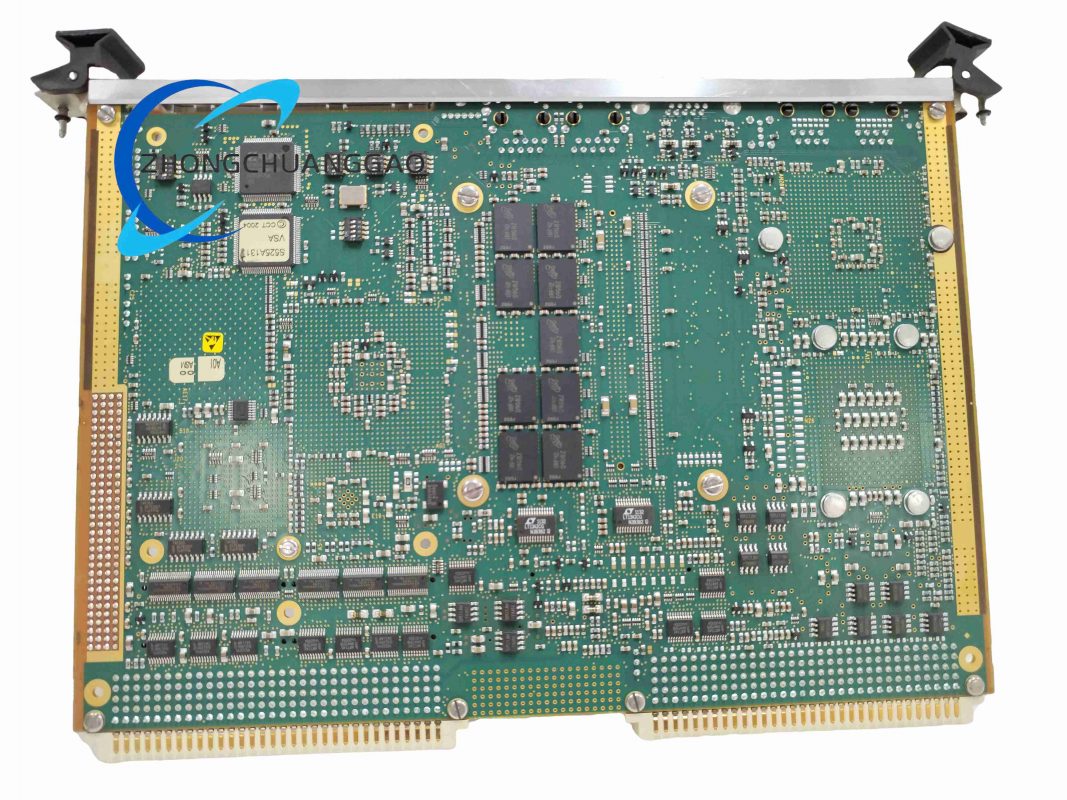
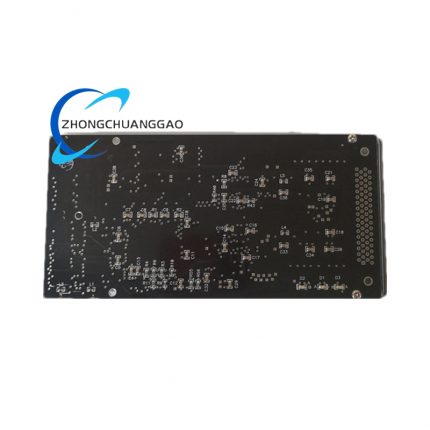
- Internal PCB: Multi-layer high-temperature FR4 printed circuit board with industrial automotive grade semiconductors
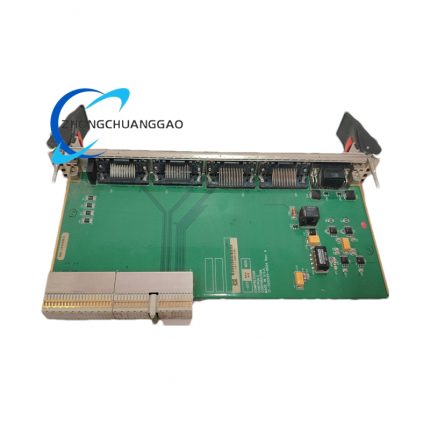
- Communication connectors: Gold-plated D-Sub and RJ45 shielded connectors for noise immunity
- Terminal blocks: Glass-filled PA66 flame retardant thermoplastic with spring screw clamping terminals
- Passive cooling components: Integrated aluminum heat sink fins on processor power regulation circuit zones
Structural Characteristics
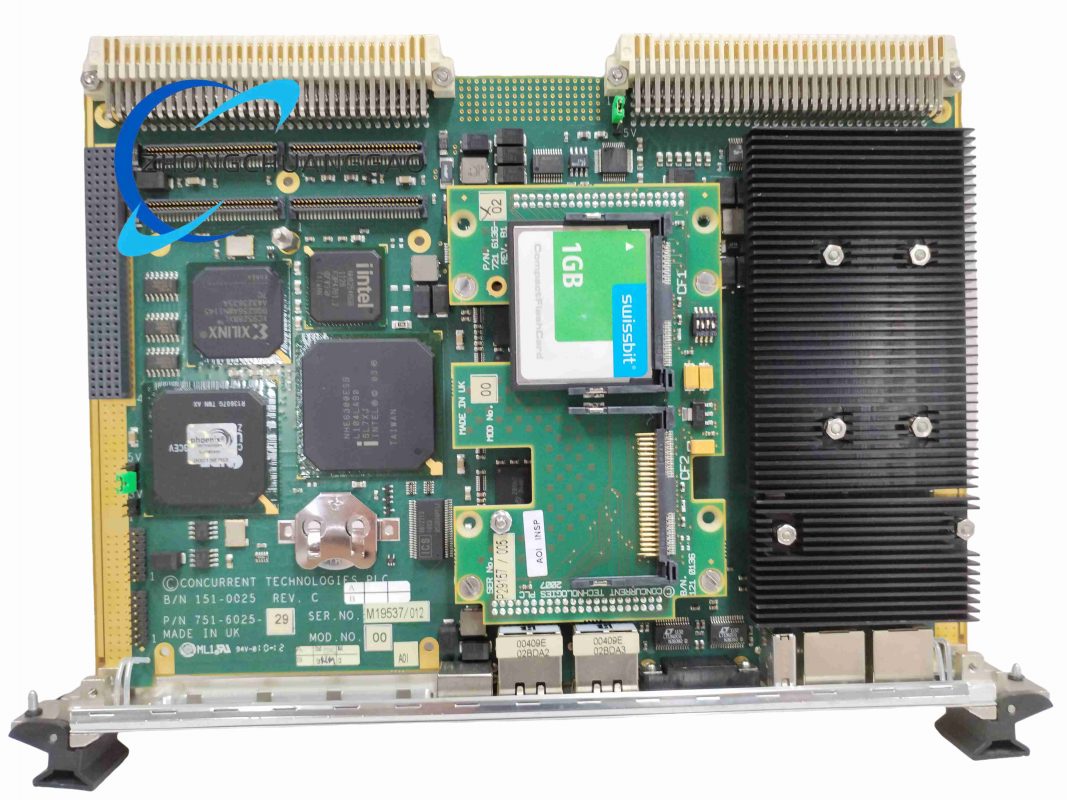
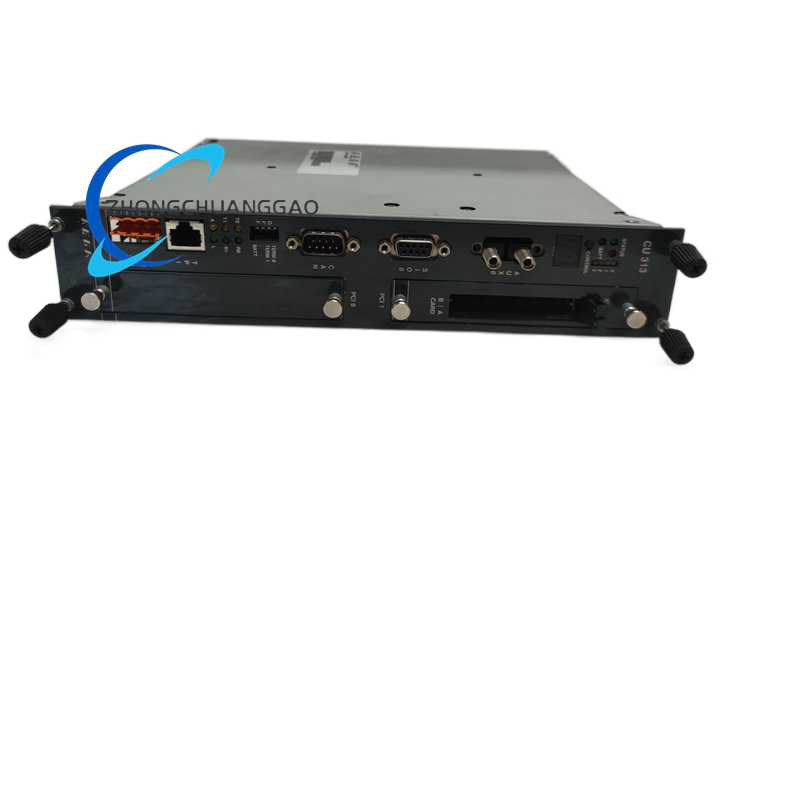
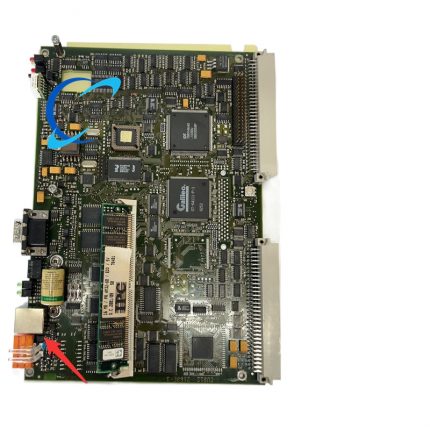
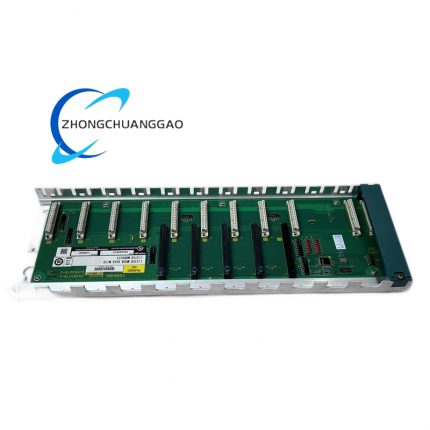
- Horizontal rack plug-in modular design compatible with KEBA standard CU series rack backplane
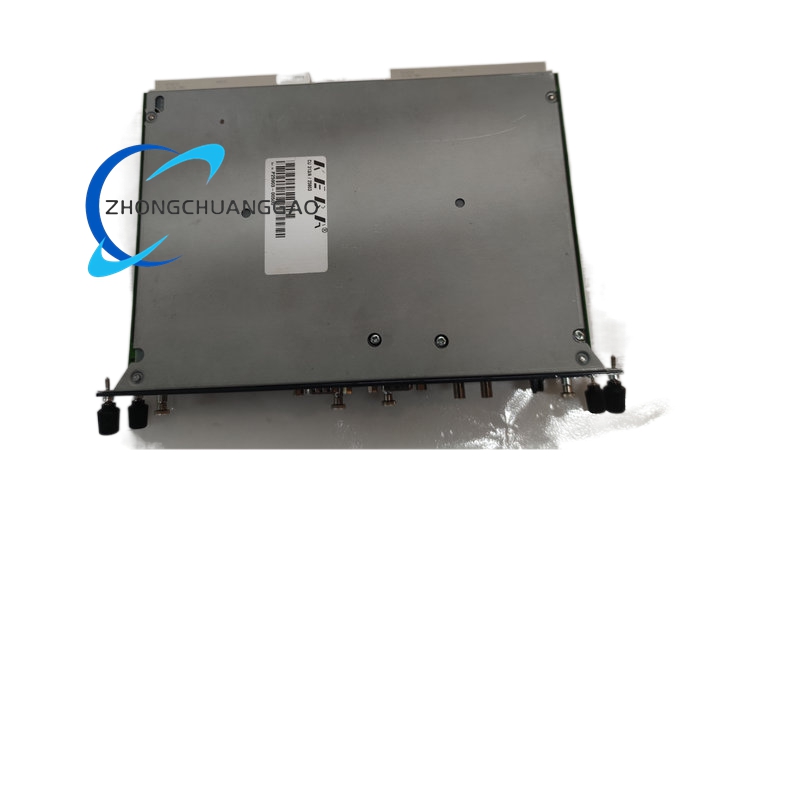
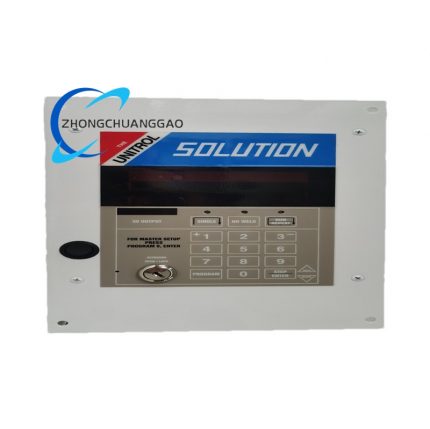
- Front panel assembly: Multi-digit status display LED segment array, USB programming port, SD card expansion slot
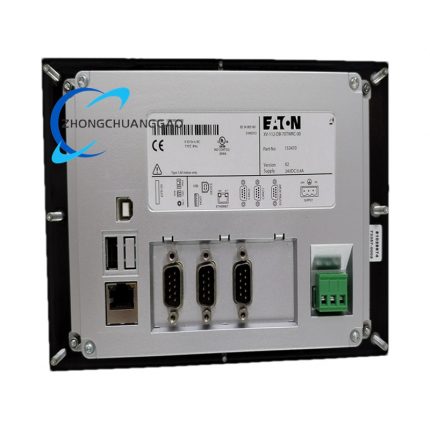
- Rear panel layout: Rack backplane edge connector, power supply terminal block, multi-channel D-Sub fieldbus communication ports
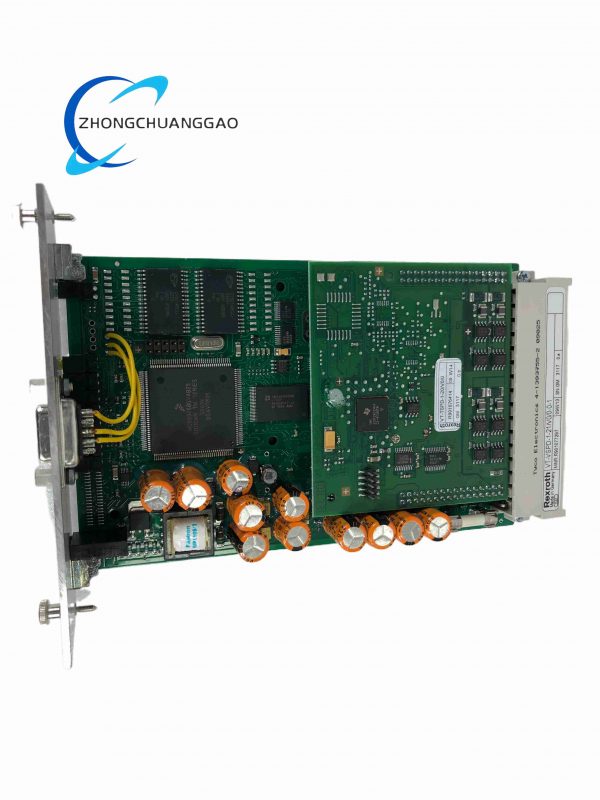
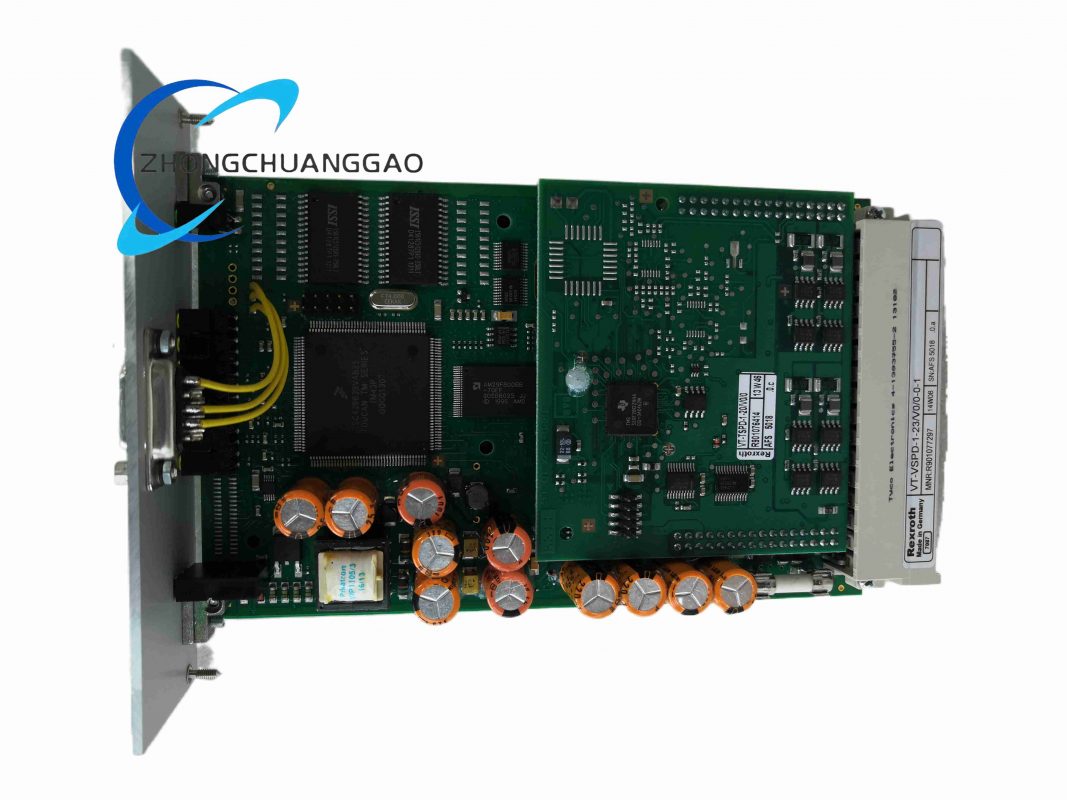
- Segmented internal PCB layout: Main processor zone, motion bus communication zone, digital I/O signal conditioning zone
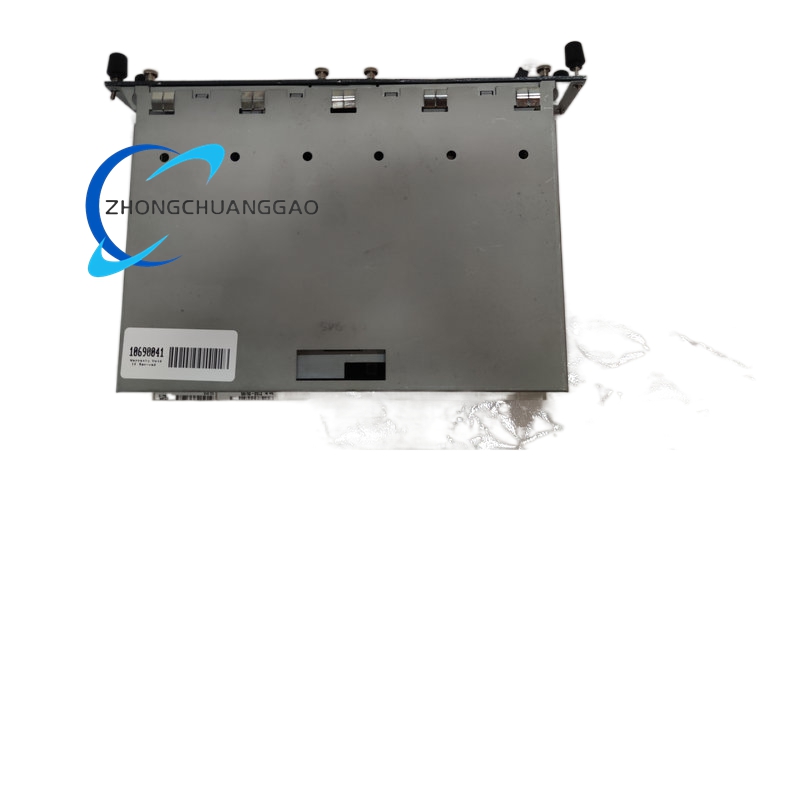
- Full metal electromagnetic shielding enclosure to eliminate high-frequency drive interference
- Dual side extraction lock levers for hot-swap rack module replacement without full system shutdown
- IP20 protection rating for installation inside industrial control cabinets only
Working Principle
- Regulated 24 V DC input power passes through surge, reverse polarity and overcurrent protection circuits to supply multi-core main processor and peripheral communication chips
- Real-time operating system schedules independent high-priority motion control task and low-priority HMI/process logging task threads
- Digital I/O terminals acquire discrete sensor feedback signals and output switching commands to machine actuators; expandable I/O extension modules increase total signal capacity
- CANopen and EtherCAT motion bus interfaces transmit target position, speed and torque commands to servo drive units, receiving encoder position feedback data in closed-loop cycles
- Electronic cam and gearbox algorithms calculate synchronous multi-axis motion trajectories with microsecond-level synchronisation precision
- Dual Ethernet ports separate machine local HMI communication and factory MES supervisory network data transmission to eliminate network bandwidth conflict
- RTC module timestamps all fault logs, recipe change events and production cycle data stored in non-volatile flash memory or external SD card storage
- Onboard watchdog circuit monitors processor operation; triggers safe machine stop interlock and fault alarm upon critical processing failure
Advantage Highlights
- Ultra-fast 350 ns per instruction execution speed enables high-speed multi-axis synchronous motion for precision automated machinery
- Expandable rack I/O architecture supports up to 128 digital signal points without additional external PLC hardware
- Pre-installed electronic cam and gantry synchronisation firmware drastically reduces custom motion programming development time
- Dual isolated Ethernet network ports achieve physical separation between machine local control network and factory upper-level supervisory network
- Full passive aluminum heat sink cooling eliminates fan failure risks for continuous 24/7 production operation
- Comprehensive built-in fault logging system enables rapid machine failure diagnosis and predictive maintenance scheduling
Applicable Industries
Injection molding plastic machinery, robotic pick-and-place automation systems, high-speed carton packaging lines, metal stamping press auxiliary control, textile loom multi-axis synchronisation, semiconductor wafer handling equipment, printing press register control systems
Installation Requirements
- Insert horizontally into standard KEBA CU series rack backplane slots, fully lock dual side extraction levers after seating
- Maintain minimum 35 mm vertical air gap between adjacent rack modules for convection heat dissipation
- Cabinet internal cooling air flow rate minimum 0.4 m/s to maintain operating temperature below +60 °C
- All motion bus and Ethernet communication wiring must use shielded twisted pair cables with single-point cabinet grounding
- Connect aluminum chassis protective earth terminal to cabinet main earth busbar with minimum 1.5 mm² copper wire
- Do not install in cabinet compartments containing corrosive chemical vapors or condensing high-humidity atmosphere
- SD card expansion slot rubber dust plug must remain sealed during normal production operation
Usage Notes
- Complete full program and recipe backup to external SD card before initiating firmware upgrade procedures
- Hot-swap module replacement only permitted during scheduled machine downtime to avoid transient motion axis disturbance
- Calibrate electronic cam synchronisation parameters after every mechanical machine rebuild or servo drive replacement
- Inspect rack backplane gold-plated edge connectors for oxidation every 12 months of continuous field operation
- Avoid routing motion bus cables parallel to high-power variable frequency drive power wiring without shielded metal conduit separation
- Replace RTC backup battery every 5 years to prevent production log timestamp loss during power outages
- Clean aluminum heat sink fin vents quarterly with dry compressed air to remove accumulated dust blocking thermal dissipation





Reviews
There are no reviews yet.