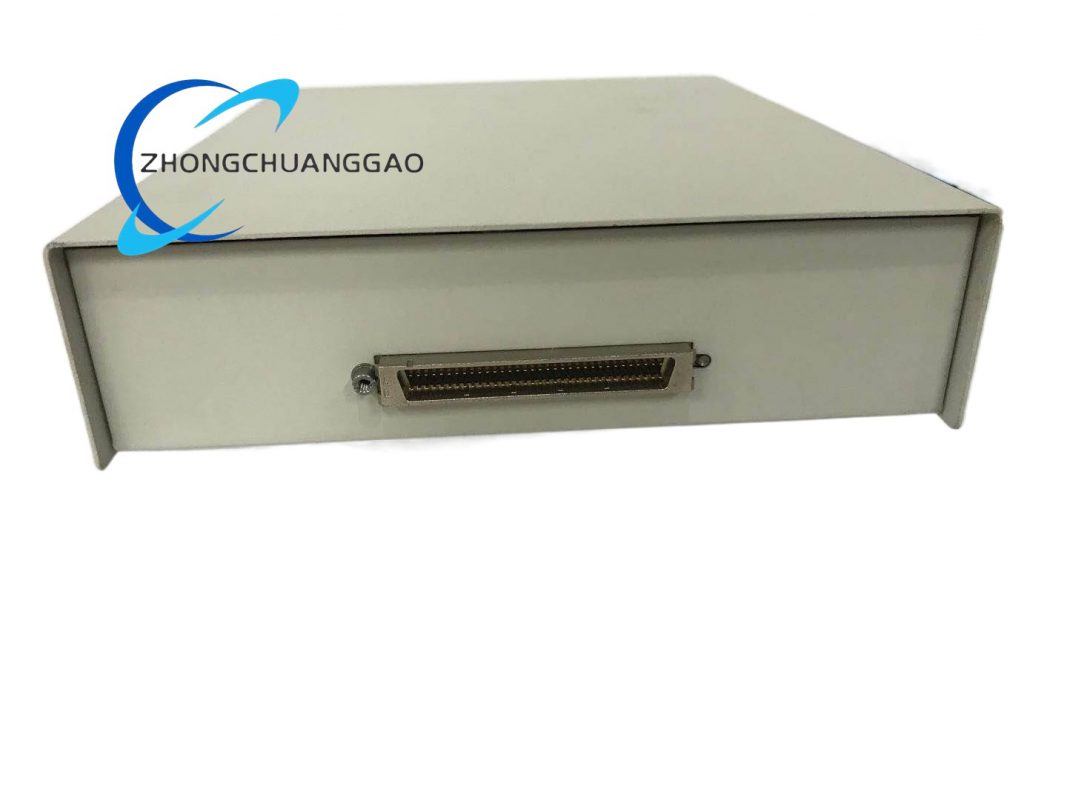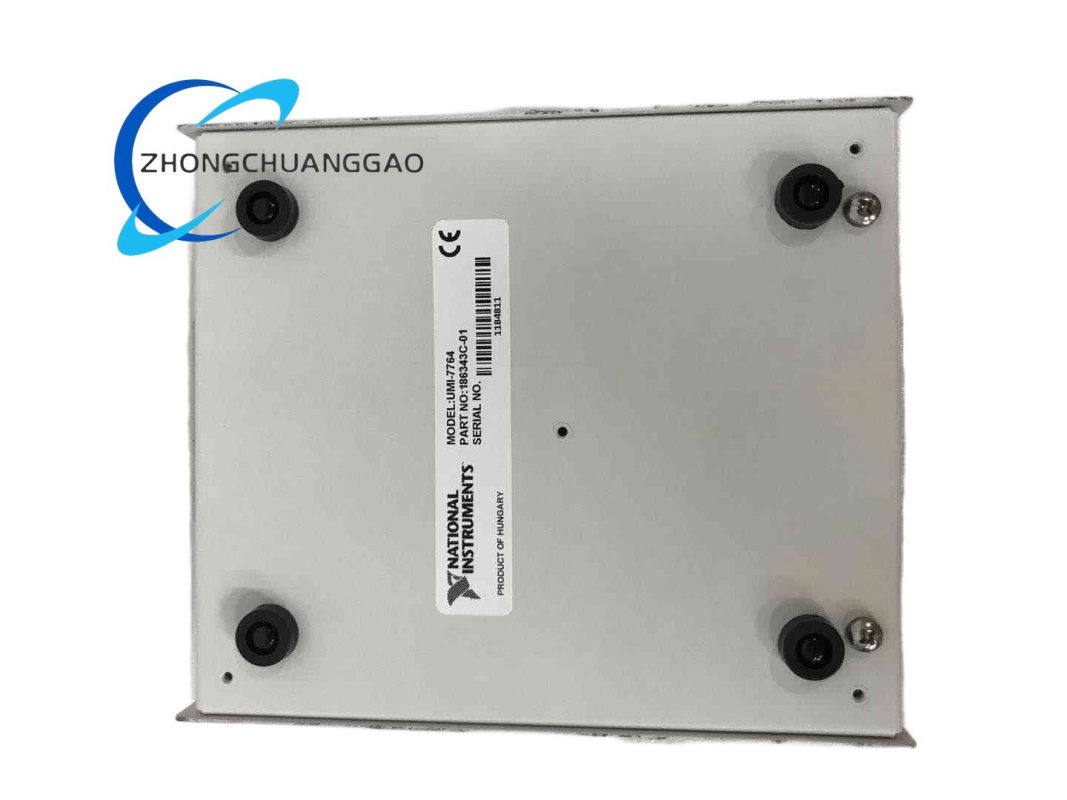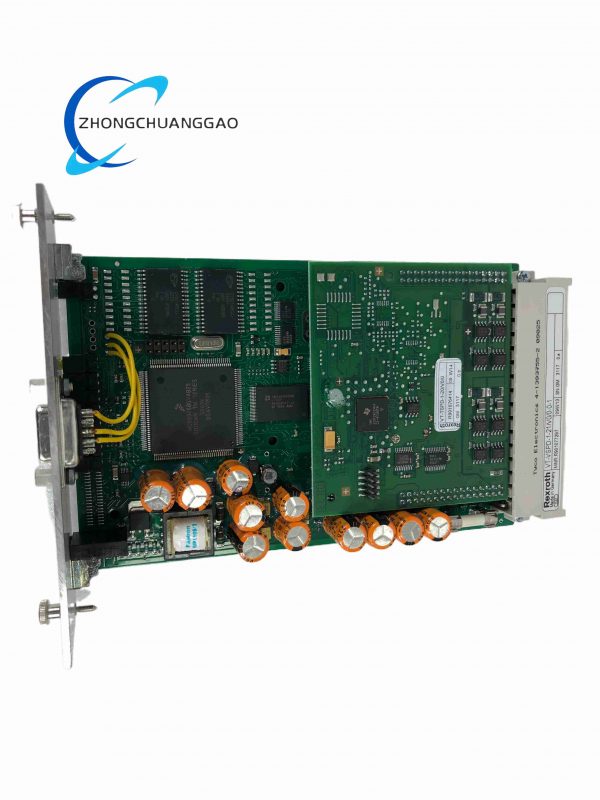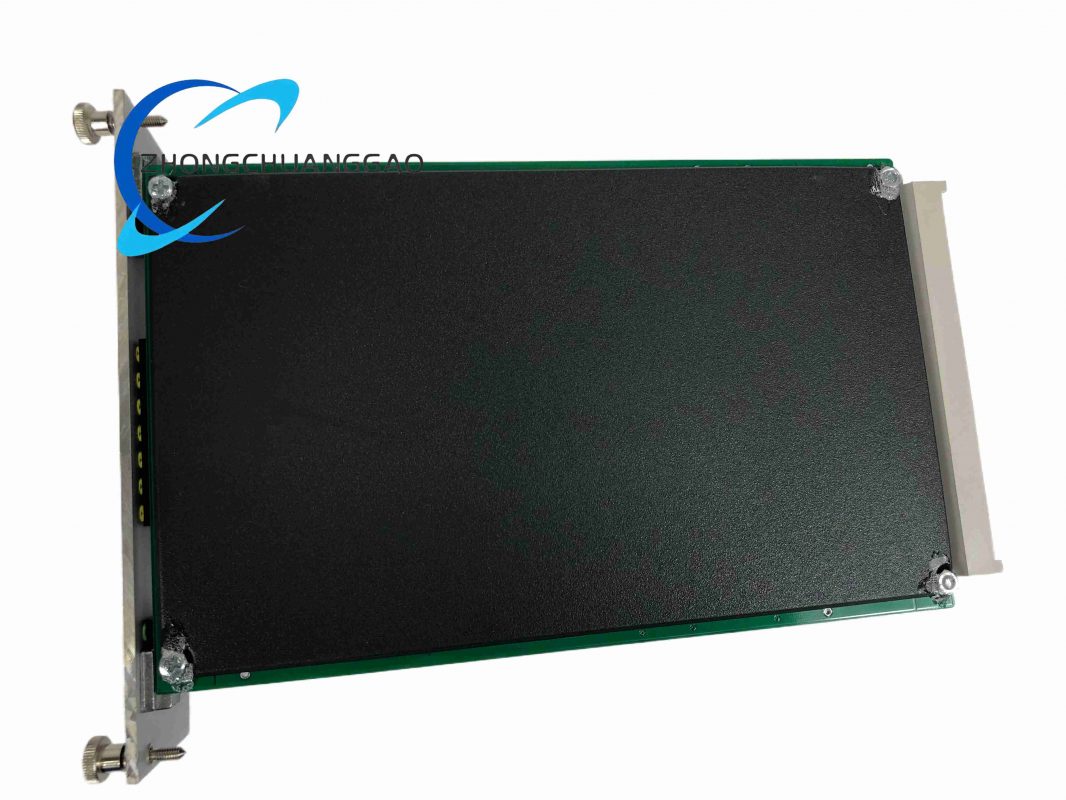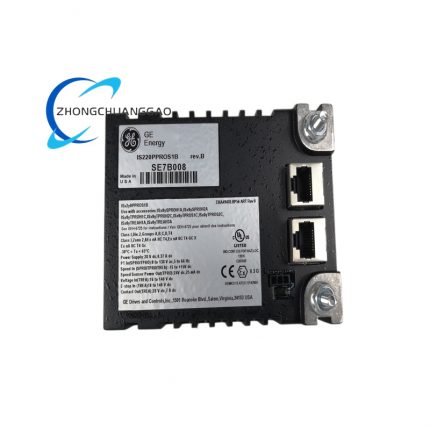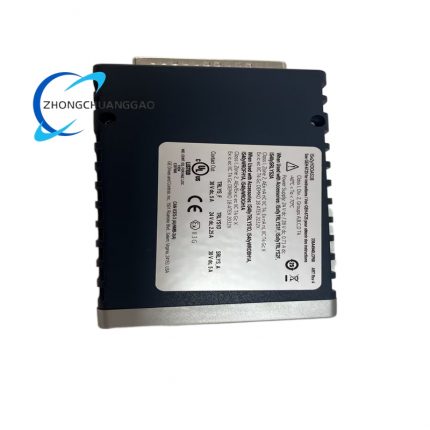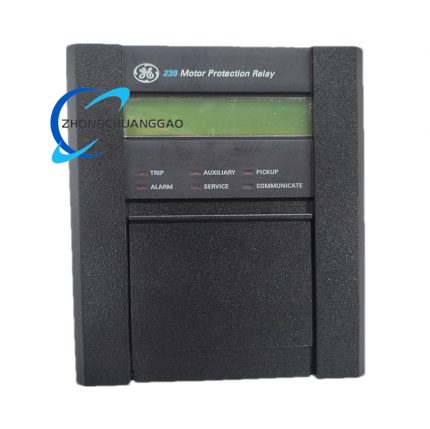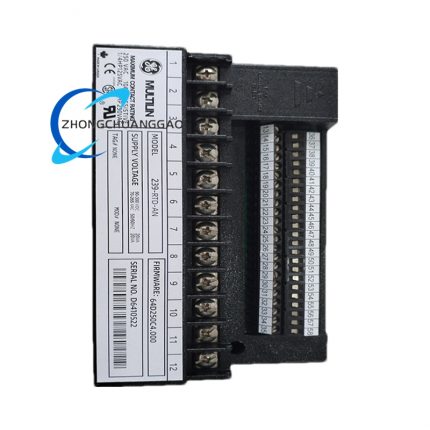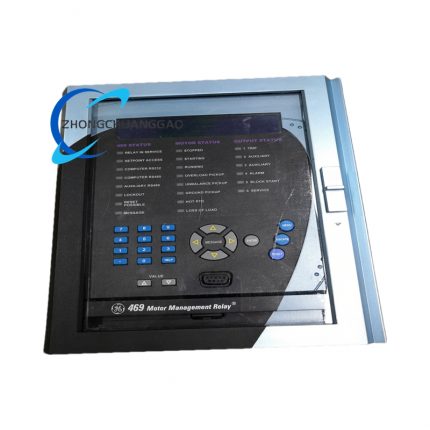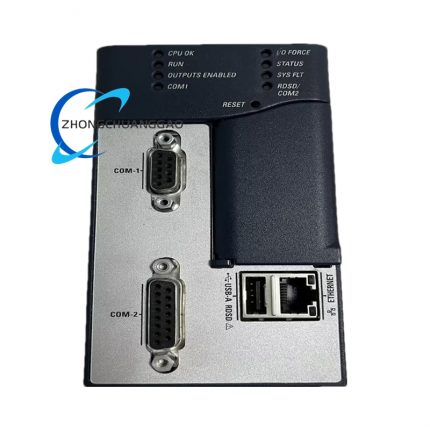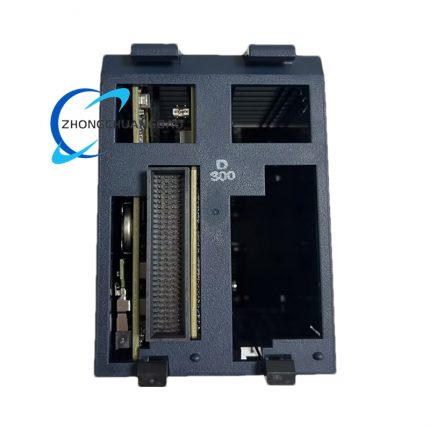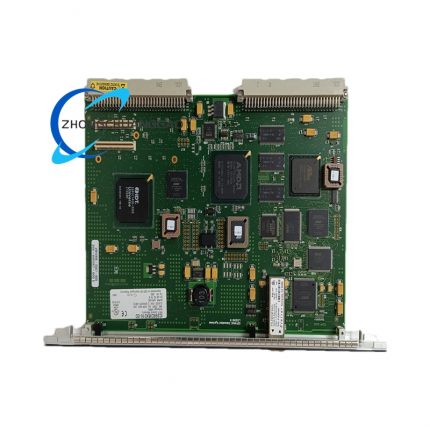

GE IS430SNUAH1A

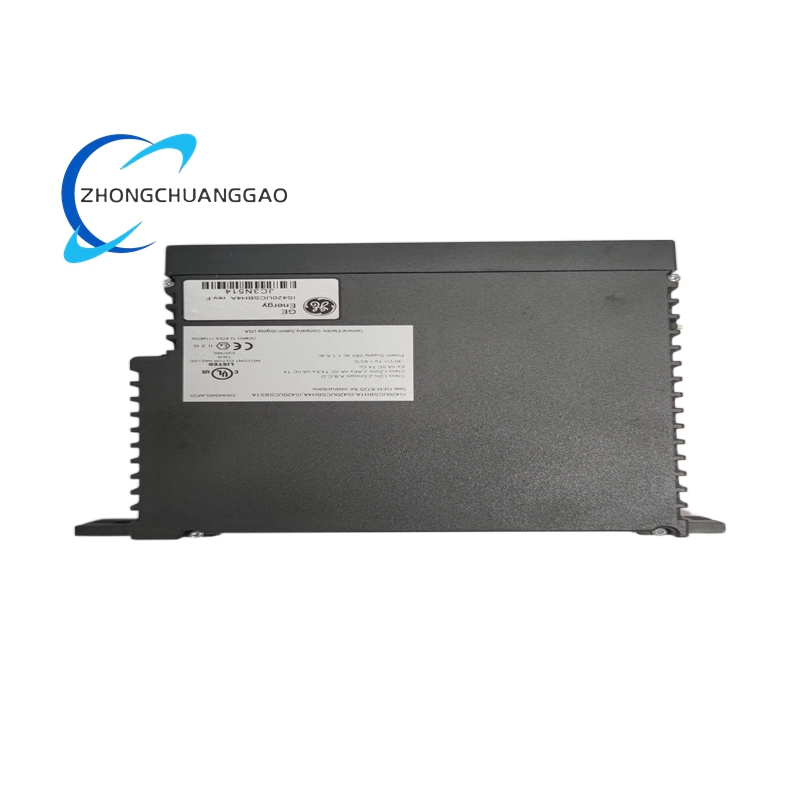
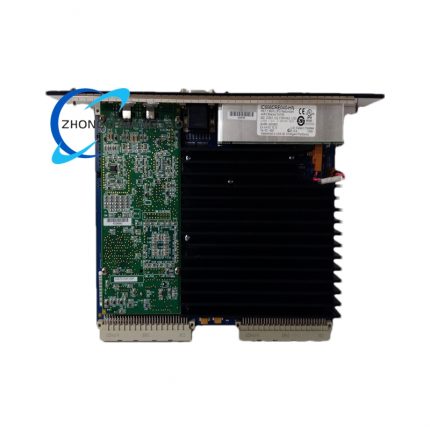
Product Name: GE IS430SNUAH1A — Analog Input Module (Mark VI Series)

Product Overview:
The GE IS430SNUAH1A is a 16-channel analog input module for the GE Mark VIe distributed control system. It accepts multiple signal types including 4–20 mA, 0–10 V, thermocouple, and RTD inputs for process monitoring and control.

Category:
Description

Technical Specifications:

  • Channels: 16 single-ended or 8 differential
  • Input Types: 4–20 mA, 0–20 mA, 0–10 V, 1–5 V, Thermocouple (J, K, T, E, N, R, S, B), RTD (Pt100, Pt1000, Cu50, Ni120)
  • Resolution: 16-bit A/D converter
  • Accuracy: ± 0.1% of full scale (current/voltage), ± 0.5°C (TC), ± 0.2°C (RTD)
  • Isolation: 500 VDC channel-to-channel, channel-to-bus
  • Sampling Rate: 10 ms per channel (all channels)
  • Communication: VMEbus backplane, SRTP protocol

Functional Features:

  • Software-configurable per channel (via ToolboxST)
  • Cold junction compensation (CJC) for thermocouple inputs
  • Burnout detection for 4–20 mA inputs (indicates open wire)
  • LED per channel for diagnostic status
  • Hot-swappable from VME backplane

Performance Parameters:

Parameter Value
Common Mode Rejection > 120 dB
Input Impedance (voltage) > 10 MΩ
Input Impedance (current) 250 Ω (with sense)
Operating Temperature 0°C to +60°C
MTBF > 200,000 hours
Safety Certification ATEX Zone 2 (optional)

Material Composition:

  • Module: Fiberglass Reinforced Polyester (FRP), UL 94 V-0
  • Connectors: DIN 41612, 96-pin VME
  • PCB: 6-layer FR-4, gold-plated contacts
  • Terminal Blocks: Phoenix Contact, UL listed, screw-clamp

Structural Features:

  • Standard VME64x form factor (3U × 160 mm)
  • Front-panel LED indicators per channel (green = OK, red = fault)
  • Removable terminal block for field wiring
  • Keying notch prevents incorrect insertion

Working Principle:
Each channel uses a multiplexer to select the input signal, which is then conditioned (filtered, amplified, linearized) before being digitized by a 16-bit sigma-delta A/D converter. The digital value is transmitted via the VME backplane to the CPU module. For thermocouple inputs, the CJC sensor measures the terminal block temperature and the firmware applies the NIST polynomial to convert mV to temperature.

Key Advantages:

  • 16-bit resolution provides 0.0015% FS accuracy — sufficient for all power plant process signals
  • Universal input capability eliminates need for multiple module types
  • Hot-swap capability enables online replacement without system shutdown

Applicable Industries: Power generation, oil & gas, water treatment, pulp & paper, mining

Installation Requirements:

  • Insert into VME backplane slot with correct keying alignment
  • Terminate shields at one end only (usually at the module)
  • Verify input range configuration in ToolboxST before commissioning
  • Cable length: max 300 m for 4–20 mA (250 Ω loop resistance)

Usage Notes:

  • Calibrate annually using GE ToolboxST calibration routine
  • Check terminal block torque (0.5 N·m) quarterly
  • Replace module if any channel drifts beyond ± 0.2% of full scale
Reviews (0)

Reviews

There are no reviews yet.

Be the first to review “GE IS430SNUAH1A”

Your email address will not be published. Required fields are marked *

Shipping and Delivery

MAECENAS IACULIS

Vestibulum curae torquent diam diam commodo parturient penatibus nunc dui adipiscing convallis bulum parturient suspendisse parturient a.Parturient in parturient scelerisque nibh lectus quam a natoque adipiscing a vestibulum hendrerit et pharetra fames nunc natoque dui.

ADIPISCING CONVALLIS BULUM

  • Vestibulum penatibus nunc dui adipiscing convallis bulum parturient suspendisse.
  • Abitur parturient praesent lectus quam a natoque adipiscing a vestibulum hendre.
  • Diam parturient dictumst parturient scelerisque nibh lectus.

Scelerisque adipiscing bibendum sem vestibulum et in a a a purus lectus faucibus lobortis tincidunt purus lectus nisl class eros.Condimentum a et ullamcorper dictumst mus et tristique elementum nam inceptos hac parturient scelerisque vestibulum amet elit ut volutpat.