Technical Specifications
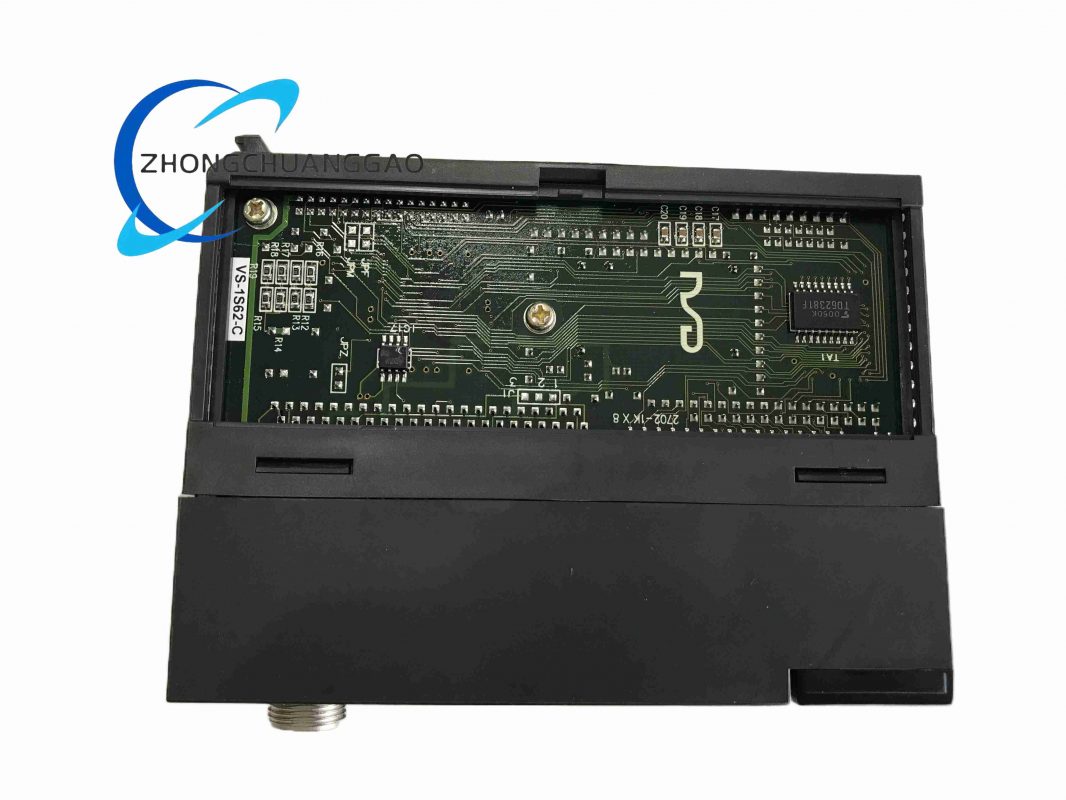
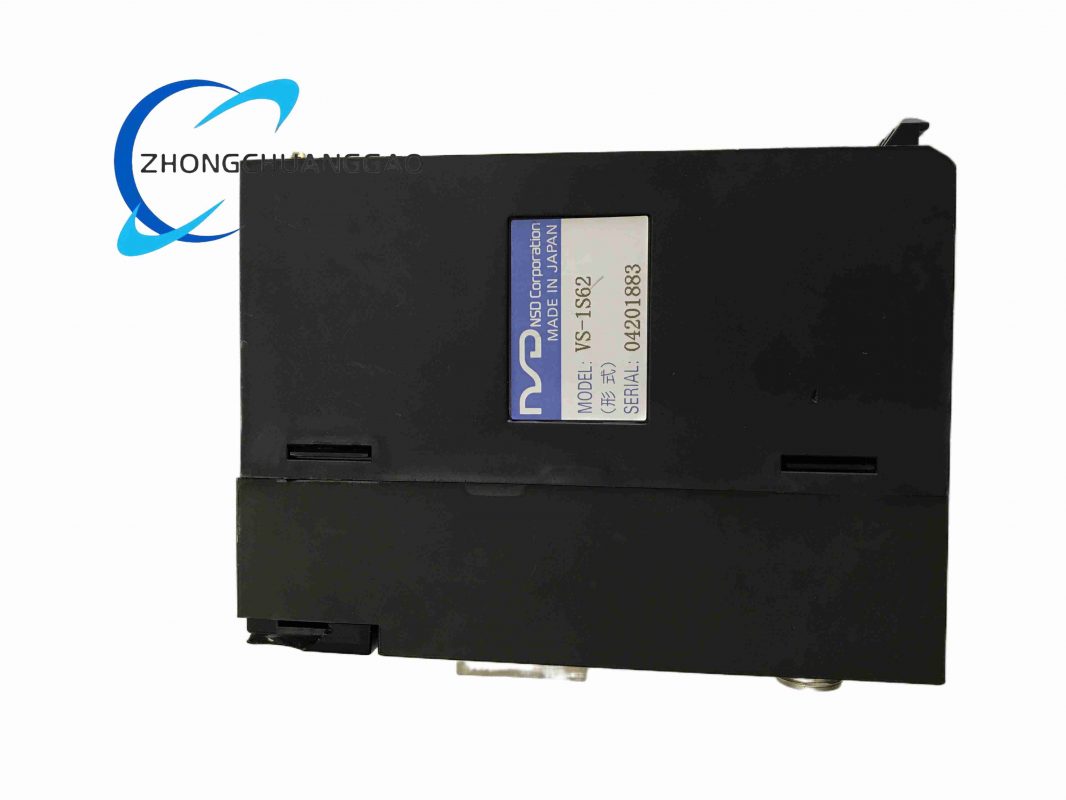
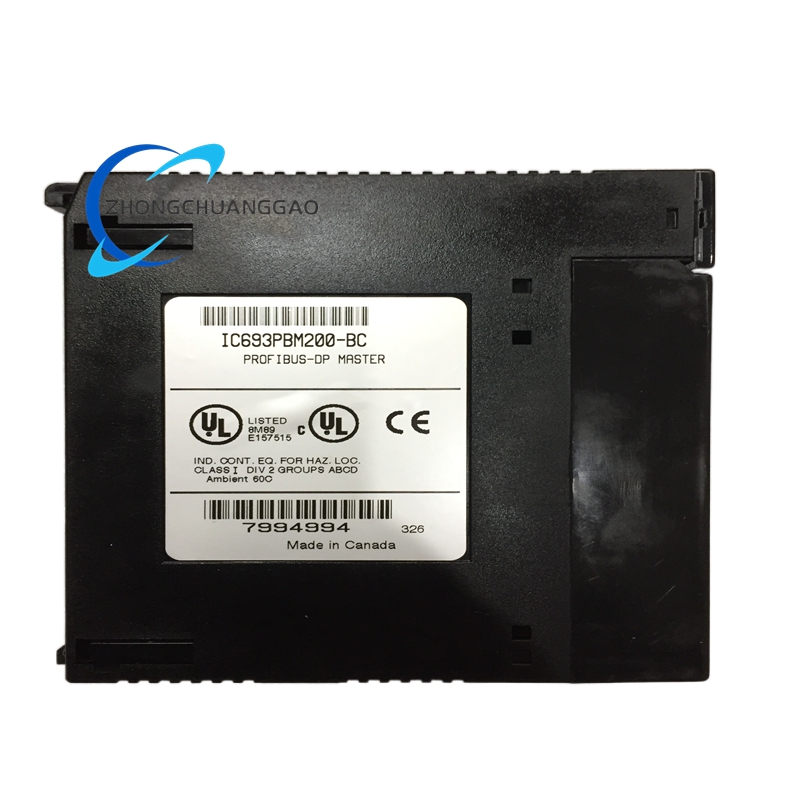
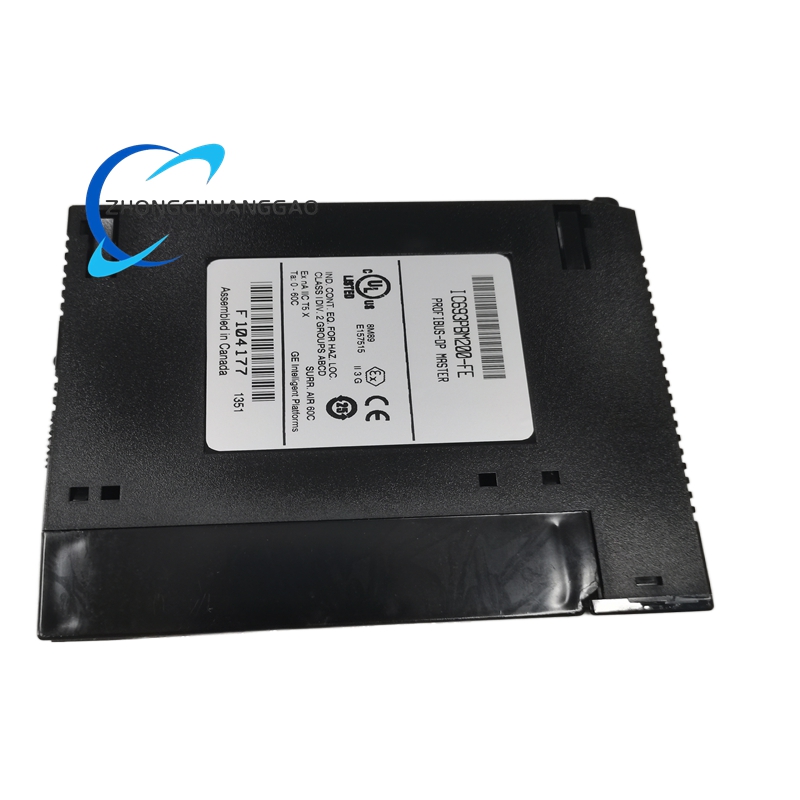
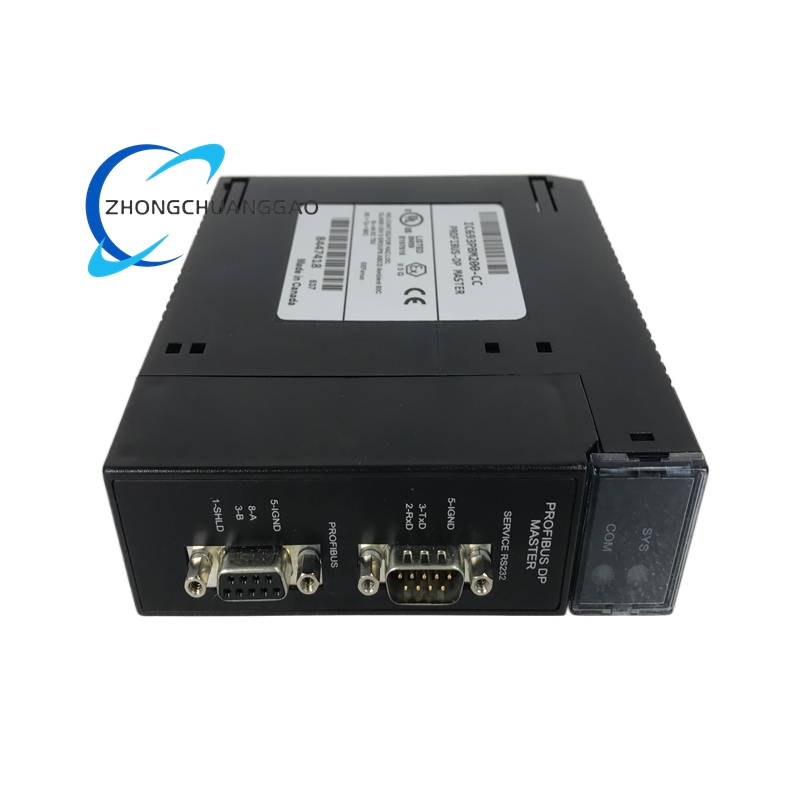
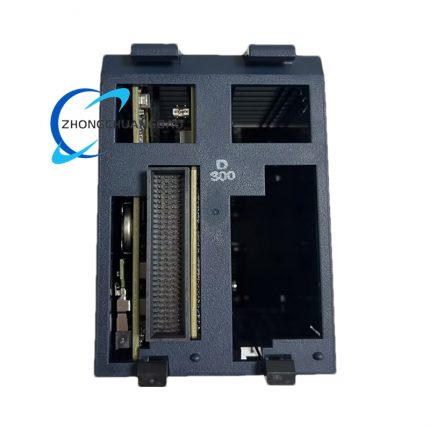
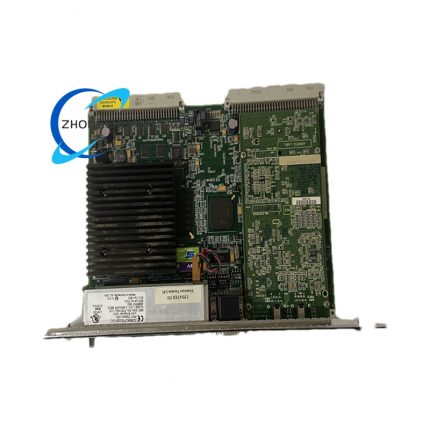
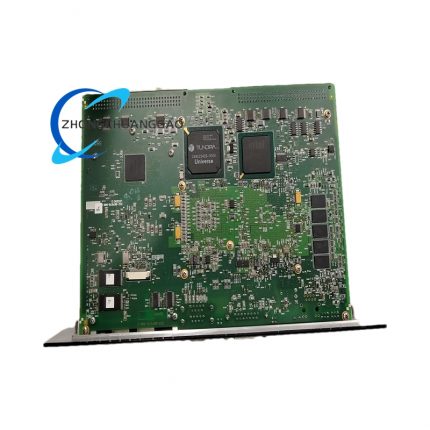
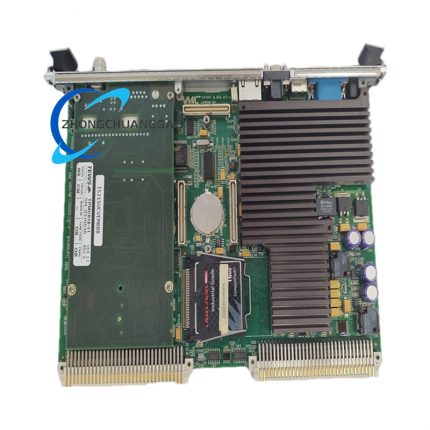
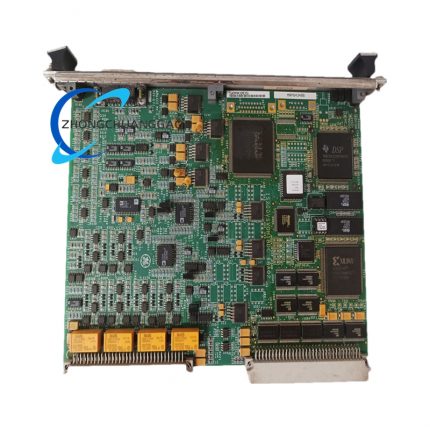
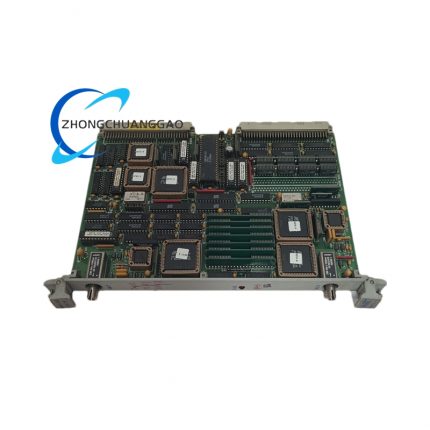
Product Type: PROFIBUS-DP Master Module
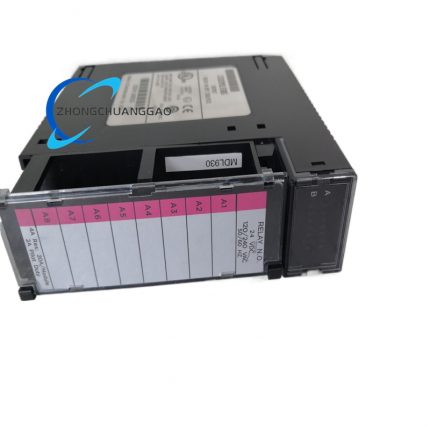
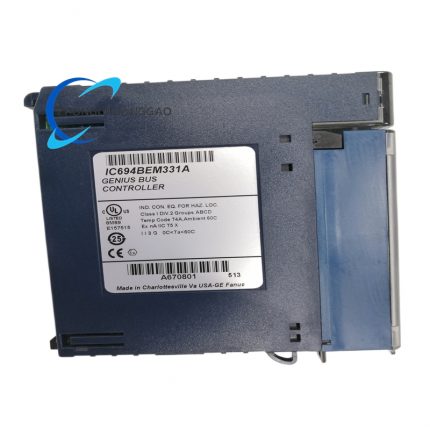
Compatible System: GE Fanuc Series 90-30 PLC
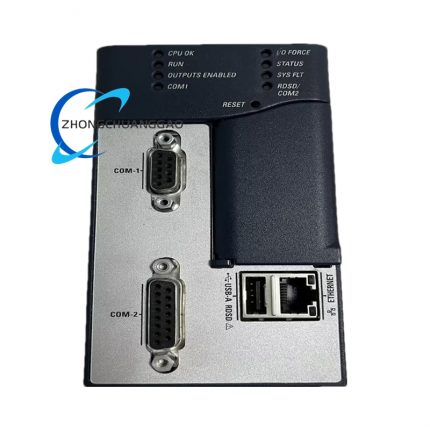
Communication Ports: One RS-485 PROFIBUS port (DB-9 female, PROFIBUS-DP); One RS-232 service port (DB-9 male)
Baud Rates: 9.6k, 19.2k, 93.75k, 187.5k, 500k, 1.5M, 3M, 6M, 12M baud — fully automatic recognition
Maximum DP Slaves: 125 slaves
Data Capacity per Slave: 244 bytes input and 244 bytes output
Total Data Exchange Limit: 3,972 bytes input and 3,972 bytes output
Backplane Current Consumption: 450 mA at 5 VDC (typical)
Isolation Voltage: 1500 Vrms (field-to-logic)
Operating Temperature: 0°C to 60°C
Storage Temperature: −40°C to +85°C
Relative Humidity: 5% to 95%, non-condensing
Configuration Software: Proficy Machine Edition Logic Developer version 2.6 or later
CPU Firmware Requirement: Version 8.00 or later
Mounting: Single slot in any Series 90-30 baseplate except slot 1
LED Indicators: PROFIBUS-compliant COM and SYS status LEDs
Bus Topology: Daisy-chain with 220 Ω termination resistor at both network ends
Key Features
Full-Rate Automatic Recognition: Automatically identifies all standard baud rates from 9.6k to 12M baud without DIP switch settings, reducing field commissioning time.
High-Density Slave Connectivity: Supports up to 125 PROFIBUS-DP slave devices on a single network, enabling large-scale distributed I/O architectures.
Substantial Data Capacity: Each slave receives 244 bytes of input data and sends 244 bytes of output data per cycle. The bus cycle achieves 1 ms at 12M baud with 32 slaves, meeting turbine protection refresh requirements under 10 ms.
Sync and Freeze Modes: Supports PROFIBUS Sync and Freeze commands for synchronized output updating and input capturing across multiple slaves.
Dual Diagnostic Capability: The RS-232 service port enables real-time reading of slave status, bus quality, and message counters. Front-panel COM and SYS LEDs provide visual indication for rapid bus fault localization.
Online Hot-Swap Support: Allows module replacement with the rack under power, with automatic configuration download within 3 seconds. Mean time to repair is under 3 minutes.
High Isolation and Reliability: 1500 Vrms field-to-logic isolation, 5g vibration tolerance, and 96-hour salt spray certification ensure reliable operation in coastal and harsh industrial environments.
Seamless System Integration: Shares variable tables directly with the CPU without additional protocol conversion. Supports GSD file import for plug-and-play connectivity with third-party slave devices.
Clear Mode Operation: When the PLC stops scanning I/O, the module enters Clear Mode and transmits zeroed data to all configured slaves. Output transmission resumes with the most recently supplied data when the PLC returns to Run or Stop-IOScan mode.
Application Scenarios
Manufacturing Production Lines: Connects distributed I/O, motor starters, and variable frequency drives on assembly lines. Coordinates up to 125 devices with 1 ms-level synchronization across robotic workstations and material handling systems.
Gas Turbine and Compressor Stations: Integrates GE Mark V remote I/O, Siemens MV drives, and ABB valve positioners into a unified PROFIBUS-DP ring network, reducing hardwiring by 70% and decreasing turbine trip rates.
Wind and Solar Power Generation: Centralizes turbine pitch, yaw, and converter control through DP bus, maintaining communication during extreme weather with redundant configurations. Reduces operations and maintenance costs by 40%.
Process Control Industries: Monitors and controls temperature, pressure, and flow transmitters in chemical, petrochemical, and oil refining applications using distributed PROFIBUS-DP instrumentation.
Water and Wastewater Treatment: Manages pumps, valves, and sensors across treatment plants through remote I/O stations connected via PROFIBUS-DP.
Building and Infrastructure: Integrates HVAC systems, tunnel ventilation, and railway signaling into centralized control networks, reducing energy consumption and fault response times.
Installation and Configuration Notes
The module installs in any I/O slot of a Series 90-30 baseplate except slot 1, which is reserved for the CPU. The DB-9 female PROFIBUS port faces downward, with bus wiring following red/green A-B line identification. A 220 Ω termination resistor is required at both ends of the network. Configuration is performed using Proficy Machine Edition Logic Developer software version 2.6 or later. GSD files for third-party slaves are imported through the configuration tool, with automatic I/O mapping assignment. The service port connects to a PC for online diagnostics via the DP Slave Diagnostics window, displaying slave status, message counters, and bus quality. Total data exchange between the CPU and module is limited to 3,972 bytes of input data and 3,972 bytes of output data. For migration projects from the HE693PBM101 module, the slave status area on the IC693PBM200 defaults to 128 points and arranges bits by bus address order.





Reviews
There are no reviews yet.