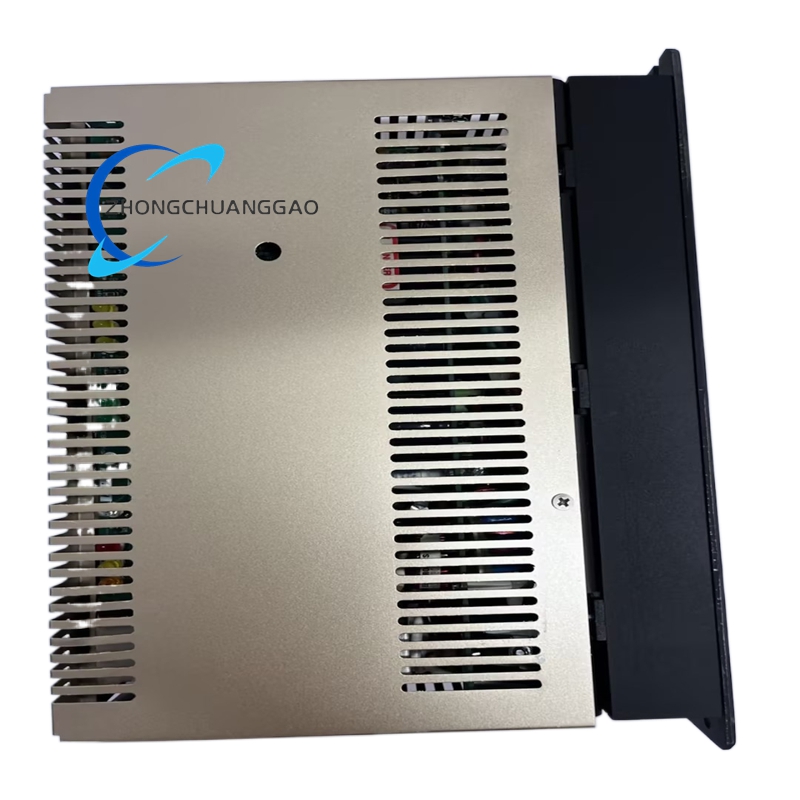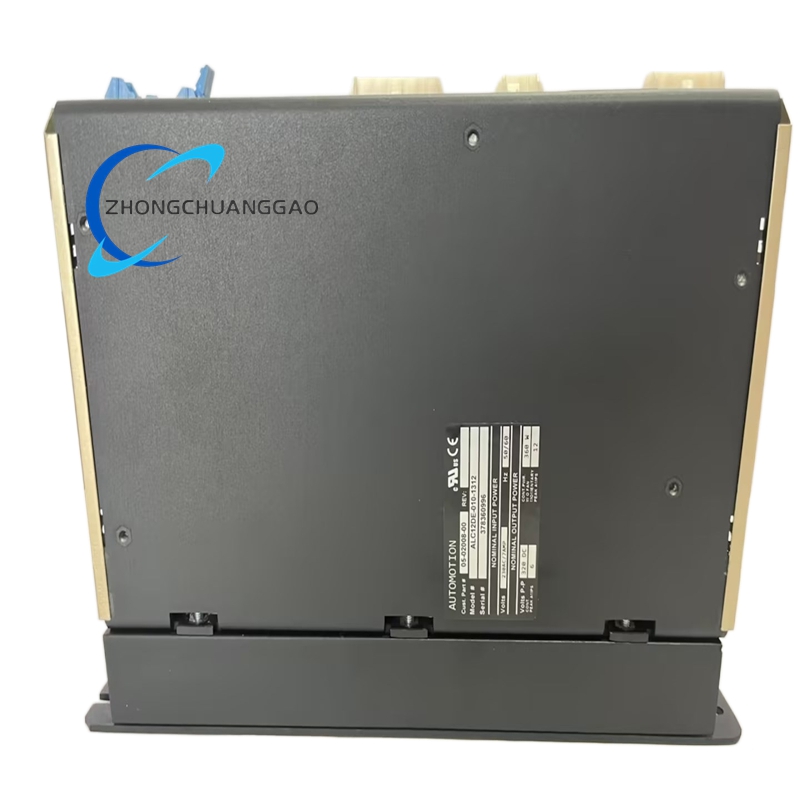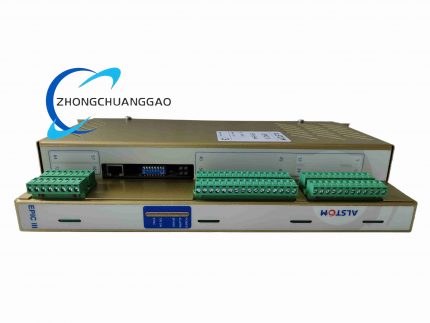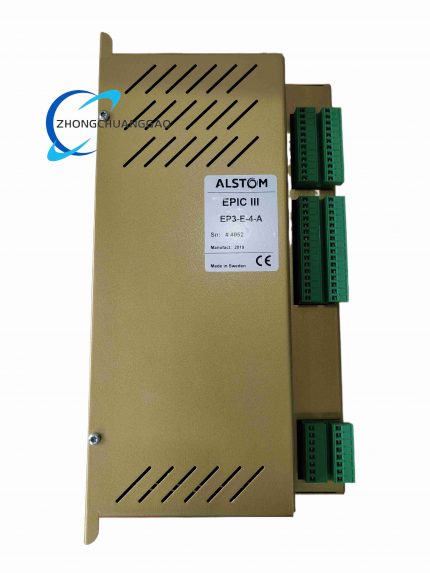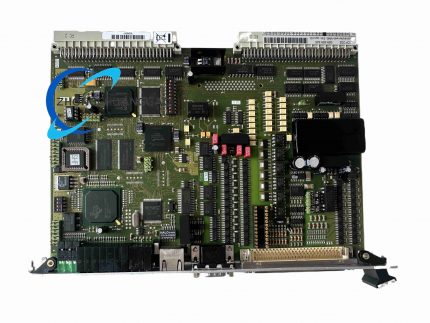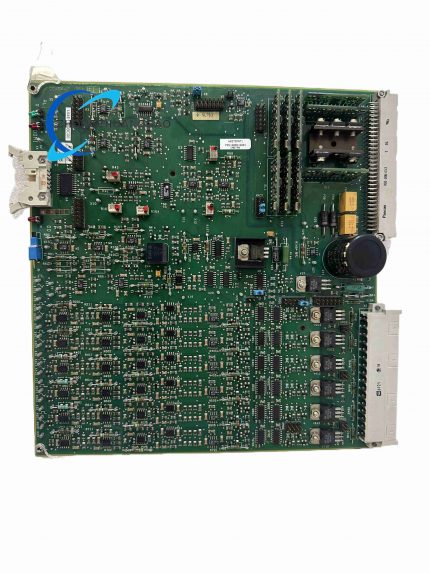

Core Technical Specifications
- Input Signal Channels: 3 independent analog setpoint input channels + 1 dedicated position feedback input channel
- Signal Processing Core: Pre-stage magnetic differential amplifier for deviation signal summation
- Main Power Input Rating: 220 V AC 50 Hz single-phase mains supply
- Thyristor Output Control: Dual bidirectional thyristor trigger circuits for forward/reverse motor rotation
- Deviation Signal Output Voltage Range: ±12 V DC differential control voltage
- Feedback Signal Impedance: 10 kΩ balanced differential input impedance
- Control Response Bandwidth: 0–100 Hz continuous adjustable gain bandwidth
- Operating Ambient Temperature: -10 °C to +55 °C
- Ingress Protection Rating: IP20 (cabinet indoor installation only)
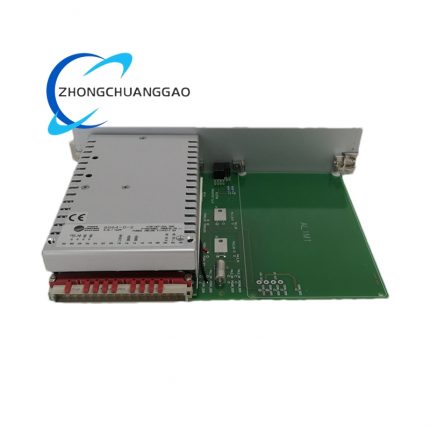
- Physical Dimensions: 160 mm (L) × 90 mm (W) × 65 mm (D)
- Net Weight: 0.72 kg
Functional Features
- Simultaneous summation of three independent setpoint signals and one position feedback signal for multi-variable regulation systems
- Bidirectional thyristor main circuit enabling seamless forward/reverse servo motor rotation control
- Adjustable proportional gain and dead-band compensation via front-panel potentiometers
- Built-in overcurrent and short-circuit protection for servo motor winding circuits
- Hardware balance detection circuit automatically stabilizes actuator steady-state hold position
Working Principle
Multi-channel analog setpoint signals and position feedback signals enter the pre-stage magnetic differential amplifier, which computes the total deviation voltage between target position and actual actuator position. The deviation voltage drives two independent trigger pulse generators that fire the corresponding thyristor main circuit to supply 220 V AC power to the two-phase servo motor winding. When setpoint and feedback signals achieve full balance, deviation voltage reduces to zero, pulse generation ceases, and the servo motor locks at fixed position.
Material & Structural Characteristics
- Amplifier magnetic core: High-permeability silicon steel laminated magnetic shield
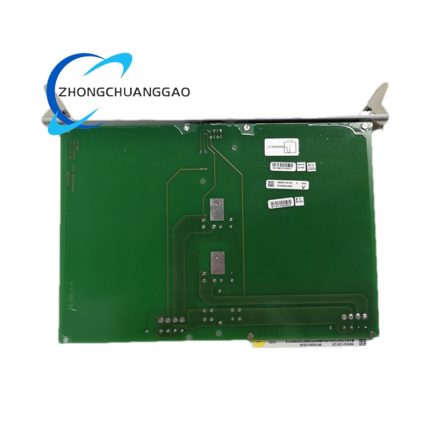
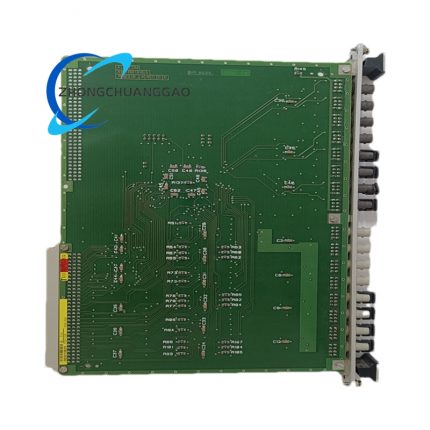
- Power circuit substrate: High-temperature ceramic insulated circuit board
- Outer housing: Cold-rolled steel sheet with anti-rust gray electrostatic coating
- Adjustment interface: Sealed rotary potentiometers with dust-proof silicone rubber caps
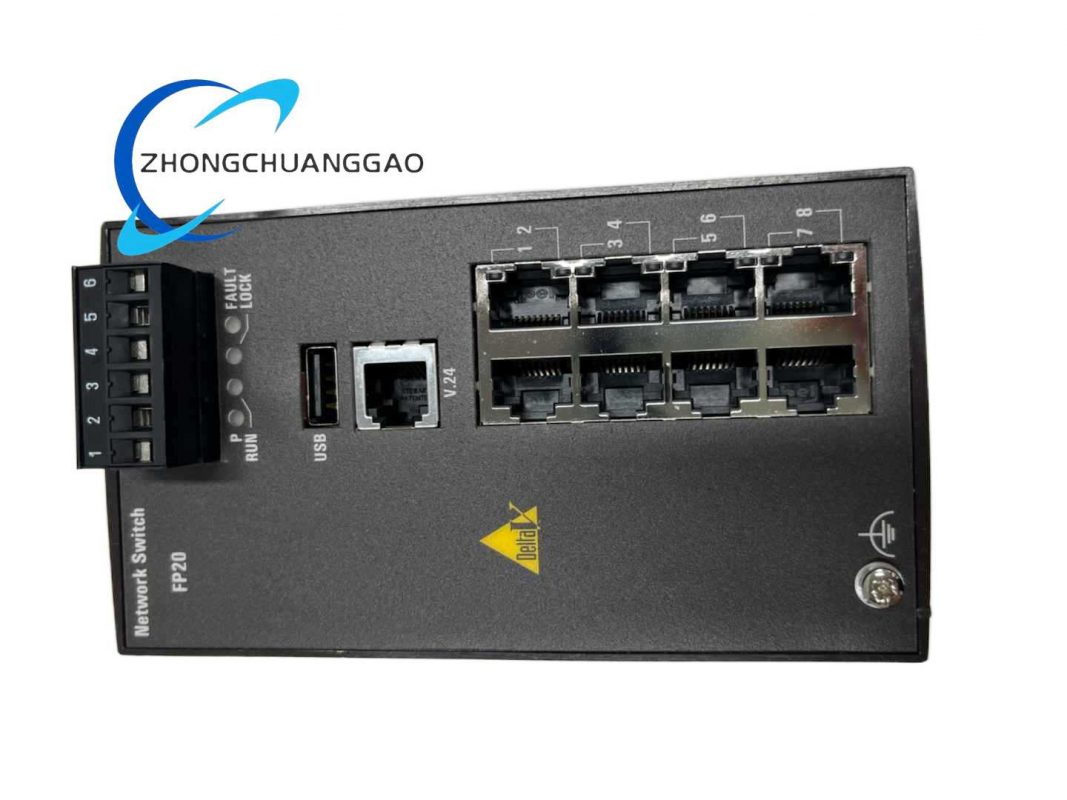
- Wiring terminals: Screw-type brass terminal blocks with anti-loosening spring washers
Core Advantages & Highlights
- Multi-input signal summation eliminates external signal mixing hardware for complex regulation loops
- Magnetic pre-amplifier provides exceptional common-mode noise rejection in industrial EMC environments
- Integrated thyristor power stage reduces overall control cabinet component count
- Front-panel accessible gain and dead-band adjustment without cabinet disassembly
- Stable zero-deviation hold positioning without continuous power draw under static load
Applicable Industries
Power plant turbine governor valve positioning, industrial boiler damper actuators, petrochemical pipeline pressure regulating valves, metallurgical rolling mill tension control actuators, water treatment flow control baffle positioning
Installation Mandatory Requirements
- Mount vertically inside control cabinet with minimum 30 mm top/bottom ventilation clearance
- Separate 220 V AC power wiring from low-level analog signal wiring by minimum 25 cm distance
- Install external mains surge protection device on the amplifier’s AC power input terminal
- All analog signal wiring must use shielded twisted-pair cable with single-point shield grounding
- Calibrate gain and dead-band potentiometers after full wiring completion before power-up
Operation & Maintenance Precautions
- Do not operate without matching two-phase servo motor load connected to output terminals
- Clean internal magnetic amplifier core dust accumulation every 18 months of continuous operation
- Avoid ambient humidity exceeding 80% non-condensing to prevent internal circuit corrosion
- Disconnect AC mains power before adjusting front-panel calibration potentiometers
- Replace internal thyristor components immediately upon persistent overcurrent fault indication
Reviews
There are no reviews yet.