Technical Specifications
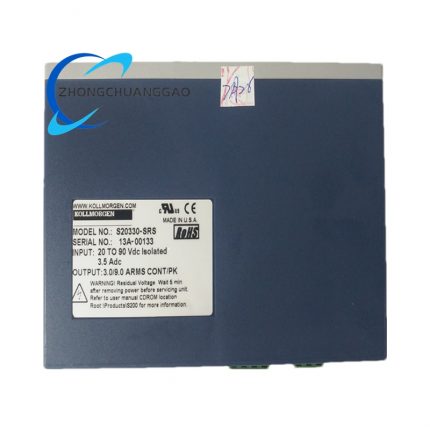
Manufacturer: Kollmorgen.
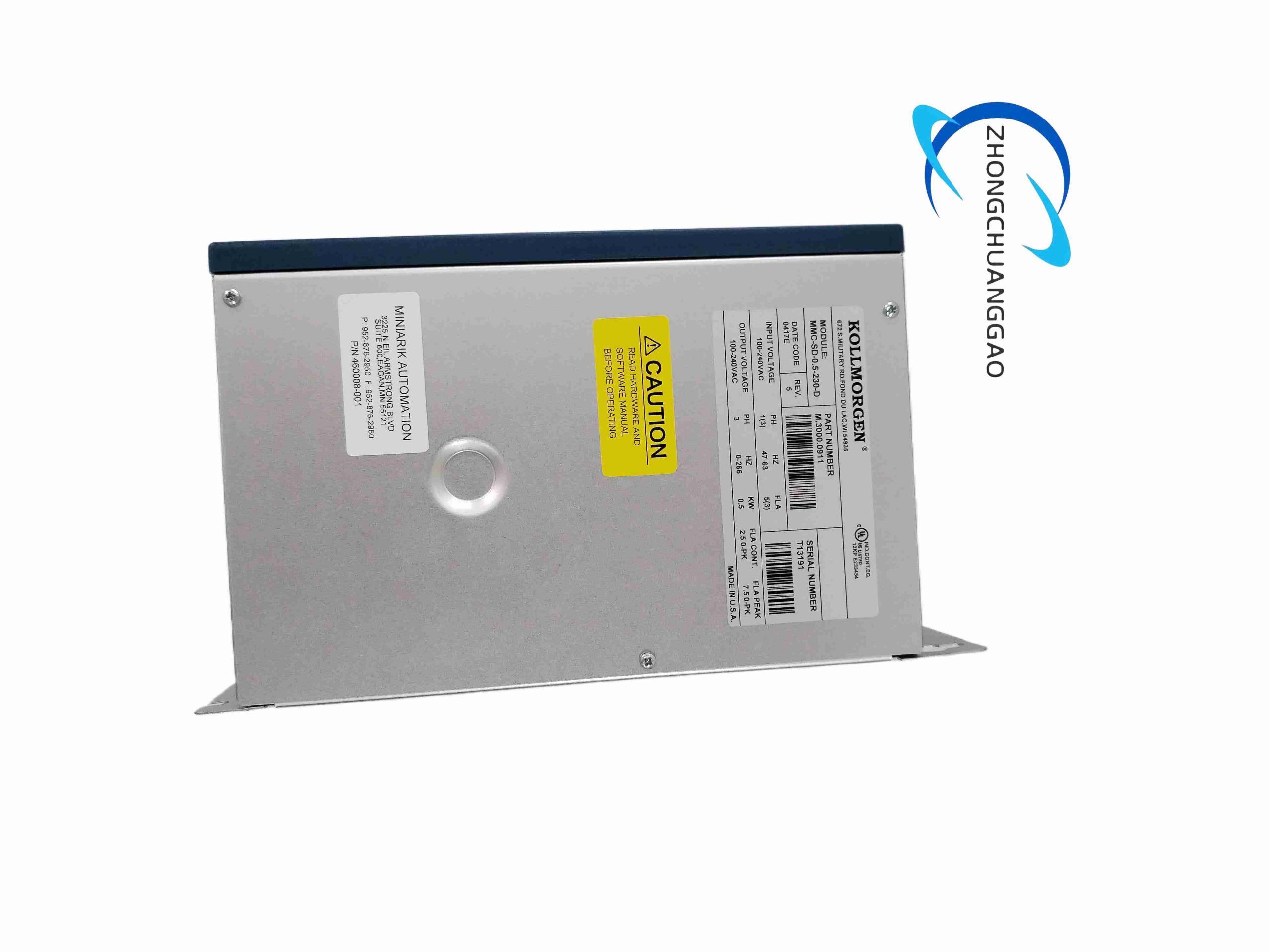
Model: MMC-SD-20-230-D, also listed as MMC-SD-2.0-230-D.
Rated power: 2.0 kW.
AC input: 230 V class; supplier sources list 100-240 V AC, 47-63 Hz for broad 230 V models, while some 230 V single-phase manuals apply.
Continuous output current: 10 A RMS per phase in standard Smart Drive listings.
Peak output current: published sources vary by firmware and model sheet; confirm the exact peak rating from the unit manual before overload design.
Control power: 24 V DC independent control supply in several listings; some configurations list 20-30 V DC logic or control input.
Processor: 32-bit RISC with digital coprocessor in Smart Drive descriptions.
Feedback: incremental encoder as secondary feedback in standard listings; resolver, EnDat, BiSS, Hiperface and other options according to drive option and manual.
Communication: PicPro serial/commissioning port; digital link or network options depend on the -D configuration.
I/O: assignable digital inputs, four 24 V DC optically isolated outputs, one brake-control relay output.
Software: PicPro for motion, logic, process, communication and data management.
Auto functions: automatic inertia detection and auto-tuning.
Protection: overload, overtemperature and short-circuit protection according to drive configuration.
Mounting: panel or cabinet mounting, vertical orientation recommended for convection.
Ingress/class: IP20 in standard drive enclosure listings.
Functional Features
Integrated DSP or RISC control executes current, velocity and position loops.
PicPro single-point programming handles motion, I/O, logic and communication.
Automatic inertia estimation and auto-tuning reduce manual commissioning.
Independent 24 V DC control power maintains control circuits during AC removal in applicable configurations.
Brake relay output controls motor holding brake.
Optical isolation protects digital I/O from field noise.
Multiple motor-family support simplifies replacement and scaling.
Application Scenarios
Packaging machines, labeling systems, pick-and-place cells, conveyor metering, assembly fixtures, textile feeders, semiconductor handling equipment, CNC auxiliary axes and robotic subsystems requiring 2 kW-class servo control.
Performance Parameters
The drive delivers 2.0 kW continuous power with 10 A RMS continuous output on 230 V class input. Current loop, velocity loop and position loop execution provide tight torque, speed and accuracy regulation. Auto-tuning adapts gain sets to identified load inertia. Brake output and 24 V control supply support controlled stopping and safe restart when configured according to the application.
Material Composition
Sheet-metal or aluminum drive chassis, printed circuit boards, IGBT power stage, DC-bus capacitors, cooling fan or convection surfaces depending on model, connectors, optical isolators, firmware memory.
Structural Characteristics
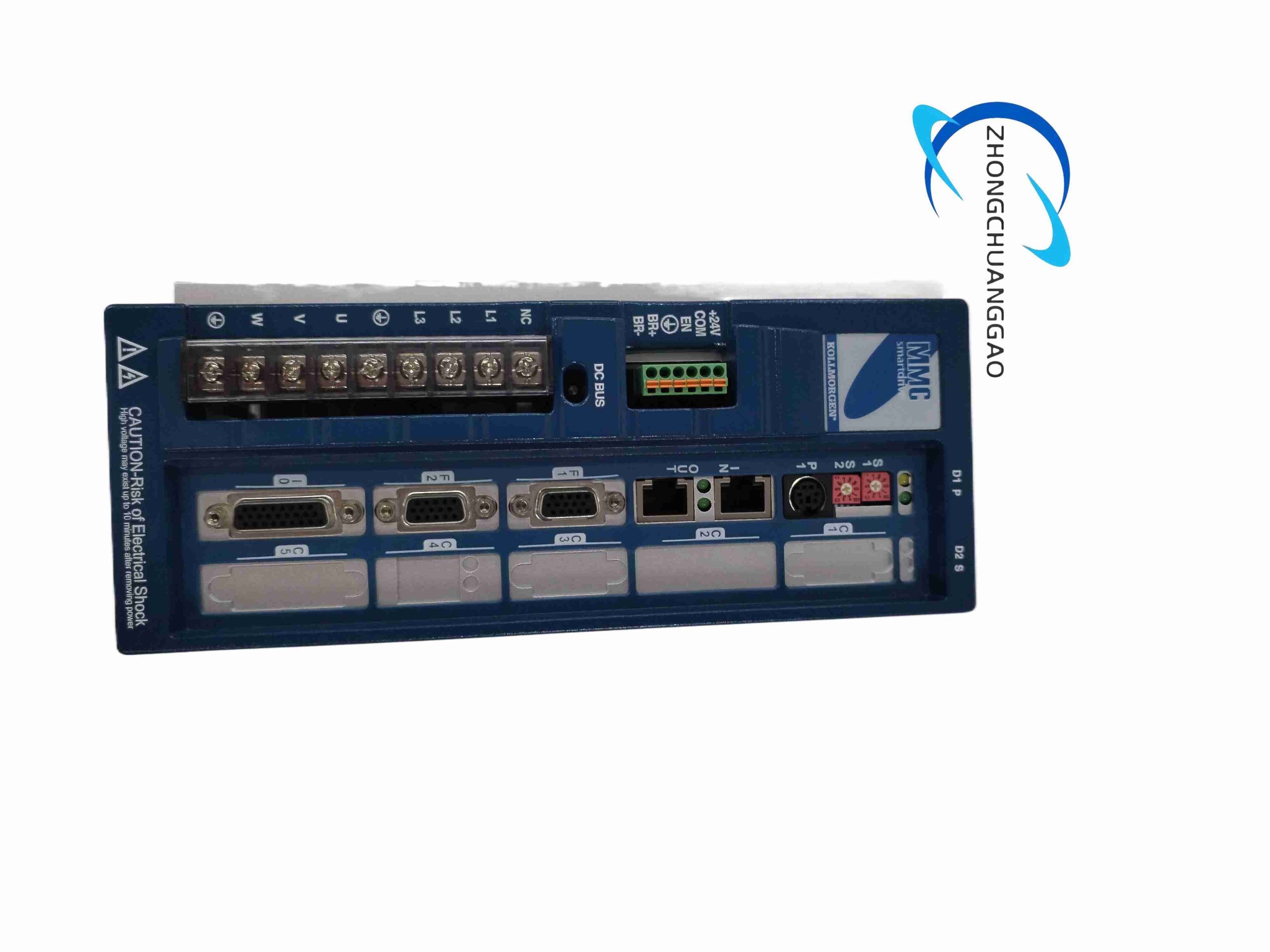
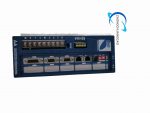
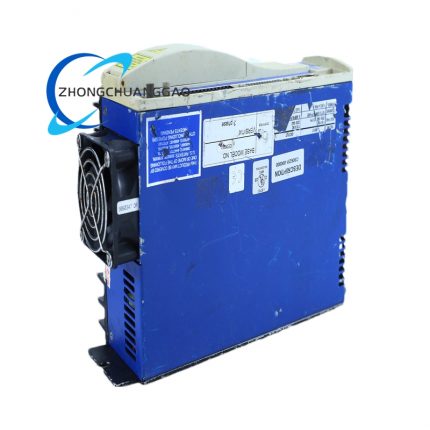
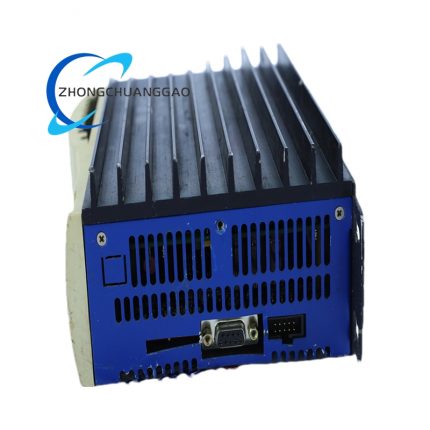
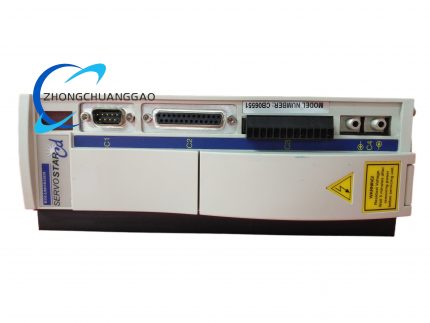
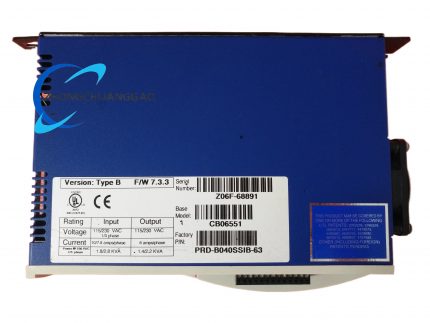
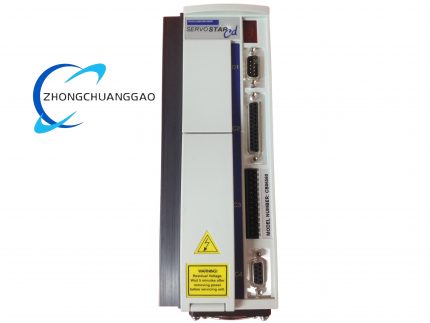
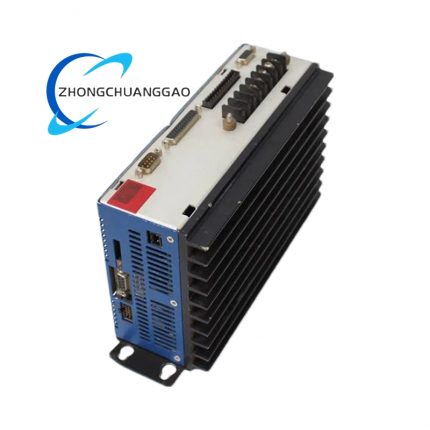
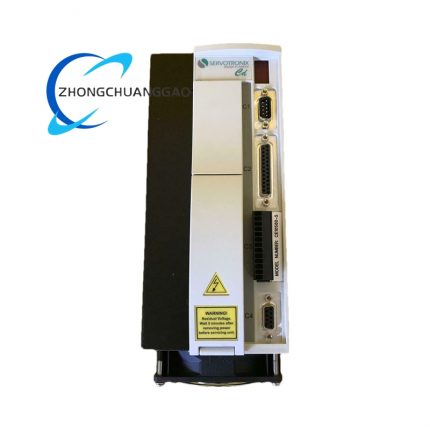
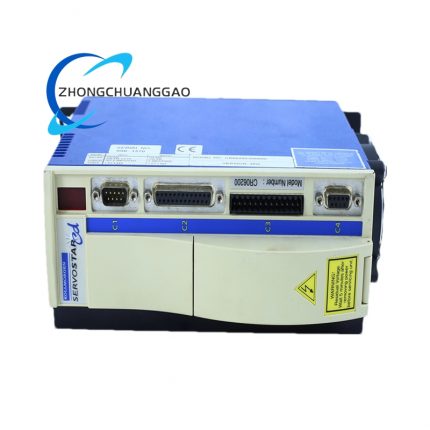
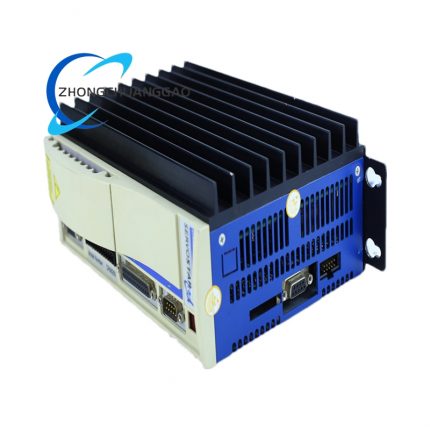
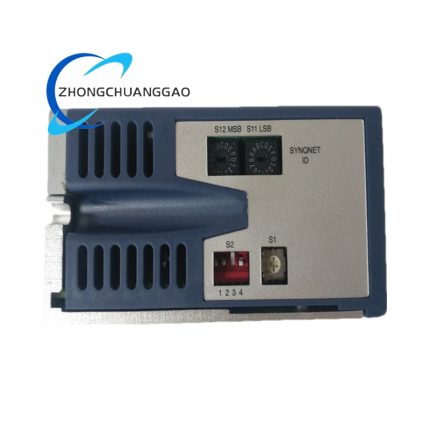
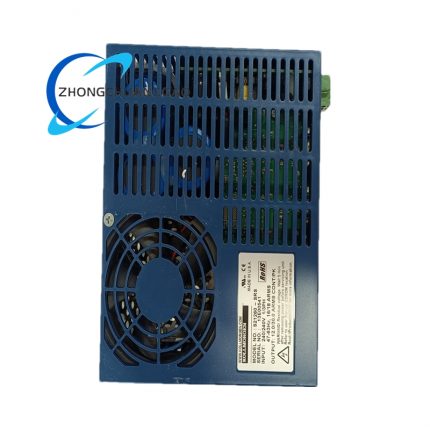
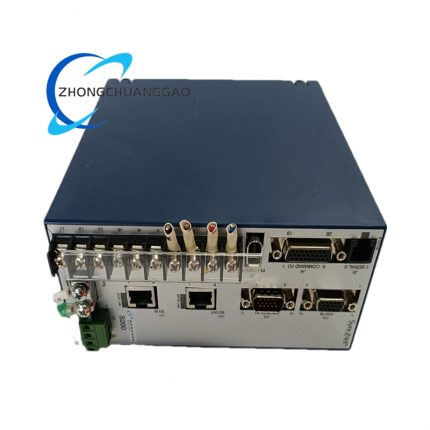
Compact smart-drive enclosure with AC power section, DC-bus terminals, motor output connector, 24 V DC and brake connector, feedback connectors, digital I/O connector, PicPro or network port, status LEDs, node-address switch on digital models.
Working Principle
AC input is rectified to a DC bus. The inverter stage switches the DC bus with IGBTs to generate regulated three-phase output. The control processor reads feedback from the encoder or other sensor, calculates position, velocity and current errors, and adjusts PWM output. PicPro or the digital interface accepts motion commands, I/O logic and parameter sets. The brake relay and 24 V control circuit manage motor holding and control-power independence.
Installation Requirements
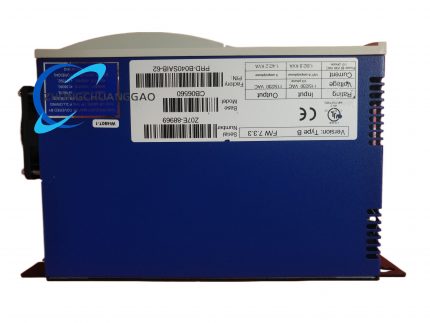
Install the drive in a ventilated panel with vertical orientation unless the manual specifies otherwise. Supply the correct 230 V AC power rating and bonding according to the unit nameplate. Connect motor output, feedback, 24 V DC control and brake wiring with separated power and signal cables. Set node address, communication parameters and motor type in PicPro before energizing. Use line filter, reactor or regen resistor according to the Kollmorgen manual for the installed load profile.
Usage Precautions
Confirm whether the unit requires 230 V single-phase, 100-240 V, or another AC supply before connection. Do not apply bus voltages outside the documented range. Verify peak-current rating from the exact model sheet rather than generic 2.0 kW data. Use external regenerative resistance for vertical loads or fast deceleration. Check encoder type, brake voltage and I/O isolation during every replacement. Update and back up PicPro parameters before changing firmware or motor family.





Reviews
There are no reviews yet.