Technical Specifications
Ethernet/I/O variant:
Power supply: DC 12 V to 24 V.
Communication: Modbus TCP/IP, Ethernet 10/100/1000 Mbps depending on listing, IEEE 802.3.
Connectors: M12 industrial connectors in some listings.
Data rate: up to 100 Mbps in Modbus TCP listings.
Dimensions: 96 mm x 96 mm x 27 mm in M12 Ethernet listings.
Operating temperature: -40°C to +85°C in extended industrial listings, -20°C to +60°C in alternative listings.
PLC/control variant:
Power supply: DC 24 V in several PLC card listings.
Interfaces: RS-232, RS-485, Ethernet, CANopen depending on listing.
Memory: configurations range from 1 MB RAM and 8 MB Flash to 128 MB RAM and 256 MB Flash across different sources.
I/O: configurations include 8-bit analog inputs, 8-bit digital outputs or 16 combined I/O channels depending on listing.
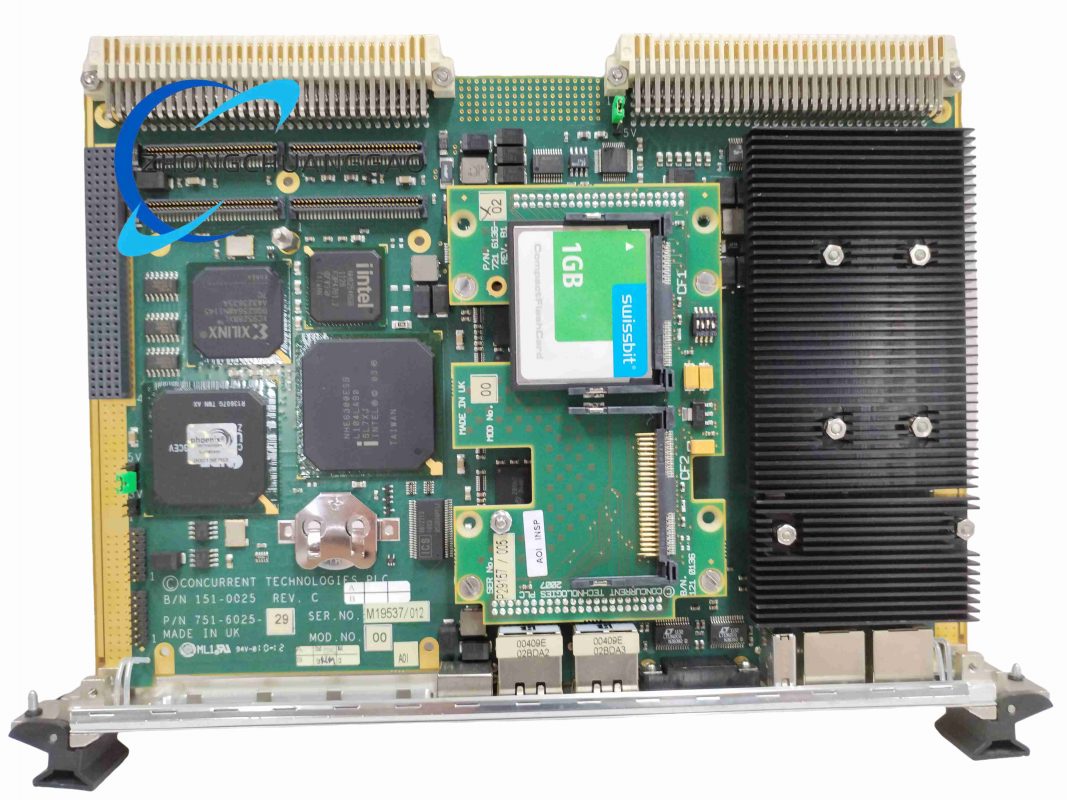
Dimensions: 160 mm x 104 mm x 51 mm in one VME-style listing.
Motion variant:
Power supply: DC 24 V in listed motion-board data.
Communication: Ethernet, CANopen, RS-485, EtherCAT in different listings.
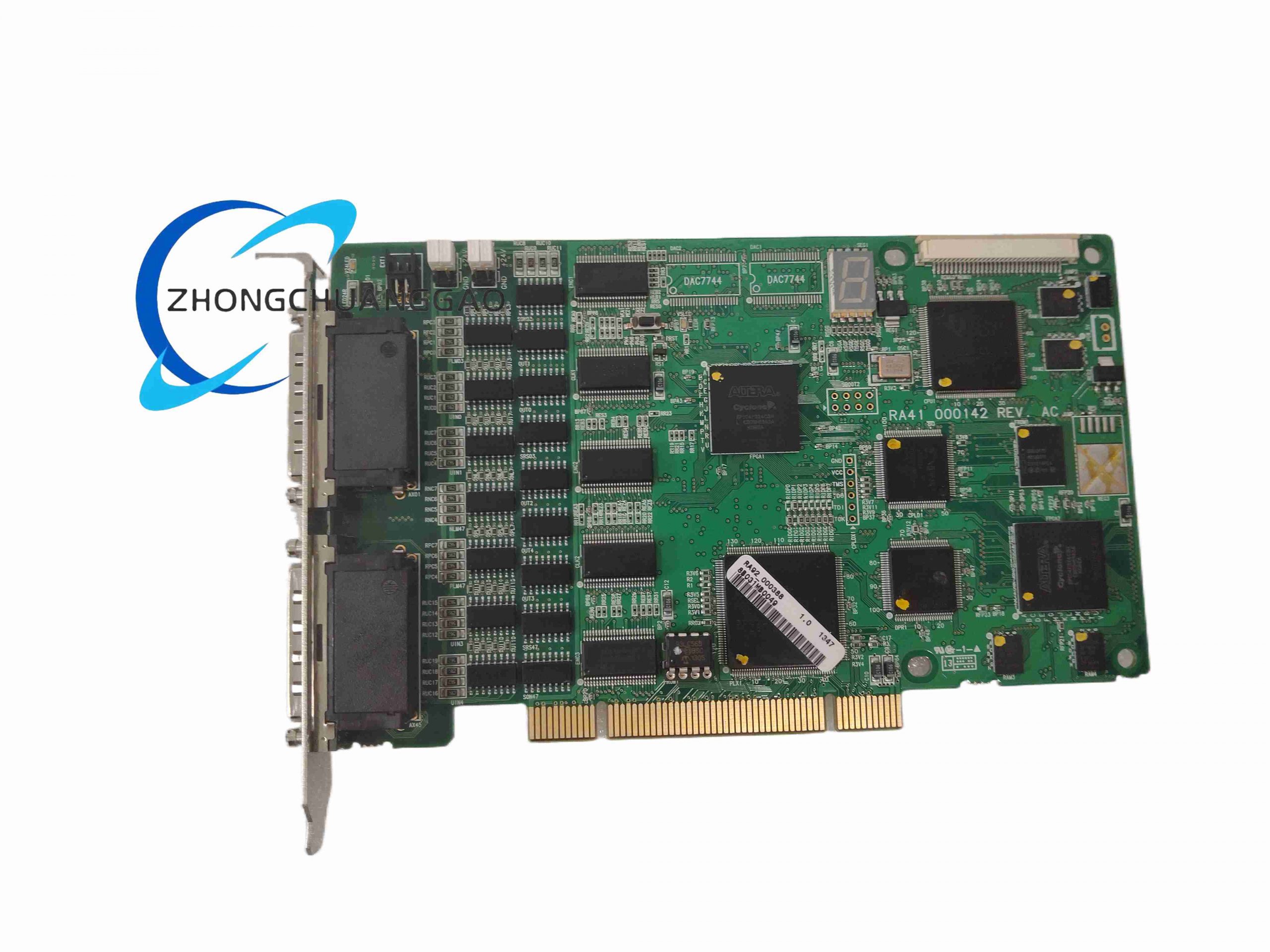
Axes: up to 8 axes in one ICS Triplex-style listing.
Memory: 64 MB RAM and 128 MB Flash in that listing.
Dimensions: 170 mm x 84 mm x 58 mm in that listing.
Functional Features
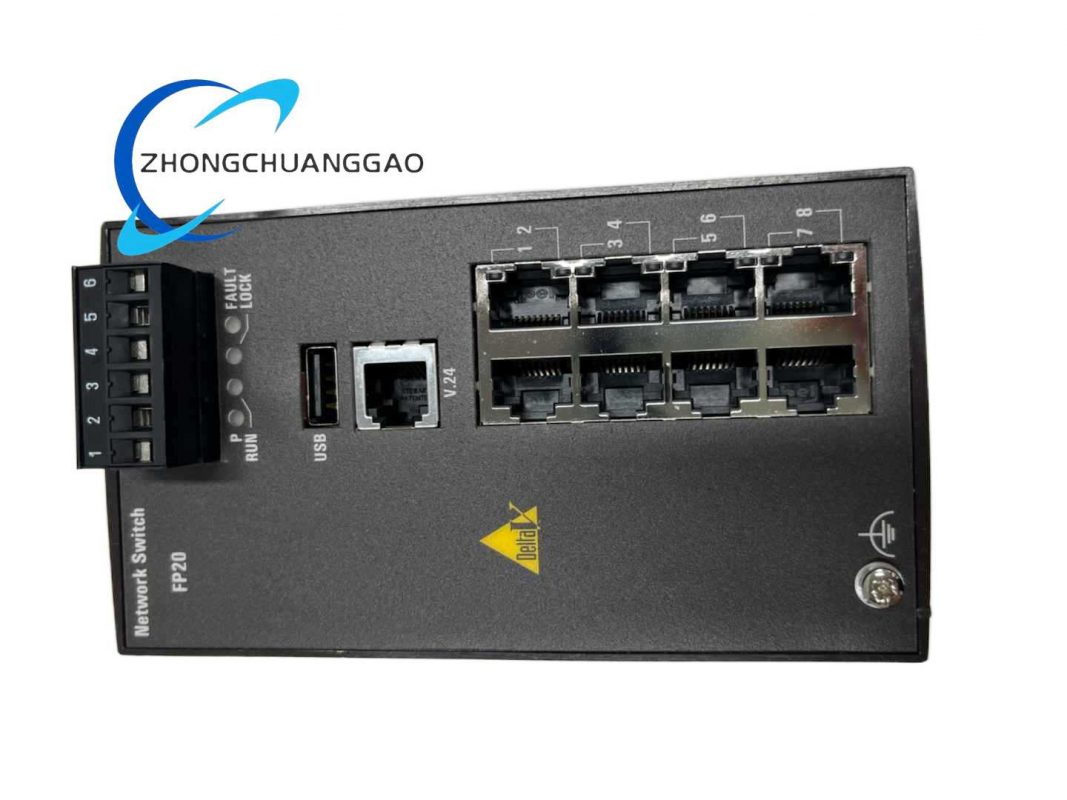
Ethernet variant provides industrial network data exchange, Modbus TCP compatibility and compact panel mounting.
PLC variant provides processor, communication and I/O integration for automation panels.
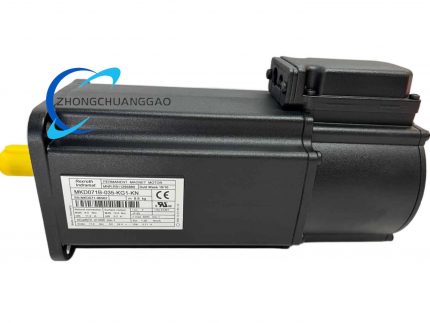
Motion variant provides multi-axis position, speed and torque coordination for servo systems.
All variants are designed for DIN, rack or panel integration according to the specific card type.
Status, communication and fault functions depend on firmware and host configuration.
Application Scenarios
Ethernet/I/O version: factory network nodes, remote I/O clusters, packaging lines, building and process automation data links.
PLC version: discrete manufacturing control, small process skids, retrofit controller cards, status and alarm handling.
Motion version: robotics, CNC auxiliary axes, multi-axis indexing, semiconductor handling and high-speed assembly.
Performance Parameters
Ethernet version sustains 10/100/1000 Mbps link speeds according to the hardware listing and handles Modbus TCP transactions for sensor, I/O and controller data. PLC version executes logic, communication and I/O scanning according to processor, memory and scan configuration. Motion version coordinates multiple servo axes with deterministic command delivery when paired with compatible drives and encoders.
Material Composition
Printed circuit board, surface-mount components, industrial connectors, aluminum or steel mounting bracket depending on variant, encapsulation or coating in harsh-environment listings, firmware memory devices.
Structural Characteristics
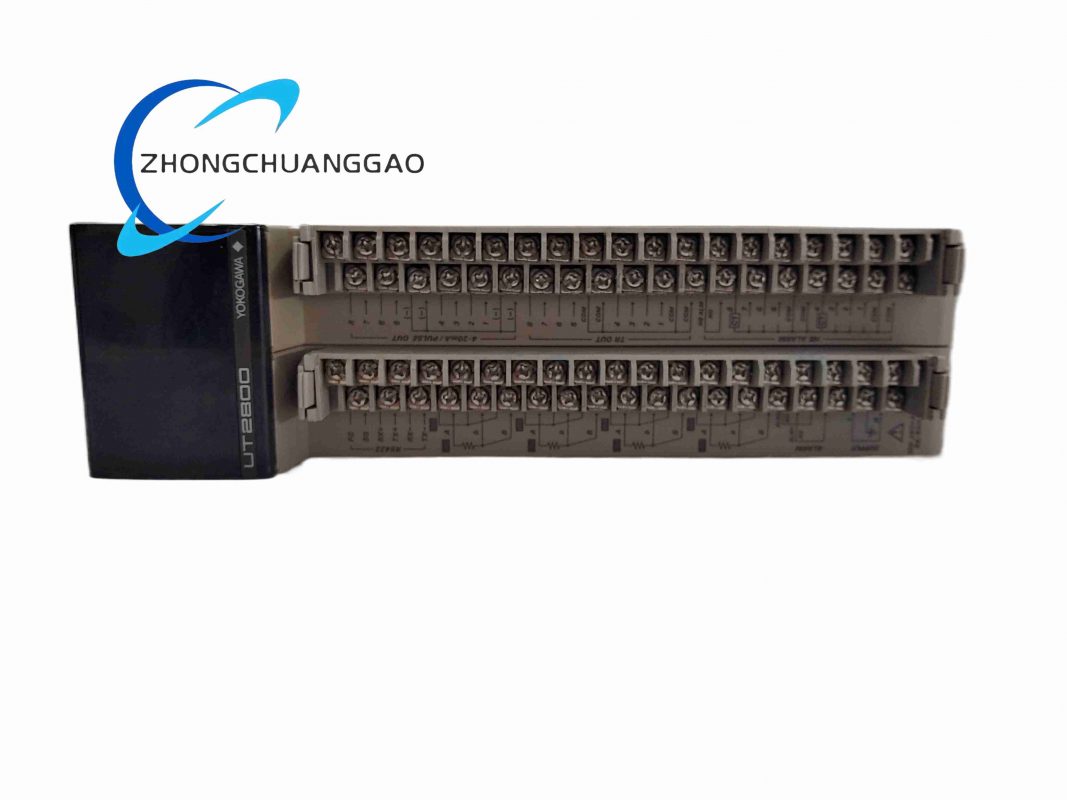
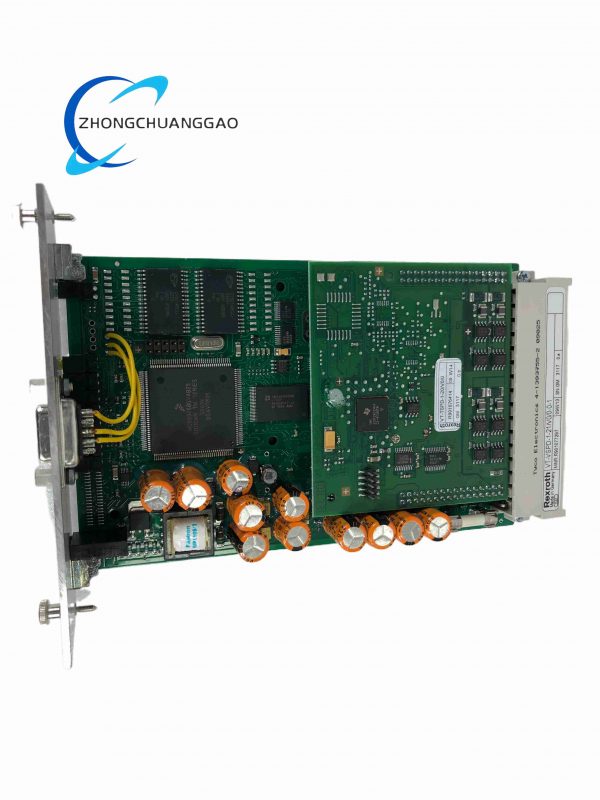
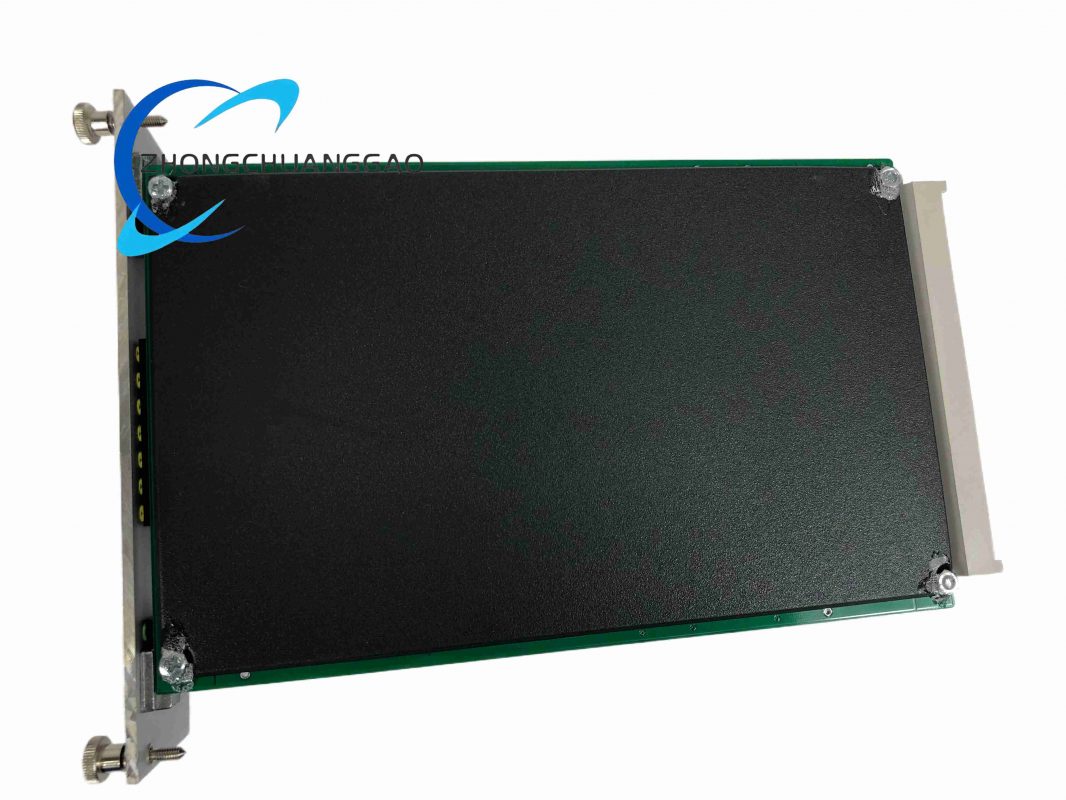
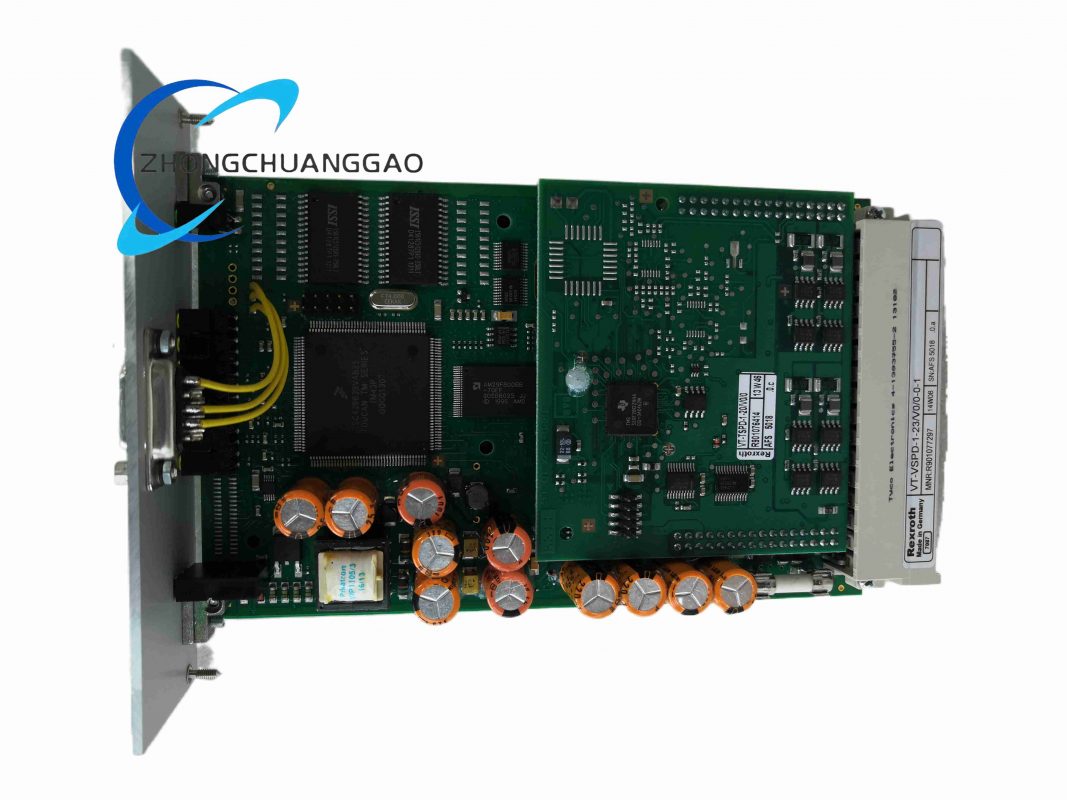
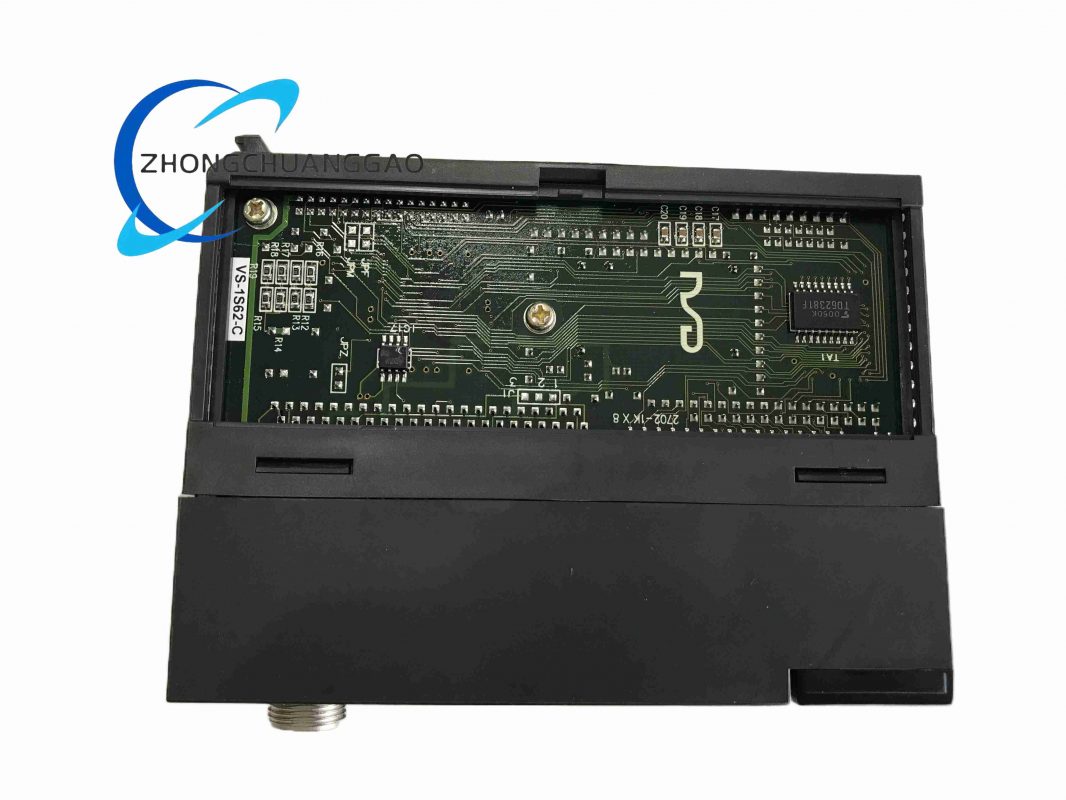
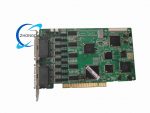
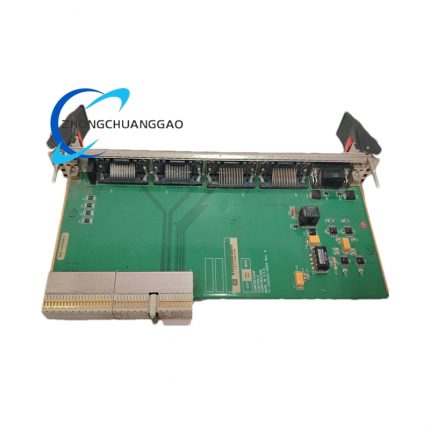
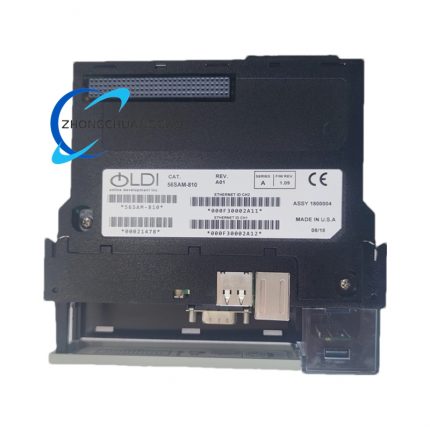
Ethernet card: compact rectangular board with M12 or RJ45 ports, LED indicators and DIN or panel fixings.
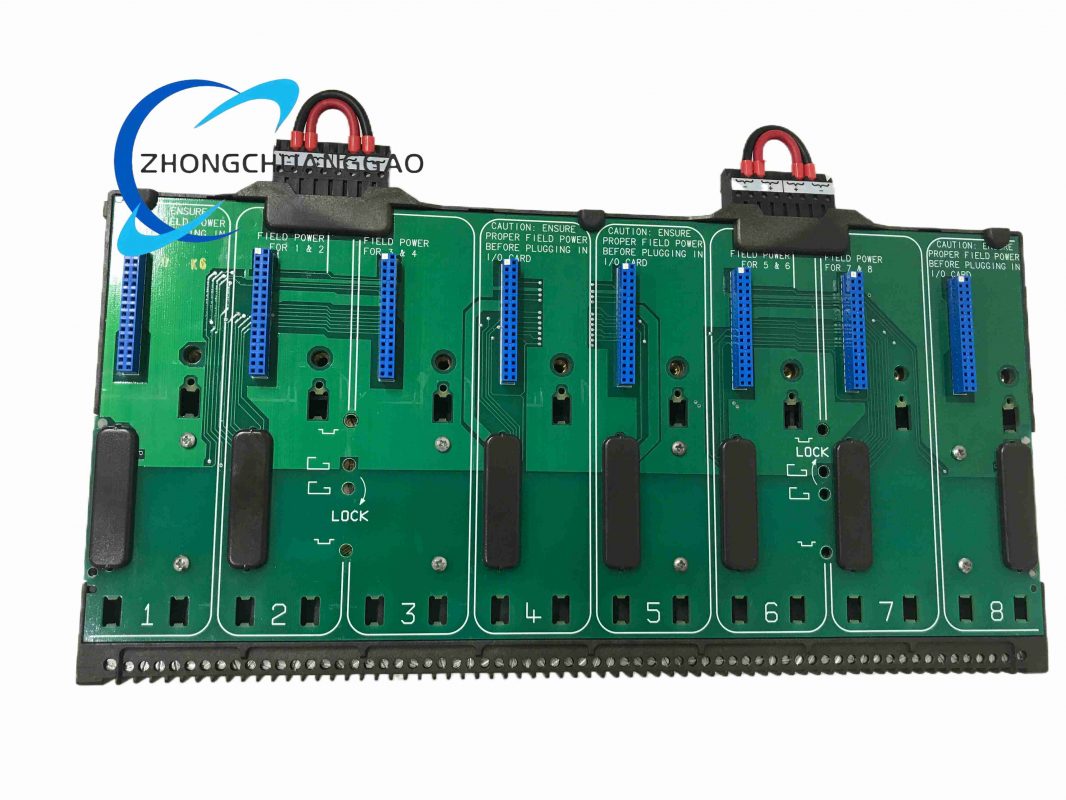
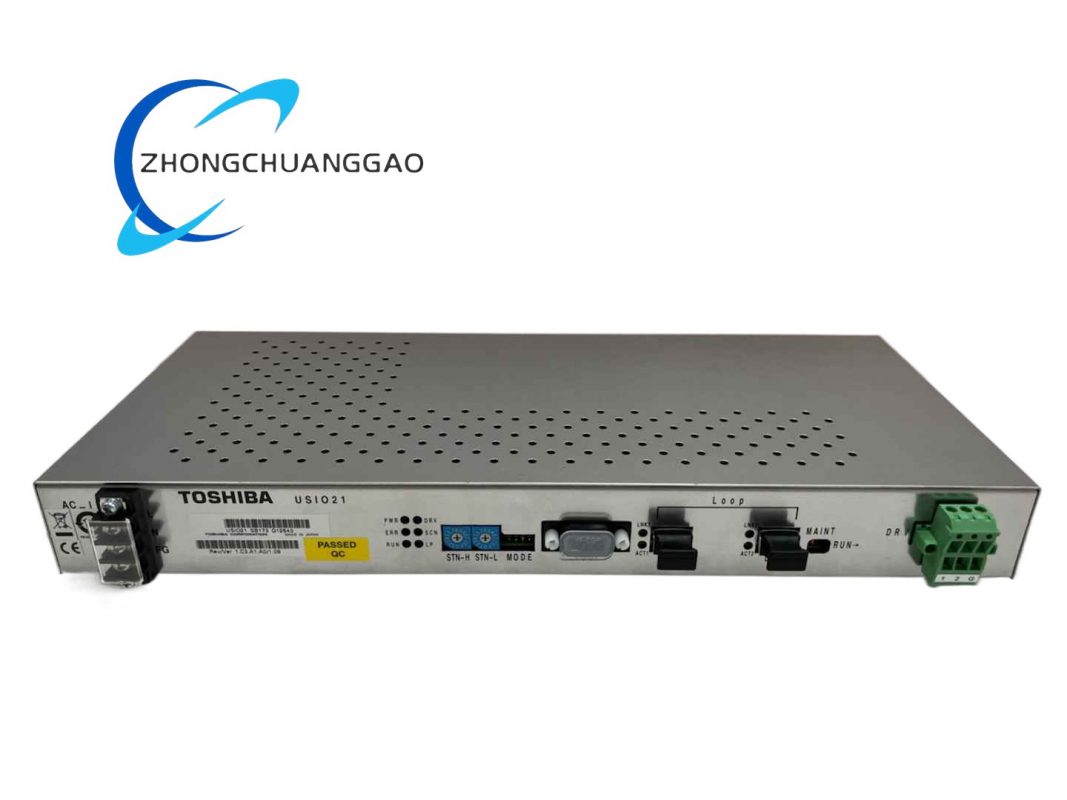
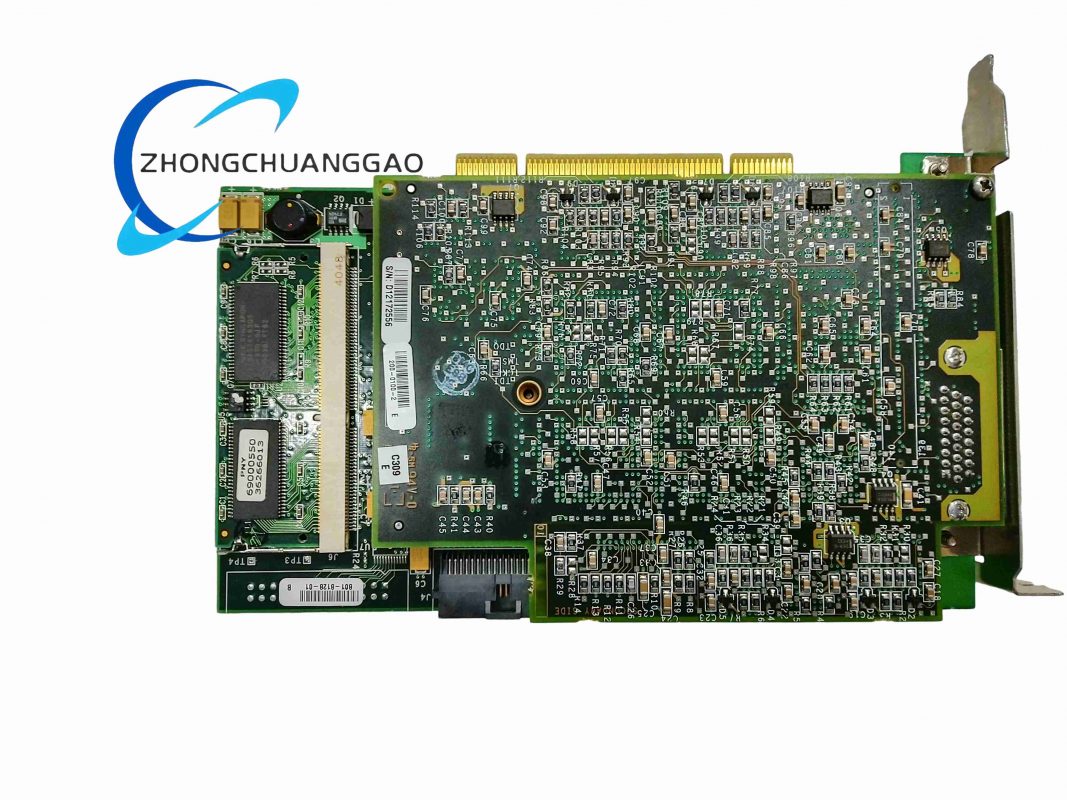
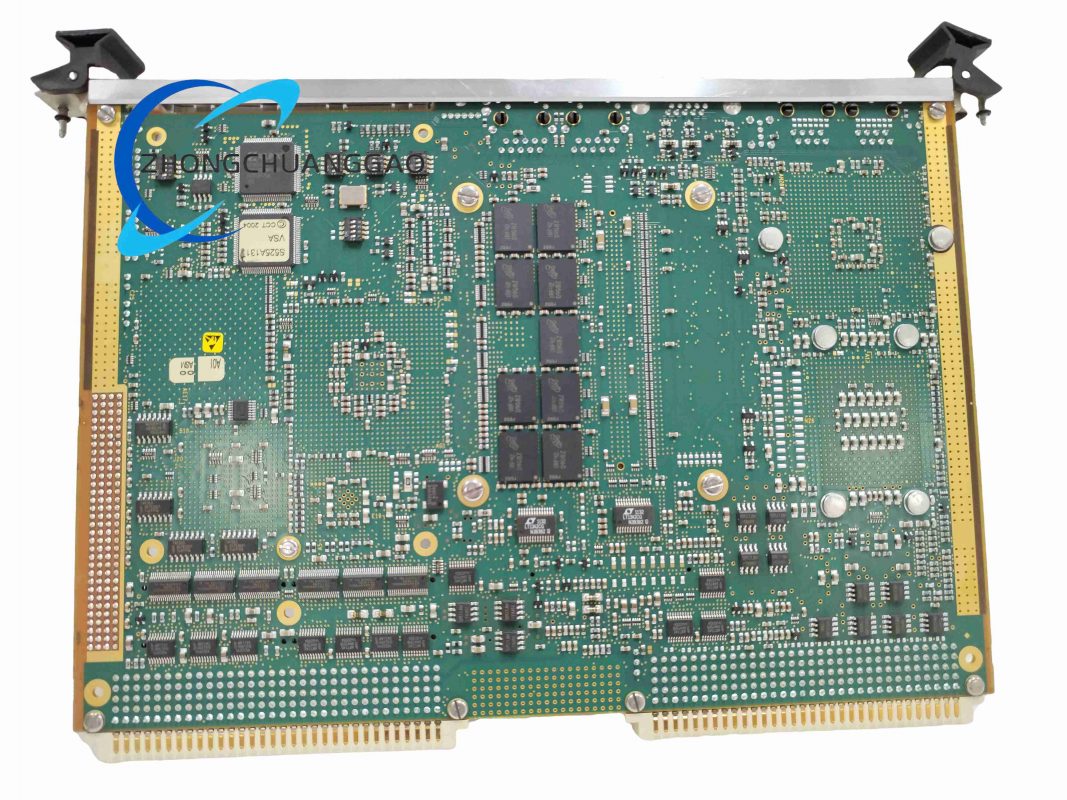
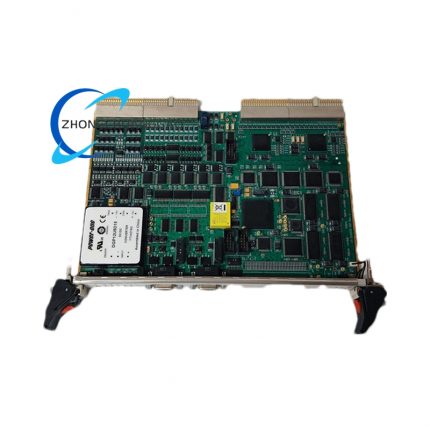
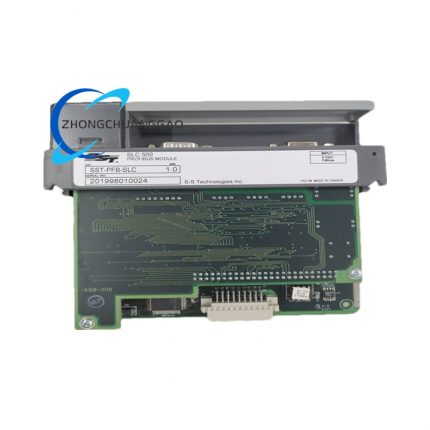
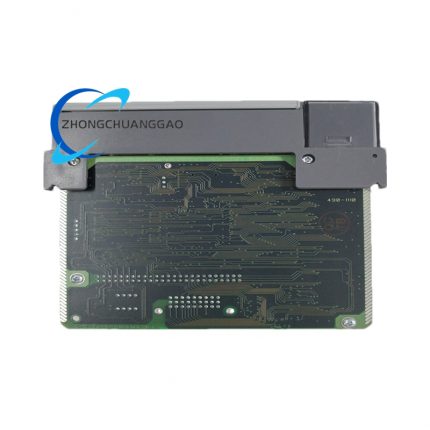
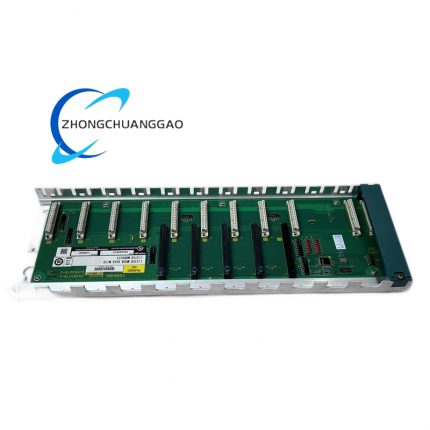
PLC card: board with communication ports, I/O terminals or backplane connector, processor and memory devices.
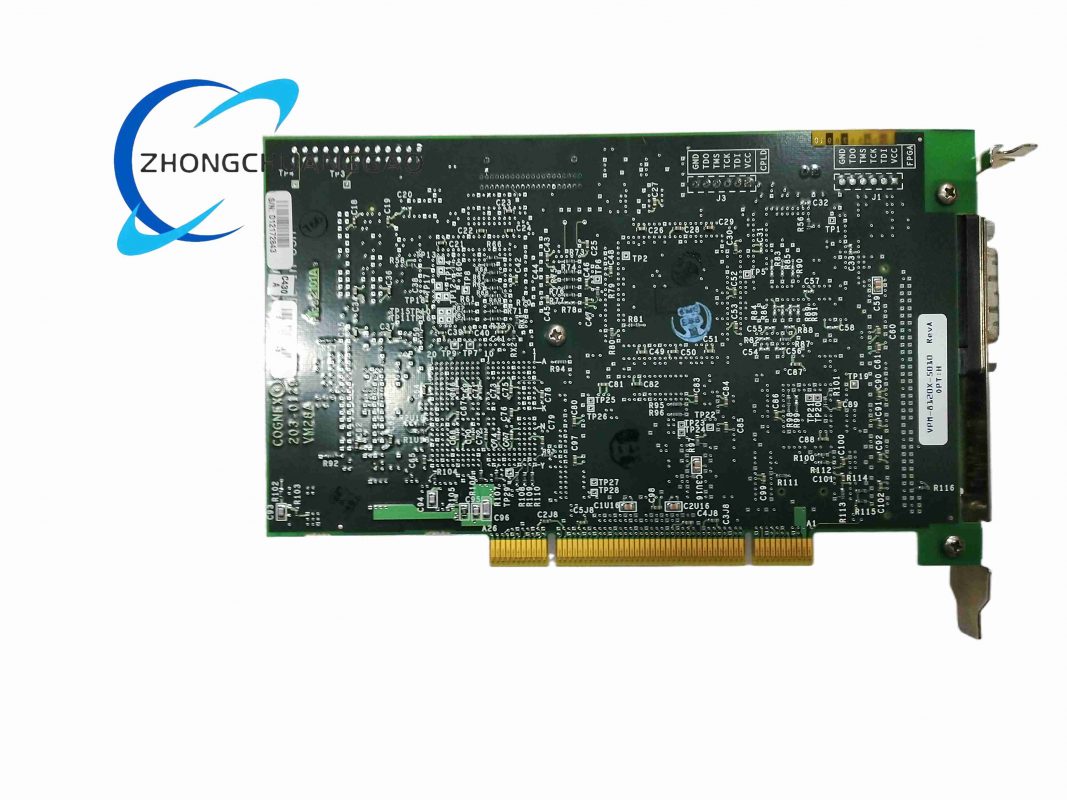
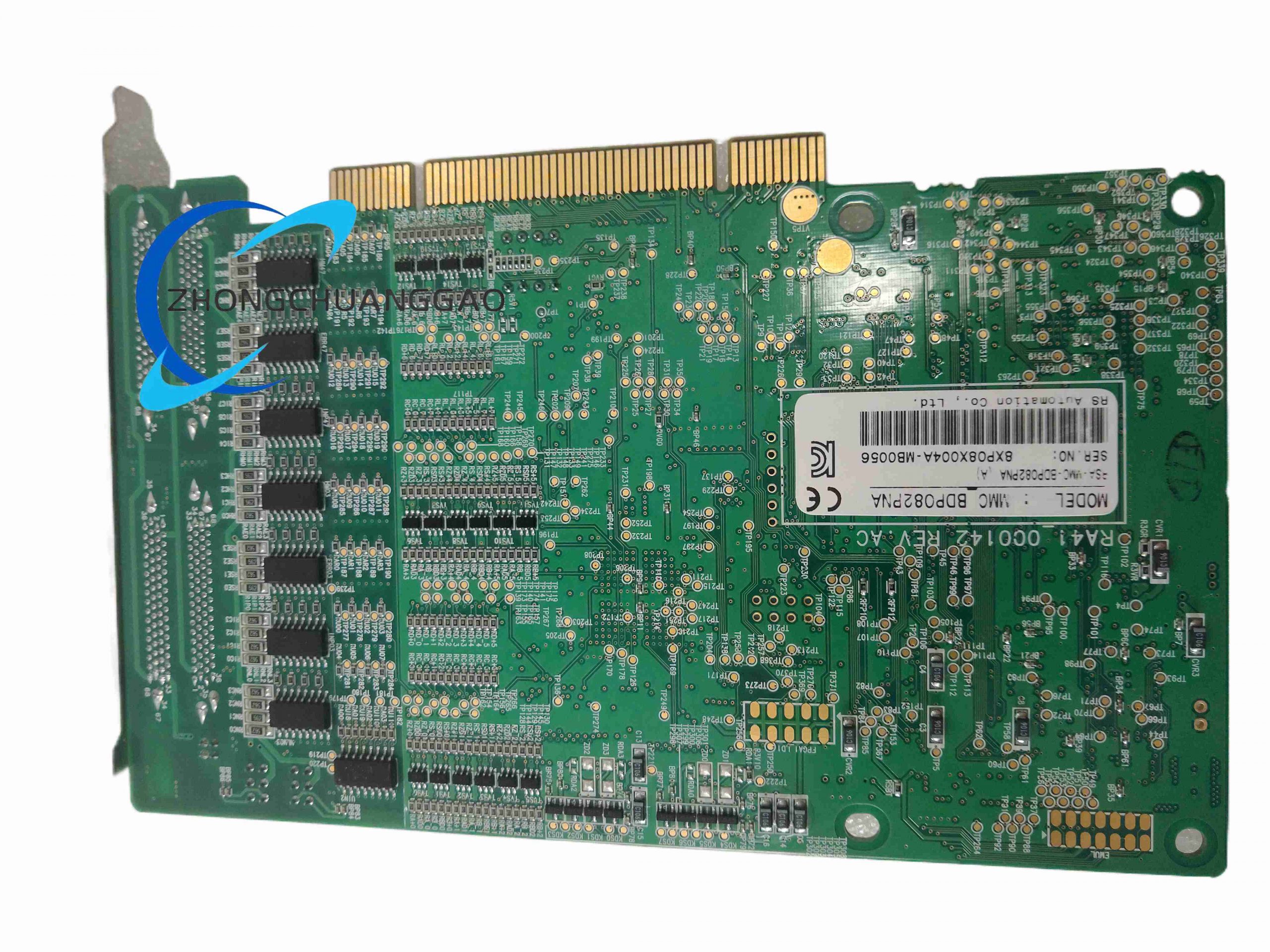
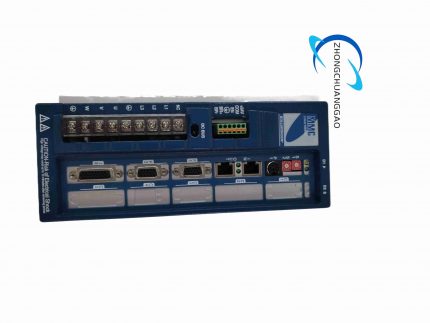
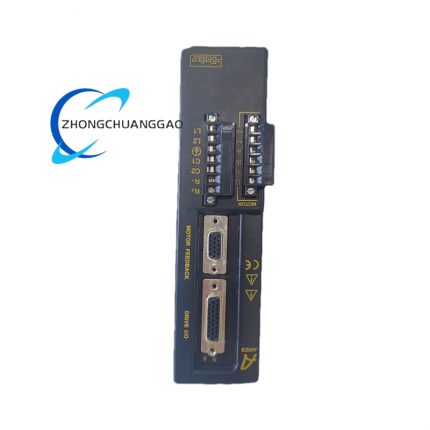
Motion card: board with axis interfaces, encoder inputs, network ports and processor subsystem.
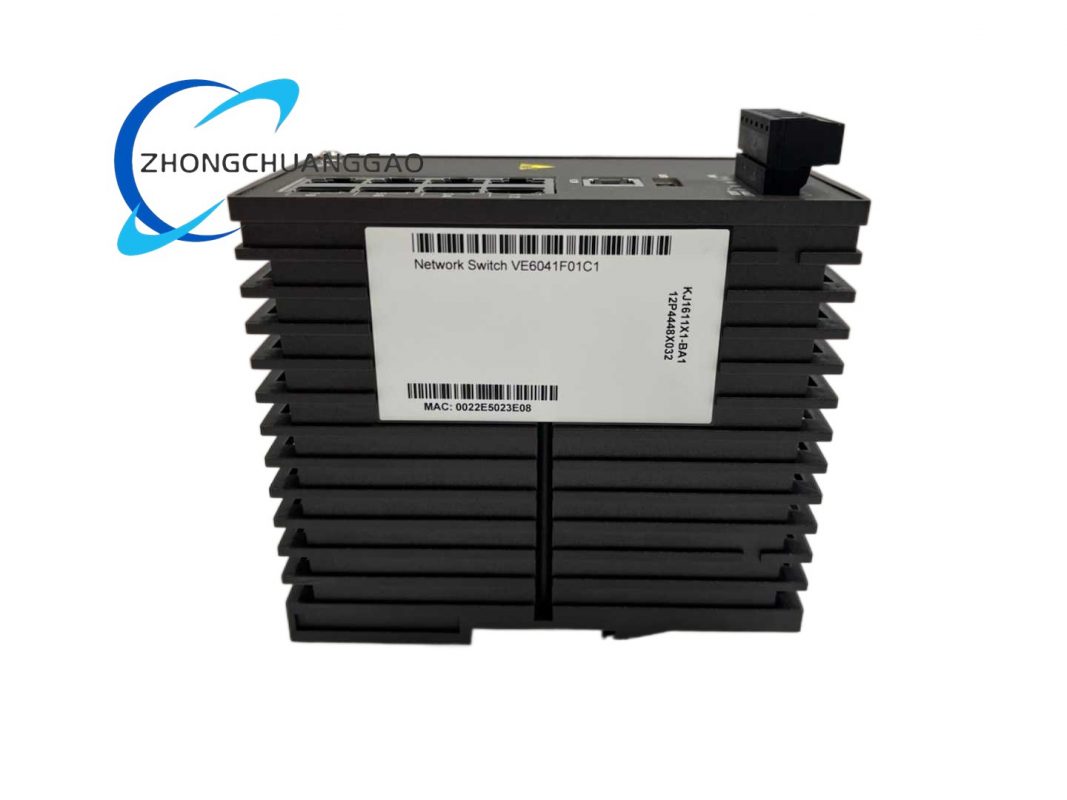
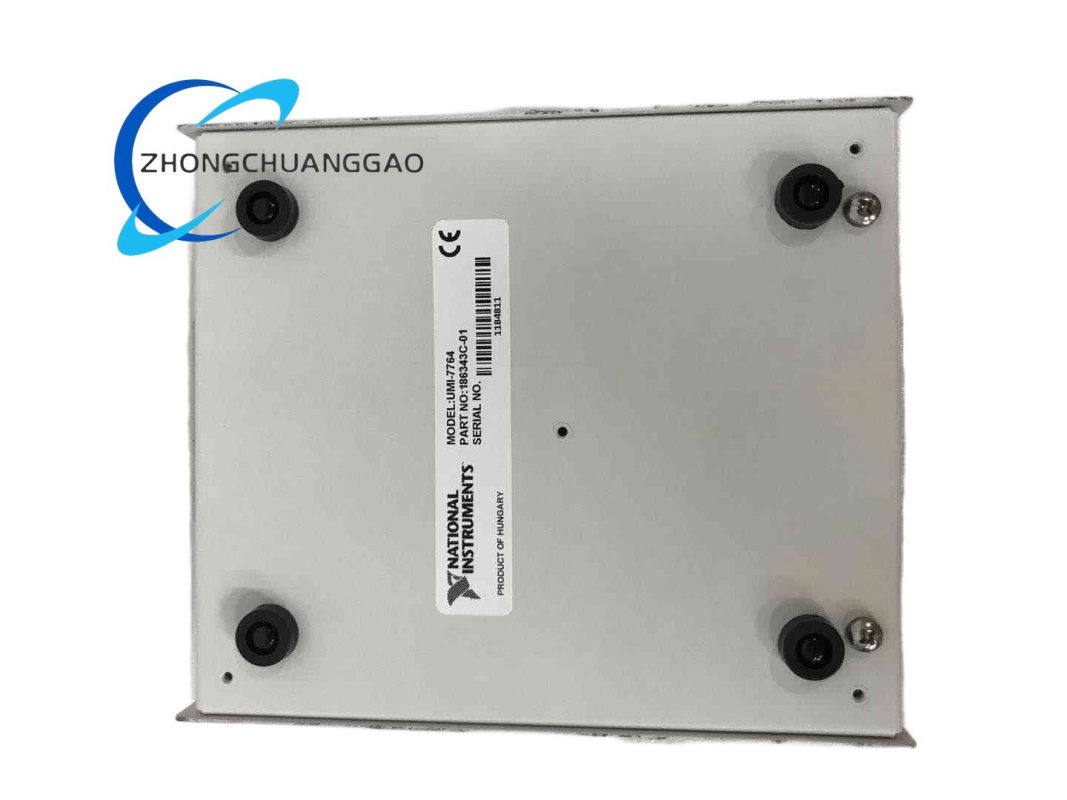
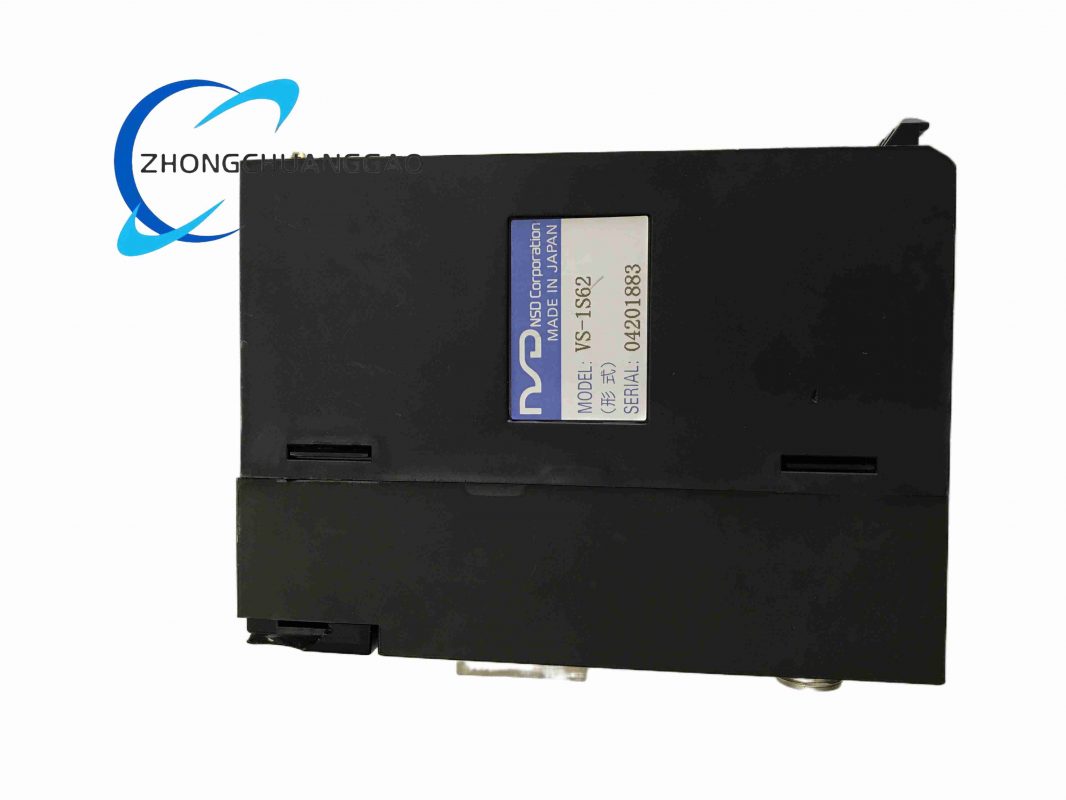
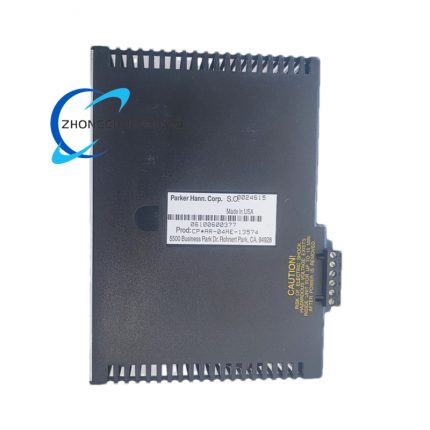
Exact connector layout, jumper settings and slot type must be taken from the supplied unit label.
Working Principle
The module receives power from the specified DC supply and communicates with controllers, I/O devices or servo drives through its configured interface. Ethernet and PLC versions process data frames, logic routines and I/O states, then exchange commands with the host system. Motion versions calculate trajectory, closed-loop position and velocity commands and send servo output through compatible drive interfaces. Feedback from encoders or network nodes closes the control loop.
Installation Requirements
Identify the exact variant from the printed model, firmware tag and system manual. Supply the rated DC voltage with proper fusing and isolation. Use shielded communication cables and terminate network impedance according to the protocol. Seat the card in the correct rack, backplane or DIN location with proper grounding. Configure IP address, node ID, I/O mapping or axis parameters before placing the system in automatic mode.
Usage Precautions
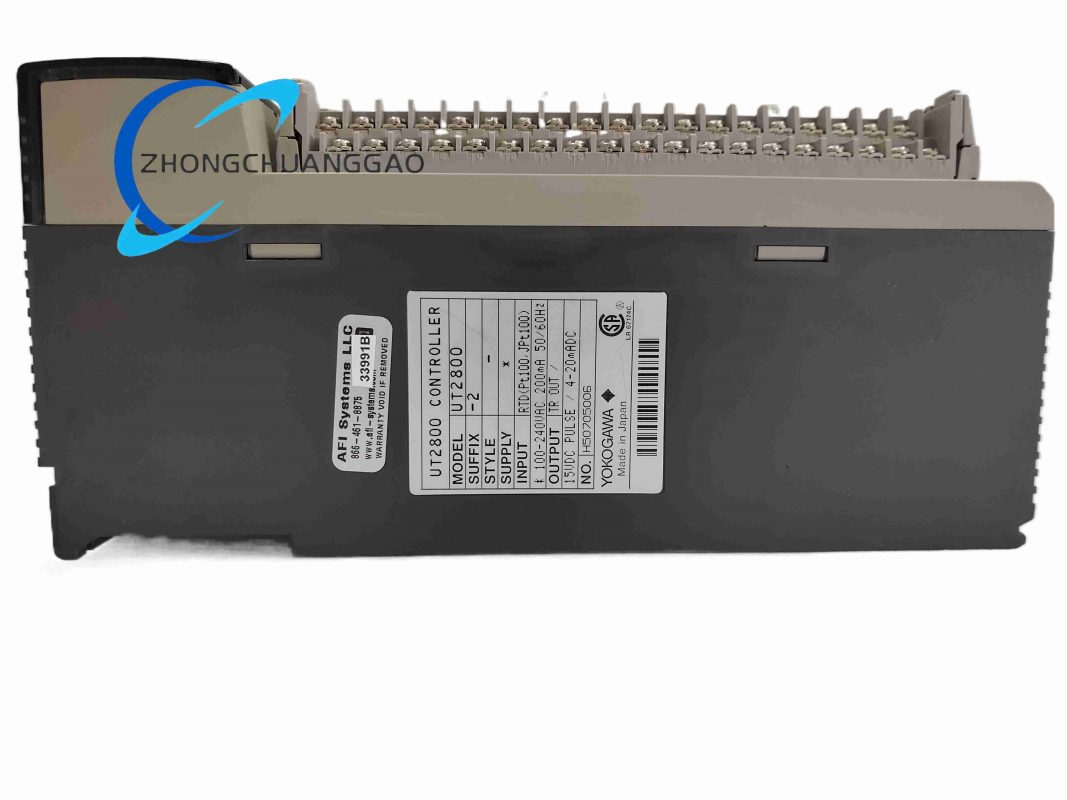
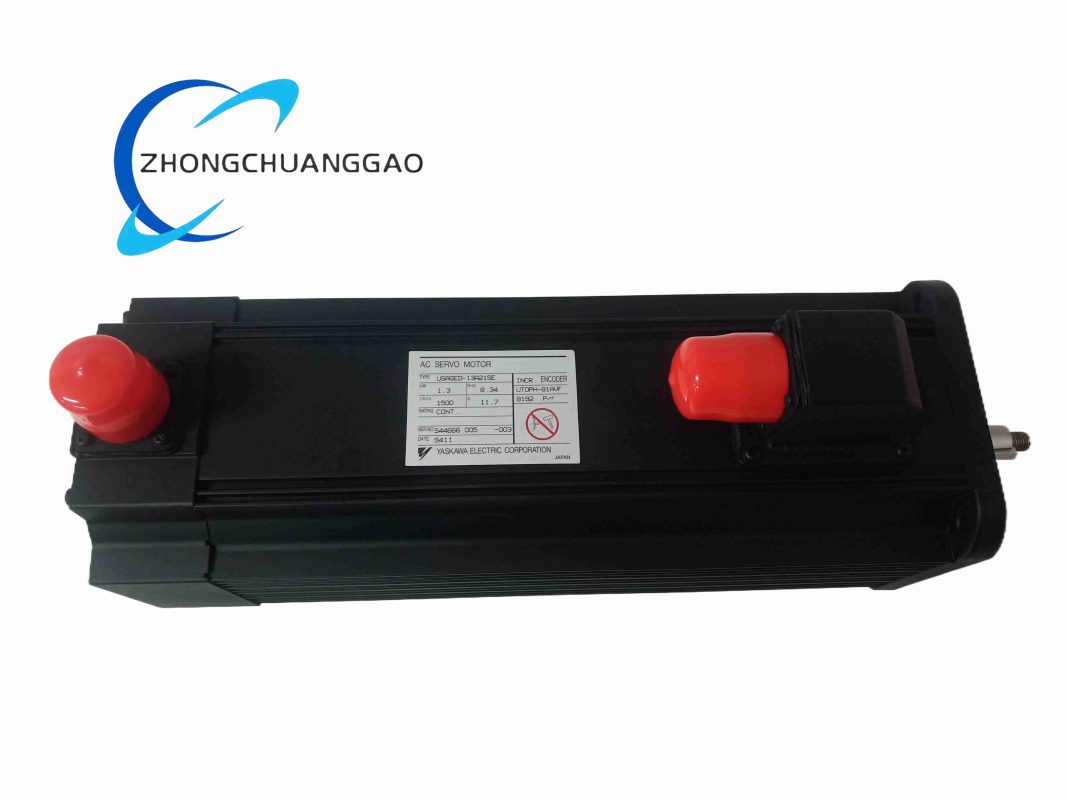
Do not interchange Ethernet, PLC and motion versions because pinout, firmware and power requirements differ. Confirm DC polarity and voltage range before energizing. Keep communication cables separated from power conductors to prevent feedback signal errors. Back up configuration and firmware parameters before replacement. Verify compatibility with the host controller, drive family and encoder type listed on the nameplate.





Reviews
There are no reviews yet.