Technical & Performance Specifications
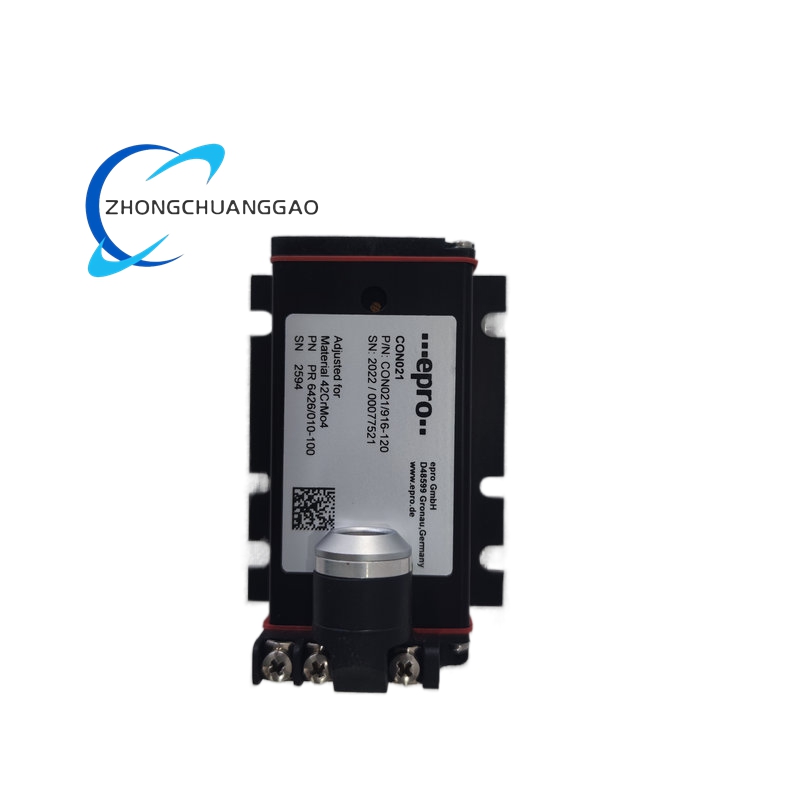
- Supported Compatible Sensors: PR6422, PR6423, PR6424, PR6425, PR6426, PR6453 series eddy current probes
- Frequency Response Bandwidth (-3 dB): 0 Hz ~ 20,000 Hz
- Signal Rise Time: <15 µs high-speed transient response
- Power Supply Input Range: -23 V DC ~ -32 V DC negative supply
- Standard Analog Output Voltage Range: -4 V DC ~ -20 V DC linear output
- Mechanical Vibration Resistance: 5 g continuous vibration at 60 Hz operating frequency
- Operating Ambient Temperature Range: -30°C ~ +100°C
- Protection Class: IP20 cabinet mounting rating
- Unit Weight: 120 g
- Mounting Fasteners: 4×M5×20 steel mounting screws included with factory packaging
- Wiring Terminals: Power/output screw terminals support maximum 1.5 mm² copper wire cross-section
- Probe Interface: Self-locking LEMO circular plug connector for eddy current probe cable
- Certifications: CE, ATEX IEC-Ex hazardous area approval, CSA safety certification
Function Features
- Linearization correction circuit compensates eddy current probe electromagnetic non-linearity across full measurement air gap range
- Built-in short-circuit and open-probe fault detection with output signal clamping for system alarm triggering
- Wide bandwidth simultaneously captures slow rotor thermal drift displacement and high-frequency bearing defect vibration signatures
- Galvanic isolation between probe input and analog output eliminates ground loop interference in multi-probe monitoring racks
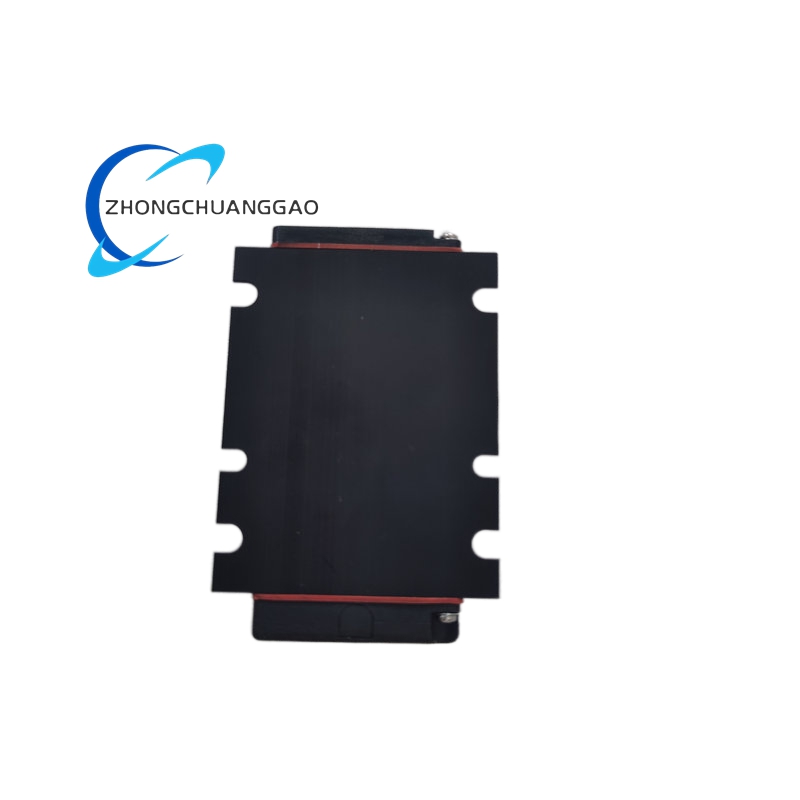
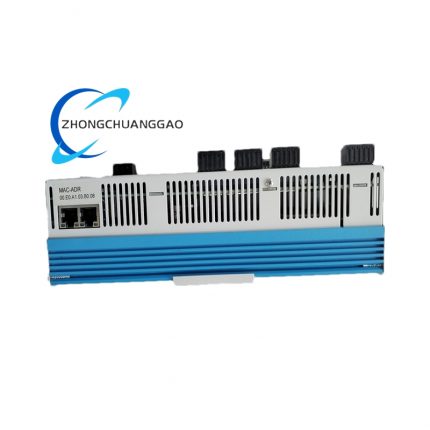
- Compact lightweight housing supports dense DIN rail or panel mounting in machinery control cabinets
- Negative supply voltage architecture optimized for industrial vibration monitoring rack standard power distribution systems
Working Principle
Internal high-frequency oscillator generates alternating electromagnetic excitation signal transmitted through LEMO connector to paired eddy current probe. The probe induces eddy currents on conductive rotating shaft surfaces; reflected electromagnetic field strength varies linearly with shaft-to-probe air gap distance. The converter’s analog front-end demodulates reflected field amplitude, applies factory calibrated linearity correction, and outputs a proportional standardized -4 V ~ -20 V analog voltage signal representing measured displacement value to downstream monitoring and control hardware.
Material & Structural Composition
- Housing Alloy: LMgSi 0.5 F22 lightweight heat-conductive die-cast aluminum alloy
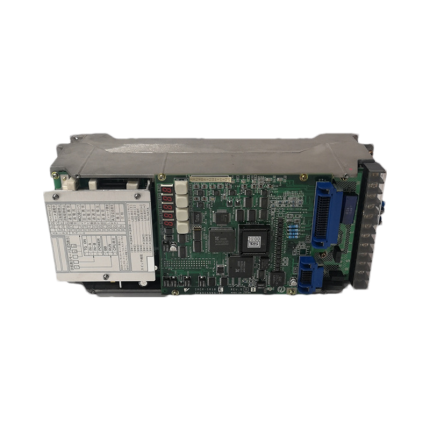
- Internal PCB: Multi-layer FR4 circuit board with temperature-stable precision resistors and oscillator components
- Connector Assembly: Nickel-plated LEMO self-locking circular probe plug; tin-plated copper screw terminal blocks for power/output wiring
- Thermal Interface: Integrated internal aluminum heat sink bonded to main PCB for high-temperature ambient heat dissipation
Advantage Highlights
- ATEX hazardous zone certification permits installation inside refinery, power plant and gas turbine classified control cabinets
- Ultra-wide -30°C to +100°C operating temperature range adapts to unconditioned machinery local control panels
- Low weight and compact footprint enable dense multi-channel mounting for turbine shaft multi-point monitoring
- Factory pre-calibrated linearity correction eliminates on-site signal trimming requirement
- High vibration resistance maintains stable measurement performance on skid-mounted rotating equipment control racks
Applicable Industries
Steam/gas turbine power generation, petrochemical centrifugal compressors, hydroelectric generator shafts, nuclear plant auxiliary rotating machinery, offshore oil & gas turbomachinery
Installation Requirements
- Mounting options: Direct panel mounting via supplied M5 screws or 35 mm DIN rail adapter bracket (accessory)
- Probe cable routing: PTFE insulated shielded probe cable; single-point shielding grounding at converter LEMO connector
- Power wiring: Twisted pair shielded cable for -24 V DC negative supply; separate wire run from signal output wiring
- Cabinet restriction: Maintain minimum 10 mm air gap between adjacent CON021 units for cross-unit thermal isolation
Operation & Maintenance Notes
- Each converter must be factory calibrated paired with matching eddy current probe; cross-unit probe pairing invalidates measurement linearity
- Annual calibration required via certified displacement air gap test fixture to maintain ISO process monitoring accuracy standards
- Do not route probe cables parallel to high-current variable frequency drive power wiring
- Visually inspect LEMO connector locking mechanism every 12 months for mechanical wear from vibration
- Ambient cabinet temperature exceeding +100°C triggers permanent internal thermal protection shutdown








Reviews
There are no reviews yet.