
Product Brief
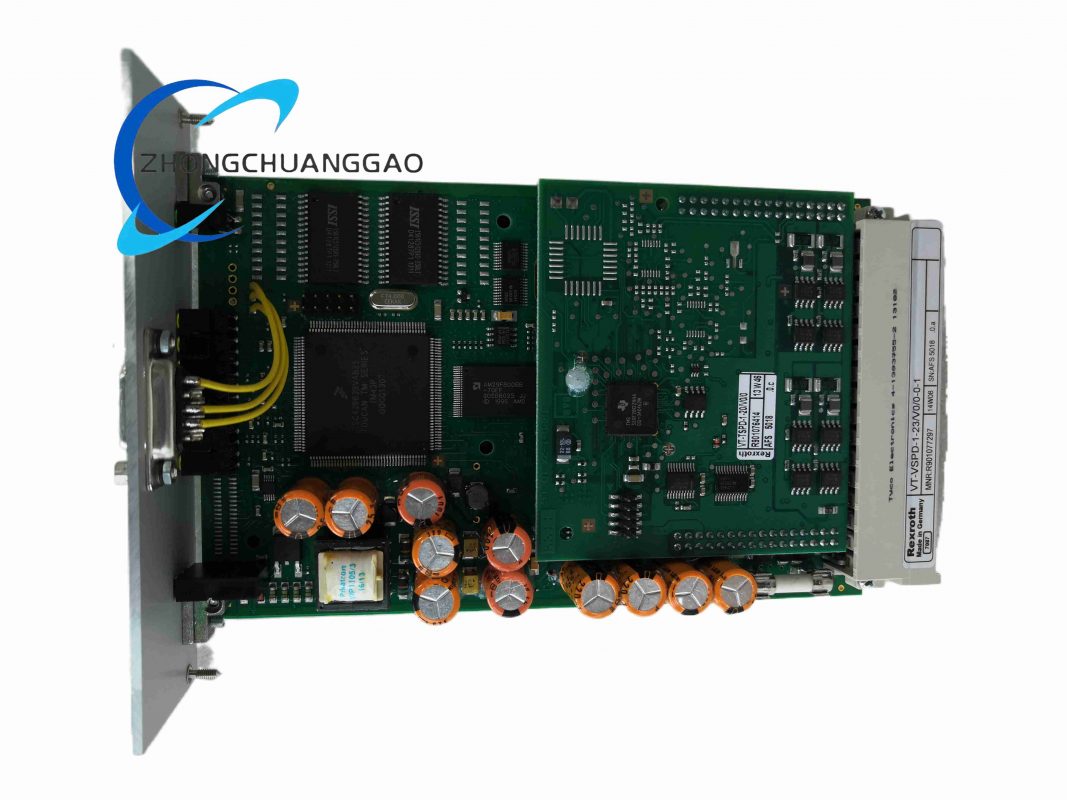
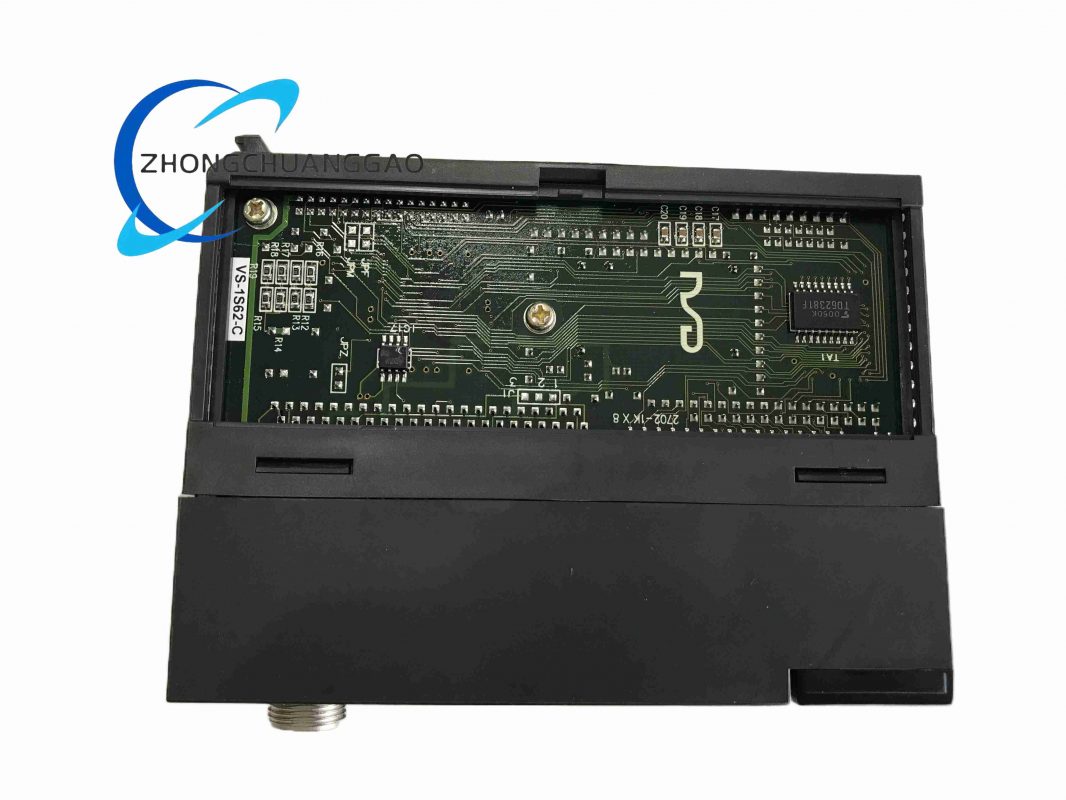
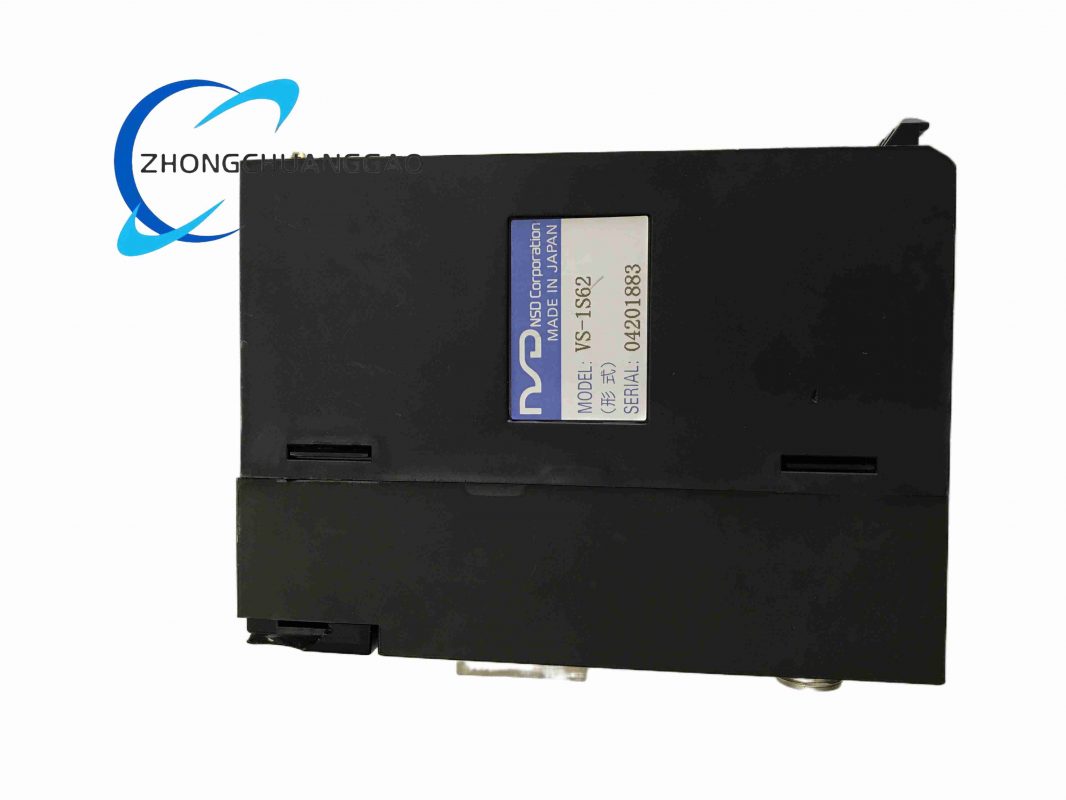
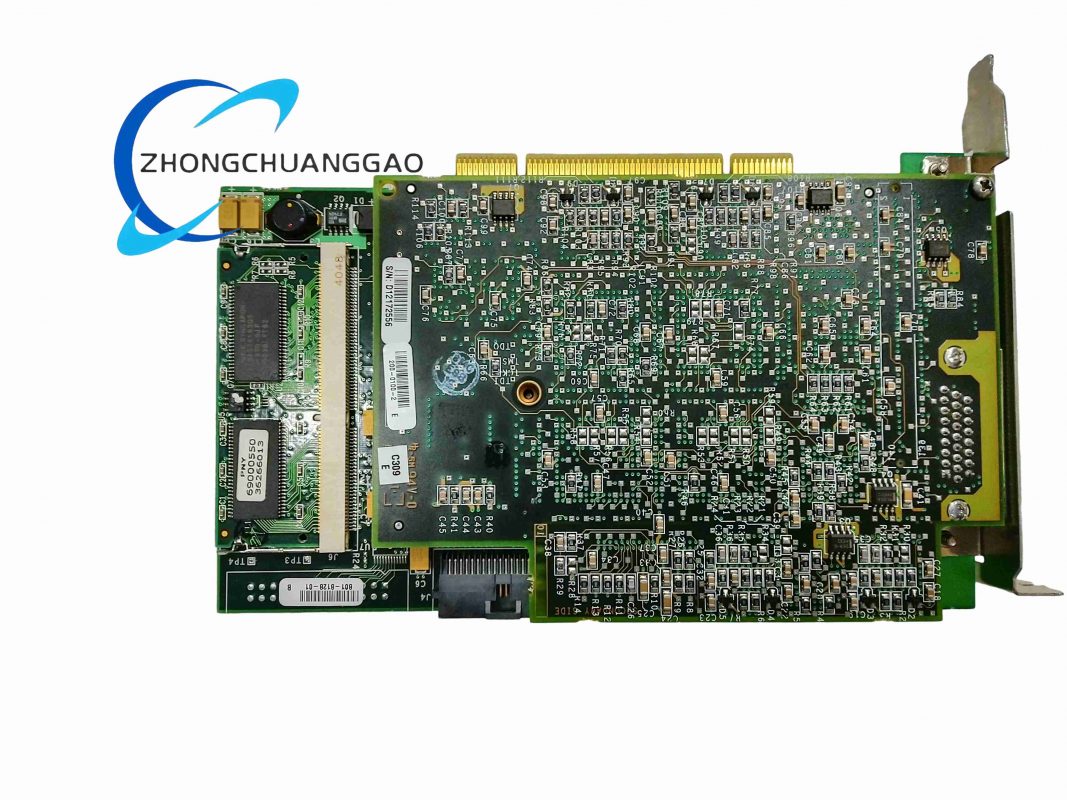
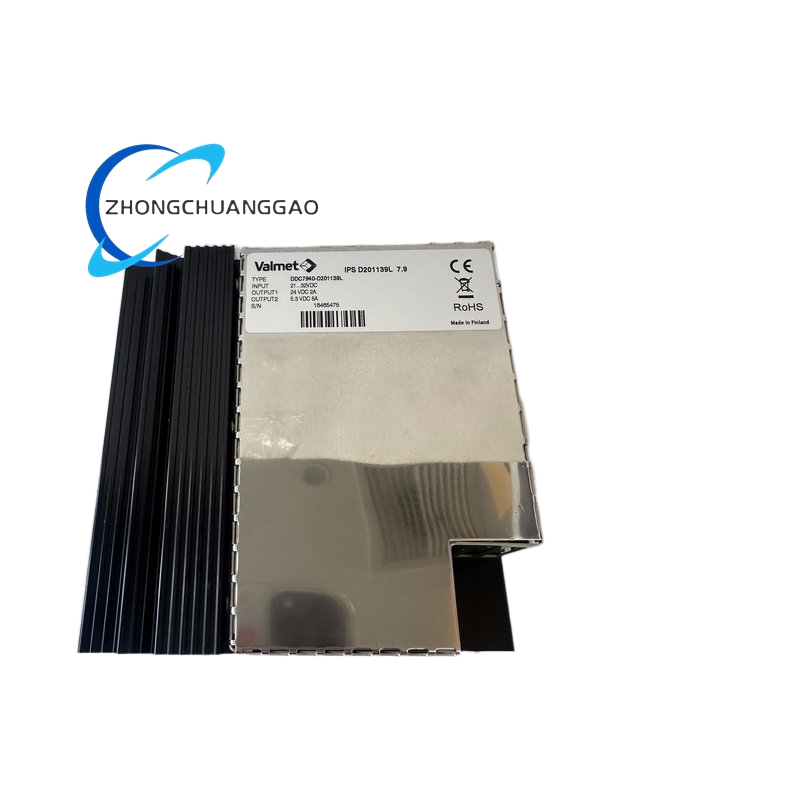
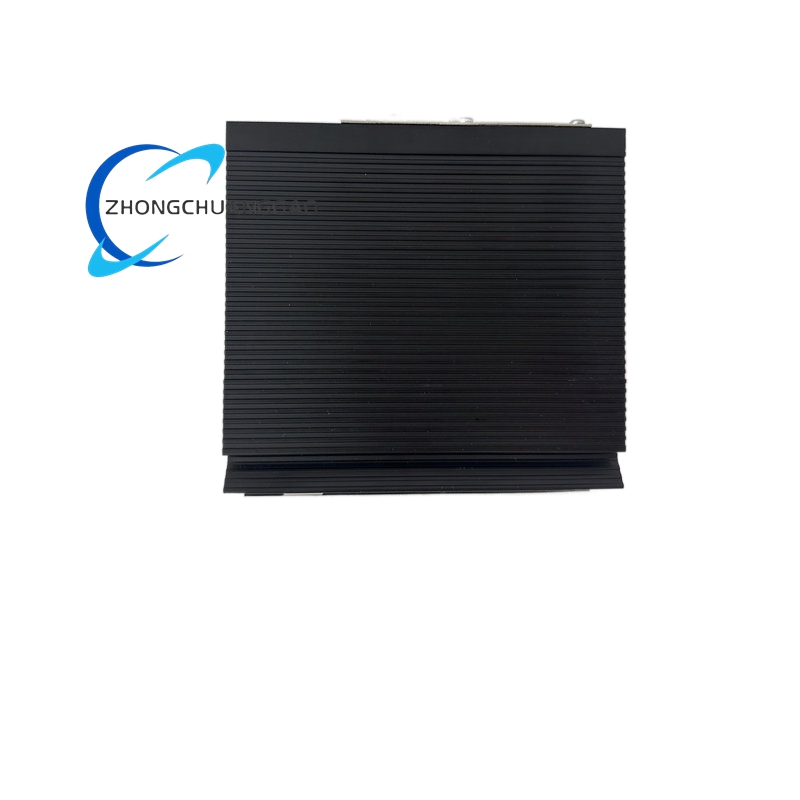
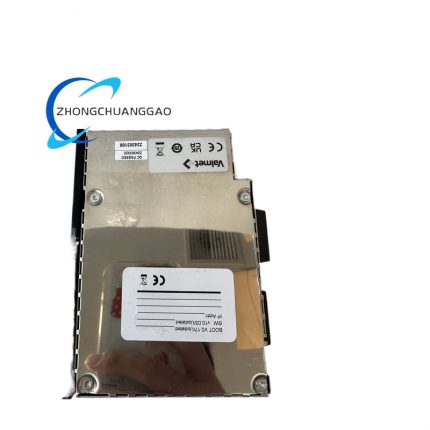
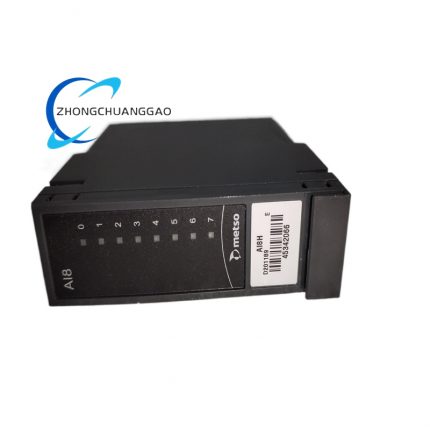
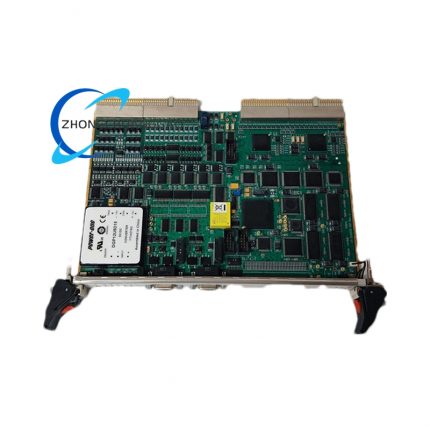
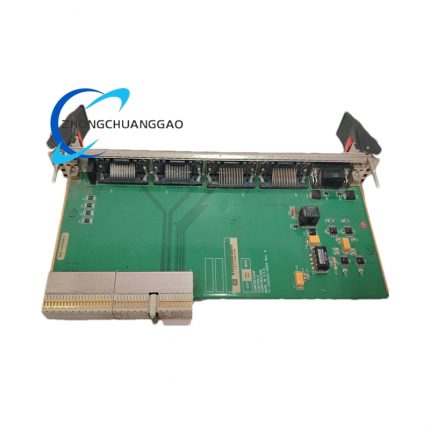
L-grade long-distance remote I/O personality module designed for Metso AP31 RT node remote terminal units, facilitating multi-drop digital bus communication between field remote racks and central DCS control room CPUs over extended cable distances.
Technical Specifications
- Backplane Operating Power: 24 V DC, 6.5 W maximum power consumption
- Primary Communication Bus: Metso proprietary DNA Fieldbus, RS-485 physical layer
- Maximum Remote Rack Cable Length: 1200 meters (L-grade extended distance rating)
- Supported Node Address Capacity: Up to 32 independent remote RT node racks per module
- Digital Signal Isolation: 1500 Vrms bus signal galvanic isolation
- Operating Temperature Range: -35 °C to +65 °C
- Physical Dimensions: 263 mm (H) × 58 mm (W) × 28 mm (D)
- Net Weight: 0.43 kg
- Certifications: CE, UL508A, ATEX Zone 2
Functional Features
- Built-in bus signal line driver amplifier for long-distance cable signal integrity preservation
- On-board fault diagnostic LED array for bus short, open circuit, and node address conflict detection
- Automatic bus termination resistor switching software configurable via DCS workstation
- Multi-channel signal surge protection for lightning-induced transient voltage suppression
- Real-time remote rack health status reporting to central DCS historian database
Material Composition
- Enclosure: UL94-V0 flame retardant reinforced ABS plastic
- Communication PCB: Multi-layer FR4 fiberglass board with gold-plated bus traces
- Surge Protection Components: Gas discharge tube transient suppressors
- Backplane Connector: Gold-plated copper pin header assembly
Structural Characteristics
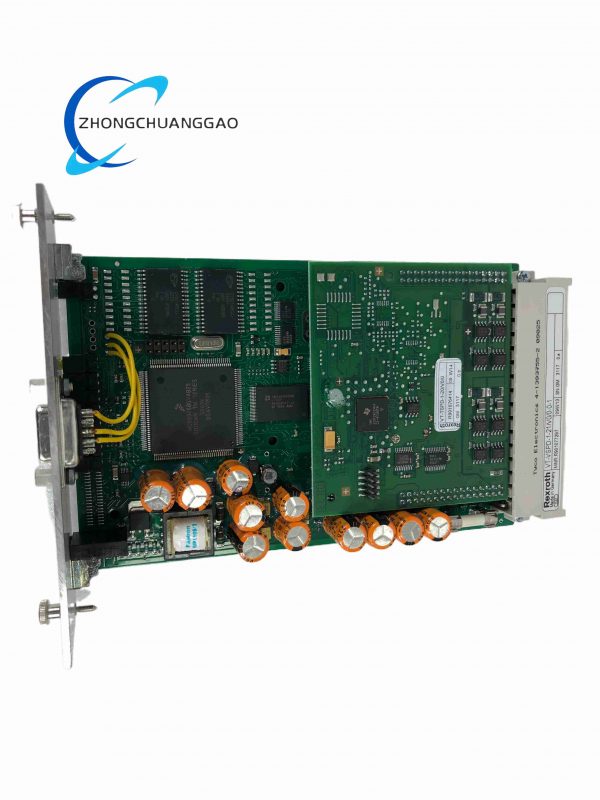
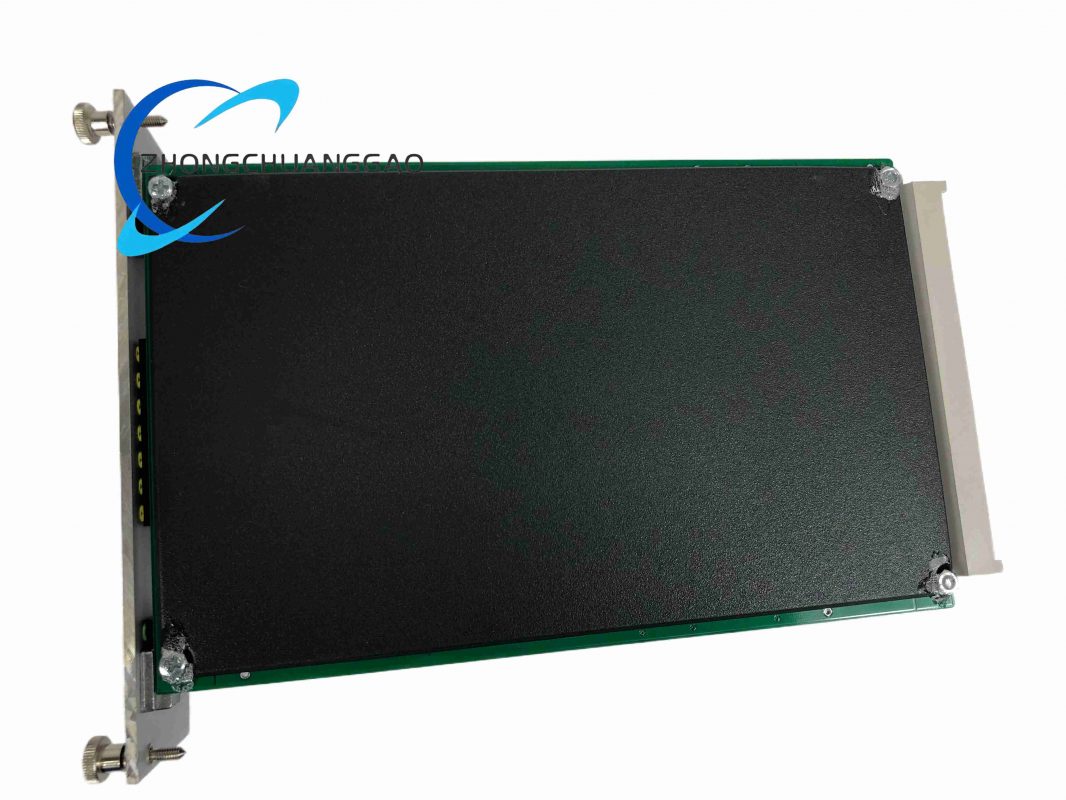
- Dual-slot wide rack mount form factor for standard Metso central and remote I/O racks
- Rear external terminal strip for field RS-485 bus cable termination
- Internal integrated signal amplification circuit isolated from backplane logic power
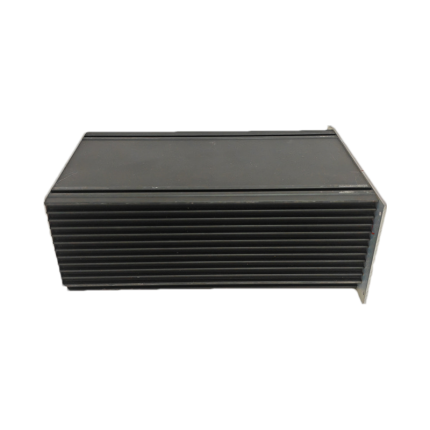
- Side passive heat dissipation ribbed enclosure design
Working Principle
Digital communication packets transmitted from the central DCS CPU backplane bus are received by the module’s local microcontroller, amplified by the dedicated long-distance signal driver circuit, and transmitted over the RS-485 field bus cable to distributed remote RT node racks. Return status and measurement data from remote I/O racks pass through galvanic isolation circuits, signal conditioning, and are buffered before forwarding to the central CPU bus. On-board diagnostic circuits continuously monitor bus impedance, voltage levels, and node response timing to flag communication faults in real time.
Core Advantages
- L-grade 1200-meter maximum bus length eliminates requirement for intermediate signal repeaters
- 1500 Vrms full bus isolation prevents ground loop induced communication dropout
- Automatic bus termination resistor configuration reduces field wiring setup labor
- Multi-stage surge protection withstands industrial site lightning transient events
- Compatible with all Metso AP31 RT remote terminal node hardware generations
Applicable Industries
Large-scale open-pit mining conveyor control, wide-area pulp & paper mill distributed process lines, chemical plant multi-unit remote reactor monitoring, large thermal power station boiler auxiliary I/O, municipal water treatment plant distributed pump stations
Installation Mandatory Requirements
- Mount within sealed temperature-controlled electrical cabinet racks only
- Field bus cable must be shielded twisted pair with 120 Ω characteristic impedance
- Bus cable shielding single-point grounding at central control room rack only (no remote end grounding)
- Maintain maximum 32 remote node devices per single D201139L module bus segment
- Separate field bus wiring from high-voltage motor power cables by minimum 30 cm clearance
Operational Maintenance & Usage Restrictions
- Annual bus impedance resistance testing required for all long-distance cable runs
- Total bus cable length must not exceed 1200 meter maximum L-grade rating
- Do not connect non-Metso third-party RS-485 devices to module bus terminals
- Ambient operating temperature must not drop below -35 °C without cabinet heating
- Hot-swap module replacement requires temporary bus segment power de-energization
Reviews
There are no reviews yet.