Technical Specifications
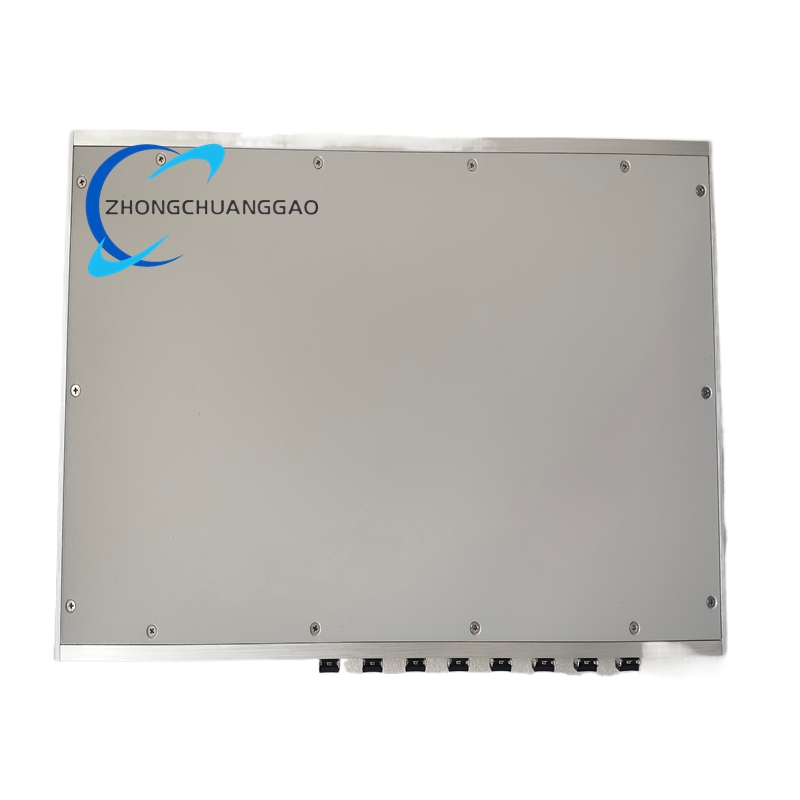
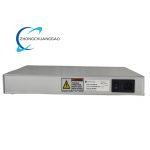
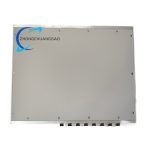
- Product Form Factor: 1U height standard 19-inch industrial rackmount chassis
- Optical Port Quantity: 8 hot-swappable SFP optical transceiver slots
- Native Data Rate: 2 Gbps serial optical reflective memory bus speed
- Supported Transceiver Types: Multimode SFP (short-range), Single-mode SFP (long-distance up to 10 km)
- Management Interfaces: 1 × 10BASE-T Ethernet RJ45 port, 1 × RS-232 DB9 serial management port
- Power Supply Input: Universal global AC input 85 ~ 264 V AC 50/60 Hz
- Rated Input Current: 1.2 A at 110 V AC, 0.6 A at 230 V AC
- Operating Power Consumption: 75 W maximum full-load operation
- Physical Dimensions: 448 mm (W) × 260 mm (D) × 44 mm (H)
- Net Weight: 3.2 kg
Functional Features
- Automatic faulty node bypass logic; disconnected or signal-loss optical ports isolated without interrupting remaining network nodes
- Per-port optical signal regeneration circuit eliminates fiber cable attenuation and signal jitter accumulation
- Hot-swappable SFP optical modules, field replaceable without full system power shutdown
- Ethernet web-based graphical management platform for network configuration, real-time node status monitoring and fault log export
- RS-232 serial command-line interface for local offline diagnostic and parameter setting
- Multi-unit cascading support; maximum system network capacity expanded to 256 computing nodes via hub stacking
- Built-in non-volatile flash storage for persistent network configuration parameters without backup battery
- Front panel LED array for each optical port link status, power supply normal, system fault alarm indication
Performance Parameters
- Maximum single fiber transmission distance: 10 km with single-mode SFP transceivers
- End-to-end network data latency: ≤ 400 ns between any two connected nodes
- Maximum allowable cascaded hub quantity: 4 units in series
- Optical port signal bypass response speed: ≤ 2 μs upon signal loss detection
- Internal memory replication bandwidth: 2 Gbps full-duplex per optical channel
- Operating temperature range: 0 °C ~ +70 °C
- Storage temperature range: -40 °C ~ +85 °C
- Relative humidity tolerance: 5% ~ 90% non-condensing
Material Composition
- Main chassis: Cold-rolled steel sheet integrated stamping, matte black anti-corrosion electrostatic coating
- Front panel: Thickened aluminum alloy with silk-screen printed port identification labels
- Optical port connectors: Gold-plated SFP slot copper alloy contacts
- Internal circuit board: FR-4 industrial flame-retardant PCB with tin-lead free solder process
- Power supply unit: Metal shielded switching power module with overcurrent and overheat protection
- Internal heat sink: Aluminum extrusion heat dissipation fins for main control chip
Structural Characteristics
- Standard 1U rack horizontal installation structure with integrated rack mounting brackets on both sides
- Front panel centralized layout of all optical SFP slots, management Ethernet, serial port and status LED indicators
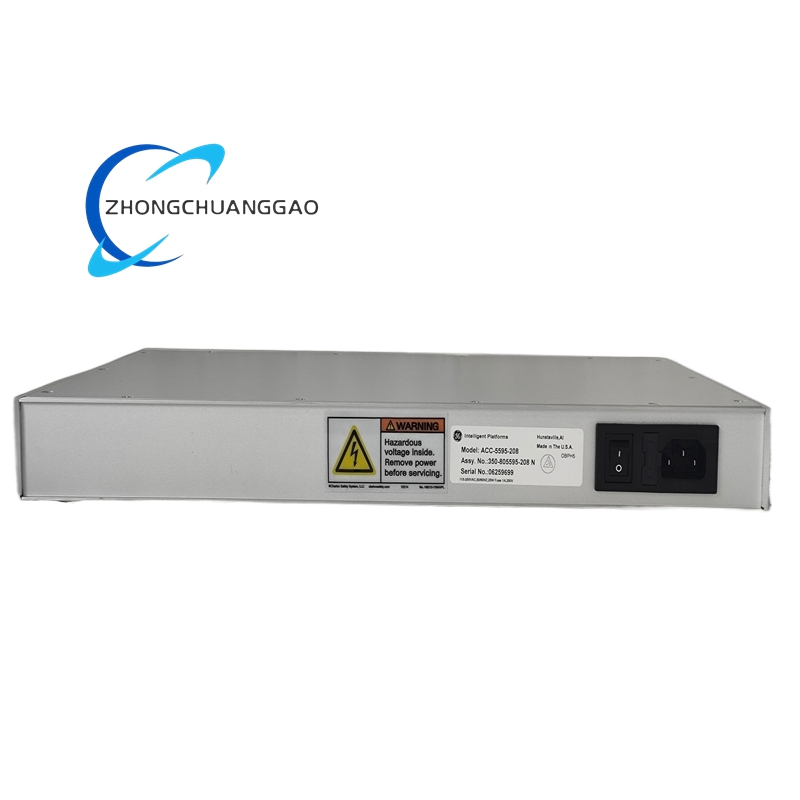
- Rear panel dedicated universal AC power input socket and ground terminal
- Independent internal isolation partition between optical signal circuit and power supply circuit to suppress electrical noise interference
- Built-in axial cooling fan with dust filter net for forced convection heat dissipation
- Internal cable routing fixed with plastic insulation cable ties to avoid loose wiring vibration damage
Working Principle
All reflective memory network computing nodes connect optical fiber cables to ACC-5595-208 SFP ports. The hub internal main control chip synchronously replicates all shared memory data frames received from any single optical port to all remaining active optical ports through signal regeneration circuits. When a port detects loss of valid optical synchronization signal, hardware bypass circuit immediately isolates the faulty port from internal data bus, ensuring normal data replication between all other connected nodes. Management interfaces transmit real-time port link state, network traffic and fault event data to user monitoring terminals via Ethernet or serial communication protocols.
Advantage Highlights
- Nanosecond-level ultra-low deterministic latency critical for real-time hardware-in-the-loop simulation systems
- Automatic fault bypass design eliminates single node failure causing full network collapse
- Mixed deployment of short-range multimode and long-distance single-mode fiber adapts distributed multi-room computing architecture
- Dual management interface (web Ethernet + serial CLI) supports remote and on-site equipment maintenance
- Universal wide-range AC power supply compatible with global industrial power grid standards
- Hot-swappable SFP modules reduce system downtime during optical transceiver replacement
Applicable Industries
Aerospace flight simulation hardware-in-the-loop test systems, vehicle dynamic simulation platforms, defense radar real-time data processing systems, power grid digital twin simulation equipment, semiconductor test high-speed distributed data acquisition, marine vessel real-time control simulation
Product Series
Abaco Systems VMIC 5595 Reflective Memory Hub Series (ACC-5595-208 8-port base model, ACC-5595-204 4-port compact variant)
Installation Requirements
- Install horizontally inside standard 19-inch industrial equipment cabinet with front panel exposed for port access
- Ensure minimum 50 mm vertical clearance above and below chassis for cooling fan air intake/exhaust
- Connect chassis protective ground terminal to cabinet copper ground bar with 4 mm² grounding wire
- Use only industrial-grade LC duplex optical fiber patch cords matching installed SFP transceiver type
- Complete hub power supply connection before inserting SFP optical modules to avoid hot-plug optical signal surge
Use & Maintenance Precautions
- Regularly clean front panel fan dust filter net every 2 months to prevent heat accumulation triggering over-temperature protection shutdown
- Do not bend optical fiber cables with bending radius less than 20 mm; fiber core fracture causes permanent port link failure
- Cover unused SFP slots with blank dust plugs to avoid dust contamination of gold-plated contacts
- Do not stack other heavy equipment directly on top of the 1U chassis to prevent internal circuit board deformation
- Export fault log files via web management platform immediately after port bypass fault occurs for root cause analysis
- Replace SFP transceivers with same model optical modules only; mixed multimode/single-mode transceivers cause link synchronization failure





Reviews
There are no reviews yet.