Technical Specifications
- Independent Encoder Feedback Axis Count: 24 differential digital quadrature input channels
- Supported Encoder Signal Standard: High-speed short-pulse differential A/B/Z line driver quadrature signals
- Maximum Single Channel Input Frequency: 16 MHz ultra-high frequency pulse processing rating
- Host Platform Compatibility: PMAC, PMAC-2, PMAC-3 all-generation motion control mainframes
- Logic Operating Supply Voltage: 5 VDC sourced from PMAC internal expansion backplane
- Operating Ambient Temperature Range: 0 °C to +60 °C industrial control cabinet environment
- Per-Axis Channel Galvanic Isolation Rating: 1,500 VDC optocoupler dielectric isolation
- Position Counter Hardware Resolution: 32-bit quadrature accumulator per independent motion axis
Functional Features
- High-speed short-pulse signal conditioning circuits supporting 16 MHz maximum encoder pulse frequency
- Grouped configurable differential line termination DIP switch arrays for matched cable impedance tuning
- Hardware index pulse capture latch registers for fast high-speed spindle homing and referencing cycles
- Per-channel group hardware loss-of-encoder-signal fault detection with front panel LED visual status indication
- Optimized FPGA timing logic minimizing pulse capture skew at maximum high-frequency pulse rates
Performance Parameters
- Aggregate maximum quadrature edge processing throughput: 152 million edges per second full card load
- Channel-to-channel pulse capture skew matching: ≤ 30 ns propagation delay deviation at 16 MHz input frequency
- Per-axis channel continuous dielectric isolation withstand voltage: 1,500 VDC
- Automatic counter rollover logic preserving continuous absolute position tracking data
- Rated MTBF: 540,000 operating hours at nominal +25 °C cabinet ambient temperature
- Minimum detectable index pulse width: 60 ns ultra-short pulse hardware trigger threshold
Material Composition
- Circuit board substrate: Low signal skew high-frequency FR4 industrial PCB laminate
- High-speed signal isolation hardware: Ultra-fast response linear optocoupler ICs
- Front panel multi-channel wiring headers: Gold-plated low-inductance pin terminal blocks
- Mechanical configuration hardware: Low-capacitance gold contact DIP switch bank arrays
- Chassis mounting enclosure panel: EMC shielding cold-rolled steel front bracket
Structural Characteristics
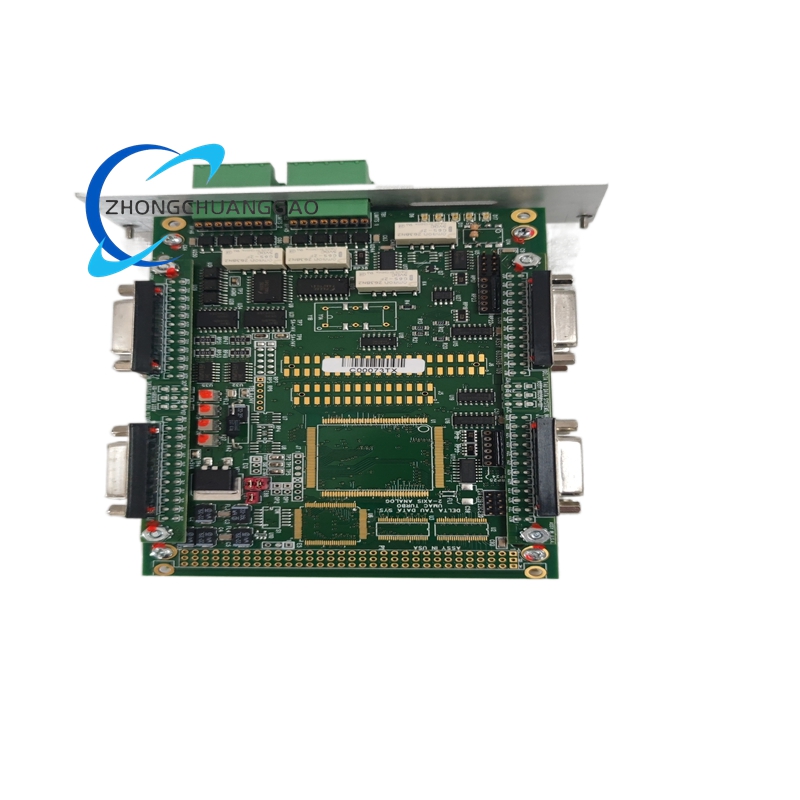
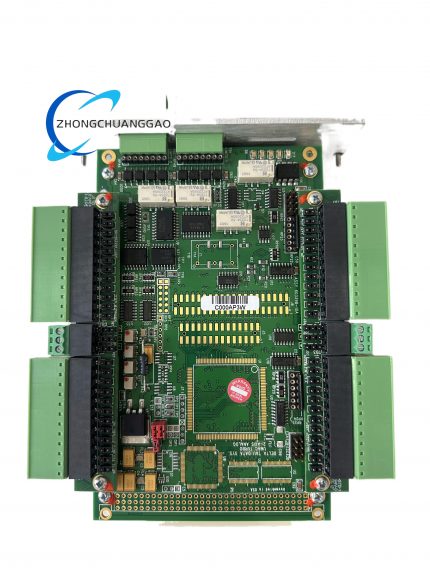
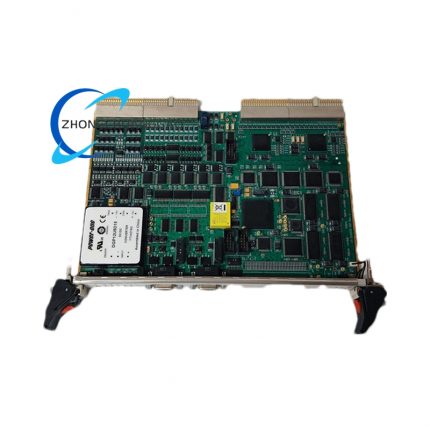
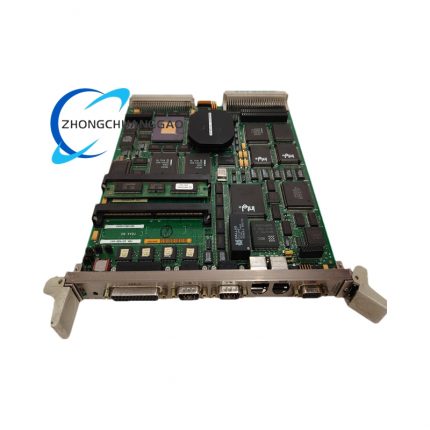
- Interchangeable mechanical footprint matching ACC-24E2 and ACC-24E2A PMAC expansion cards
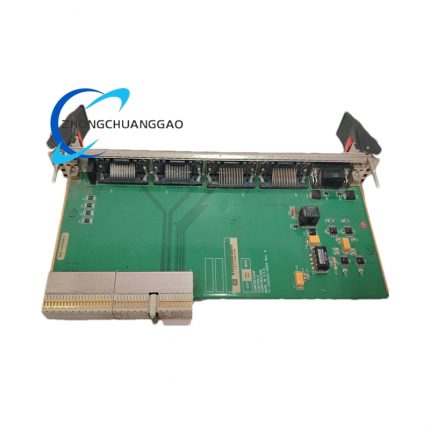
- Dual front panel multi-pin terminal headers partitioned into three separate 8-axis channel groups
- Front panel grouped LED indicator arrays for power, backplane communication, and channel group signal loss faults
- Standard edge connector mating interface fully compatible with all PMAC series backplane expansion slots
- Optimized short trace PCB routing architecture to eliminate high-frequency signal cross-talk interference
Working Principle
Ultra-high frequency short differential quadrature pulse signals from high-RPM spindle encoders and fast linear transducers route to grouped front panel terminal headers. Low-skew high-speed optocoupler isolation circuits decouple encoder transducer electrical domains from PMAC control logic to suppress ground loop noise. Dedicated high-timing-precision FPGA hardware logic processes ultra-fast A/B quadrature pulse edges to continuously update independent 32-bit position accumulators across all 24 axes simultaneously. Short-duration index Z pulse signals trigger fast hardware latch registers to capture spindle home reference coordinates during machine calibration routines. The PMAC mainframe motion CPU retrieves all 24 axis real-time position register datasets via the expansion backplane bus to execute high-speed closed-loop spindle and linear motion PID control algorithms.
Core Advantages
- Doubled maximum single-channel encoder frequency rating compared to standard ACC-24E2 base model hardware
- Minimized channel-to-channel timing skew maintaining position synchronization on multi-spindle high-speed machinery
- Ultra-short index pulse detection capability compatible with compact high-RPM spindle encoder transducers
- Direct mechanical drop-in replacement for ACC-24E2 without chassis or wiring harness modification
- High aggregate pulse throughput eliminating multi-card expansion requirements for multi-spindle production equipment
Applicable Industries
High-speed multi-spindle CNC machining centers, high-RPM printed circuit board drilling machinery, textile high-speed spinning automation equipment, multi-axis high-speed packaging robotics, automotive engine component high-speed test rigs, aerospace high-speed composite cutting spindles
Installation Requirements
- Perform complete PMAC mainframe power shutdown prior to ACC-24E2S card insertion or removal operations
- Precisely align backplane edge connector pins with PMAC expansion slot receptacles to avoid pin bending damage
- Secure steel front panel mounting bracket to controller chassis with factory standardized screw torque value
- Adjust grouped DIP switch termination resistance settings to match differential impedance of high-frequency encoder cabling
- Deploy high-frequency low-capacitance shielded twisted pair wiring for all encoder feedback channel connections
Usage Precautions
- Cabinet ambient temperature exceeding +60 °C induces FPGA timing drift and high-frequency pulse capture errors
- All high-speed encoder cable shielding must terminate to single-point chassis ground to block radio frequency interference
- Signal loss fault events require full spindle/axis re-homing calibration procedures for affected channel groups
- Maintain strict physical separation between high-frequency encoder wiring and variable frequency drive power cabling
- Execute full PMAC mainframe power cycle after modification of on-card DIP switch termination configuration values





Reviews
There are no reviews yet.