Technical Specifications
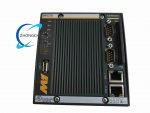
Controller platform: Bachmann M1 system, MPC200 processor family
Standard CPU: embedded Celeron or Pentium III architecture, 400 MHz, 650 MHz or 700 MHz according to configuration
Standard MPC270 variant: Pentium III 700 MHz
Working memory: 128 MB DRAM standard, 64 MB available in reduced configurations
Data memory: 512 kB battery-backed SRAM and 64 kB FRAM or nvRAM according to variant
Program memory: internal flash plus CompactFlash or PC card, 8 MB internal system flash, additional CompactFlash or PCC program storage according to model
Serial interfaces: one RS232 port, one RS232 or RS422 or RS485 port
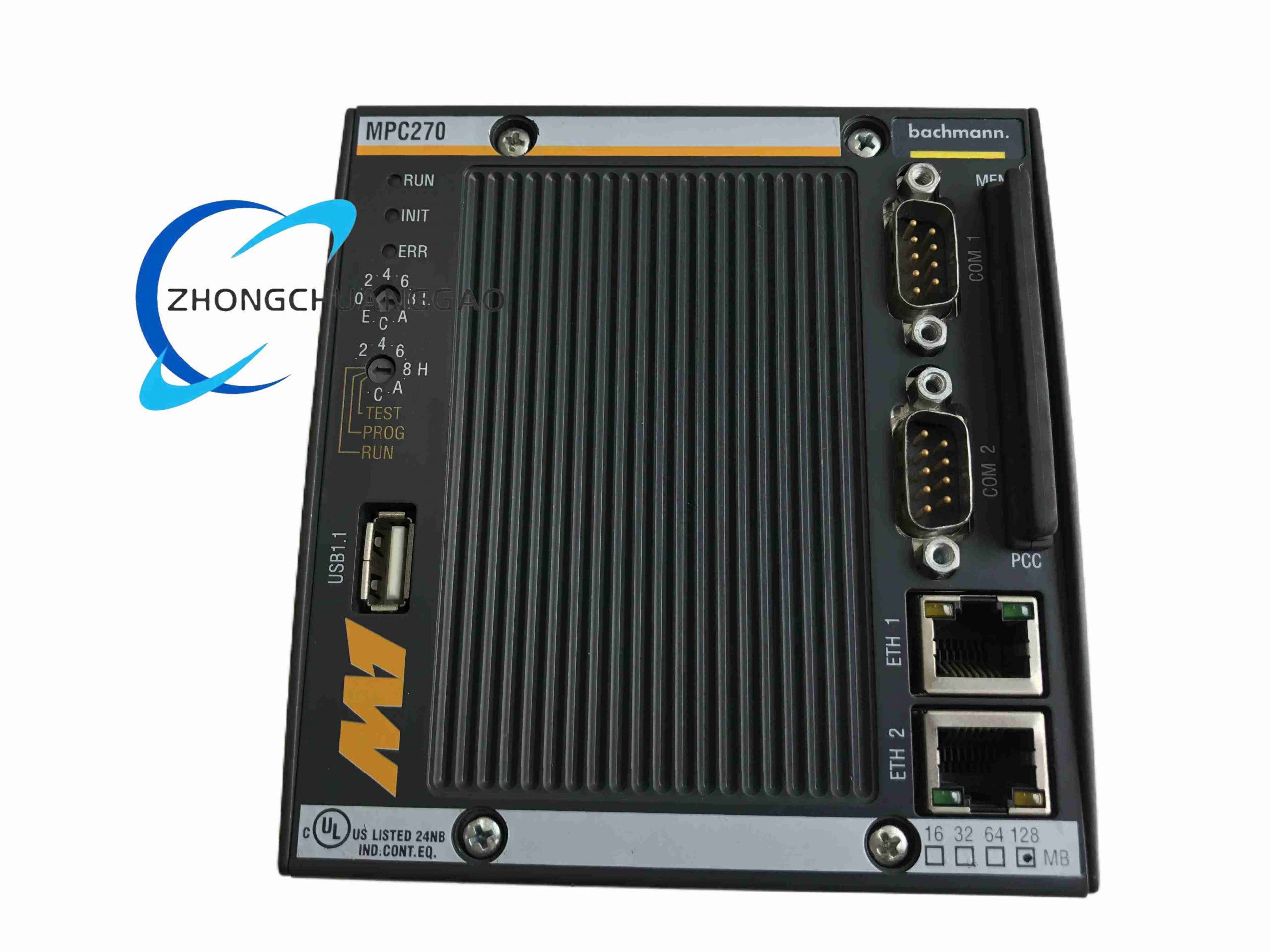
Ethernet interfaces: two 10/100 Base-TX ports
USB interface: one USB 1.1 port
Real-time clock: battery-backed RTC
Watchdog: integrated hardware watchdog
Status indication: three LEDs for run, initialization and error conditions
CPU identification: rotary hexadecimal switch for station or CPU ID selection
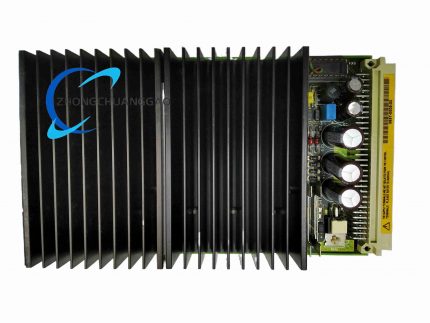
Power supply: 5 V and ±15 V through M1 backplane from external power module
Operating temperature: 0 °C to +60 °C fanless standard
Cold-climate variant operating temperature: -30 °C to +60 °C fanless
Storage temperature: -40 °C to +85 °C
Humidity: 5% to 95% non-condensing
Dimensions: 110 mm width, 119 mm height, 61 mm depth
Weight: approximately 650 g
Approvals: CE, cULus, CCC, DNV GL, LR, ABS, BV according to configuration
Functional Features
PC-based architecture supports complex control algorithms, data logging and high-level communication. Dual Ethernet ports enable separated plant and engineering networks or redundant communication structures. The combined serial ports support legacy devices and configuration terminals. FRAM or battery-backed SRAM retains critical process data during power interruption. Integrated synchronization pulse supports SERCOS, CAN and Ethernet fieldbus coordination. Rotary CPU-ID switch simplifies multi-processor rack addressing.
Application Scenarios
Process automation, pulp and paper machinery, packaging lines, web tension and multi-axis coordinated drive systems, power and energy control skids, marine systems, building automation, and M1 distributed control installations requiring PC-level processing with deterministic I/O.
Performance Parameters
Pentium III 700 MHz execution provides high-speed logic processing, large program handling and simultaneous communication across Ethernet, serial and fieldbus networks. Dual 10/100 Ethernet ports support 100 Mbps station communication, Modbus TCP, Bachmann system protocols and engineering access. RS232/RS422/RS485 port supports legacy instrumentation and third-party controller integration. Real-time clock and watchdog maintain scheduled operation and automatic fault recovery.
Material Composition
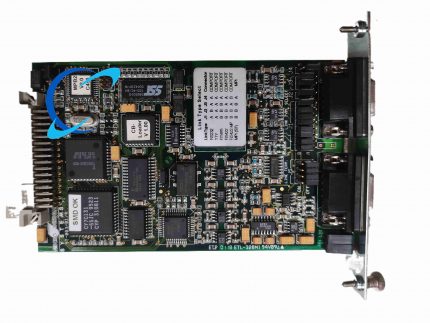
Multilayer processor printed circuit board, industrial-grade integrated circuits, aluminum or steel mounting bracket, plastic front panel elements, battery holder for RTC and SRAM backup, and gold-plated backplane connector contacts.
Structural Characteristics
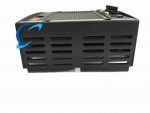
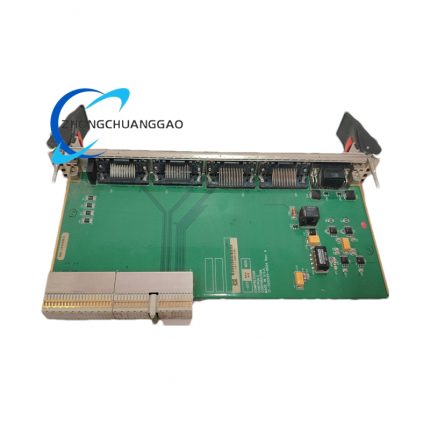
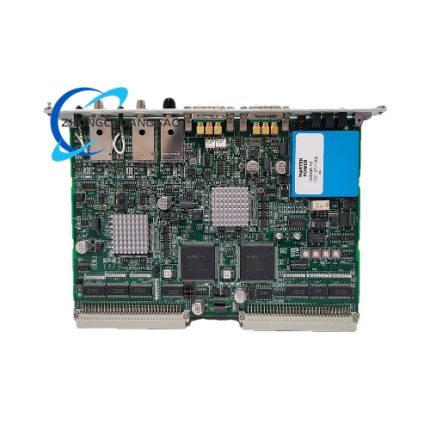
Single M1 processor module with embedded CPU, memory banks, CompactFlash or PC card socket, Ethernet transceivers, serial driver stage, USB controller, RTC battery compartment, watchdog logic, three status LEDs, rotary hexadecimal switch, and backplane connector for power and system bus.
Working Principle
The MPC270 loads the control application from internal flash, CompactFlash or PC card into DRAM. The CPU executes control tasks, reads input data from M1 backplane I/O modules, writes output commands to the backplane, and exchanges data through Ethernet, serial and fieldbus interfaces. The watchdog monitors program execution and triggers restart or fault indication when abnormal conditions occur. The synchronization pulse distributes timing references to connected fieldbus drives and I/O stations.
Installation Requirements
Mount the module in the designated processor slot of the M1 rack. Connect the external power module supplying 5 V and ±15 V to the backplane. Seat the CompactFlash or PC card before power-up when program storage is used. Configure CPU ID using the rotary hexadecimal switch according to the system topology. Connect Ethernet cables to separated network segments where redundancy or plant/engineering separation is required. Install the rack in a grounded cabinet with adequate ventilation.
Usage Precautions
Replace RTC and SRAM backup batteries according to the maintenance schedule. Use identical firmware, application version and CPU configuration in redundant or multi-processor systems. Avoid electrostatic discharge when handling memory cards. Verify Ethernet IP settings and serial protocol parameters before commissioning. Inspect LED status regularly and maintain project backups on external media.






Reviews
There are no reviews yet.