Technical Specifications
- Maximum Subsea Operating Depth: 3,000 meters
- Nominal Input Supply Voltage: 24 VDC; operating voltage window 18–30 VDC
- Drive Output Channel Quantity: 24 digital solenoid drive output channels
- Feedback Input Channels: 12 analog valve position sensing channels (4–20mA)
- Native Communication Interface: Cameron proprietary subsea twisted pair field bus
- Operational Temperature Range: -2 °C ~ +60 °C submerged; -40 °C ~ +85 °C storage
- Hydrostatic Pressure Rating: 300 bar continuous pressure resistance
- Insulation Standard: Class H high-temperature encapsulated insulation
Functional Features
- High-current solenoid drive circuits with individual channel current limiting protection
- Independent analog signal filtering for valve position feedback sensors
- Full galvanic isolation between drive power circuits and low-level sensing circuits
- Continuous per-channel fault monitoring for open/short actuator wiring faults
- Encapsulated shock-resistant circuit design for seabed vibration conditions
Performance Parameters
- Solenoid drive peak output current: 1.2 A per independent channel
- Analog feedback signal resolution: 16-bit per sensing channel
- Digital drive signal response latency: ≤ 1.0 ms
- Inter-channel isolation dielectric strength: 2,500 VAC
- Rated continuous service lifespan: 25 years subsea submerged operation
- MTBF rating: 395,000 operating hours under nominal seabed temperature
Material Composition
- Main pressure housing: UNS S32750 super duplex stainless steel casting
- Circuit base material: High thermal conductivity FR4 high-temperature laminate
- Internal encapsulant: Marine two-component polyurethane pressure-resistant potting resin
- Connector contact pins: Gold-plated beryllium copper corrosion-resistant alloy
- Pressure sealing components: FFKM perfluoroelastomer high-pressure gaskets
Structural Characteristics
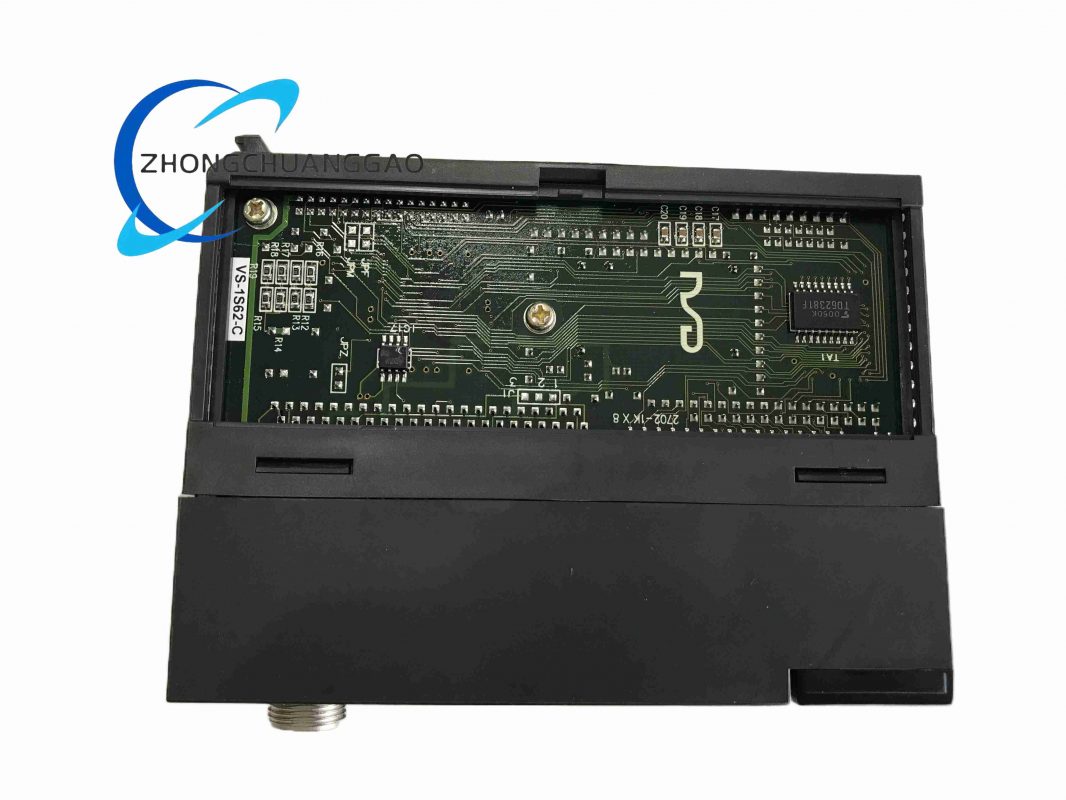
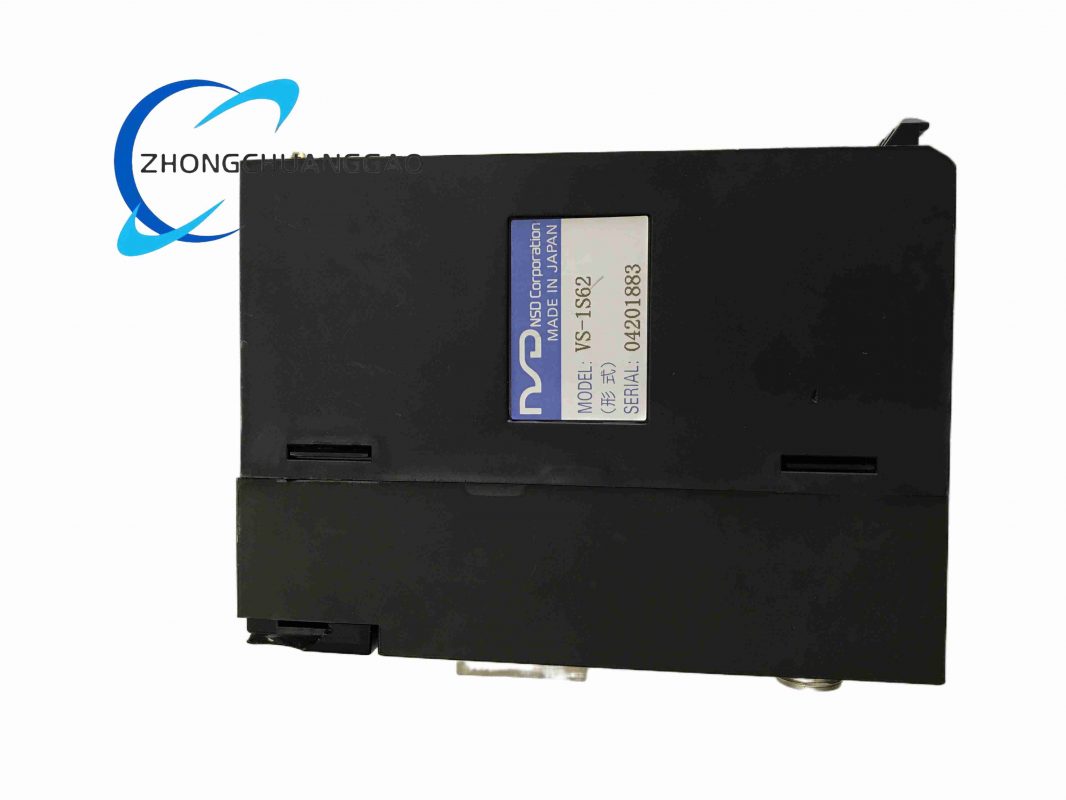
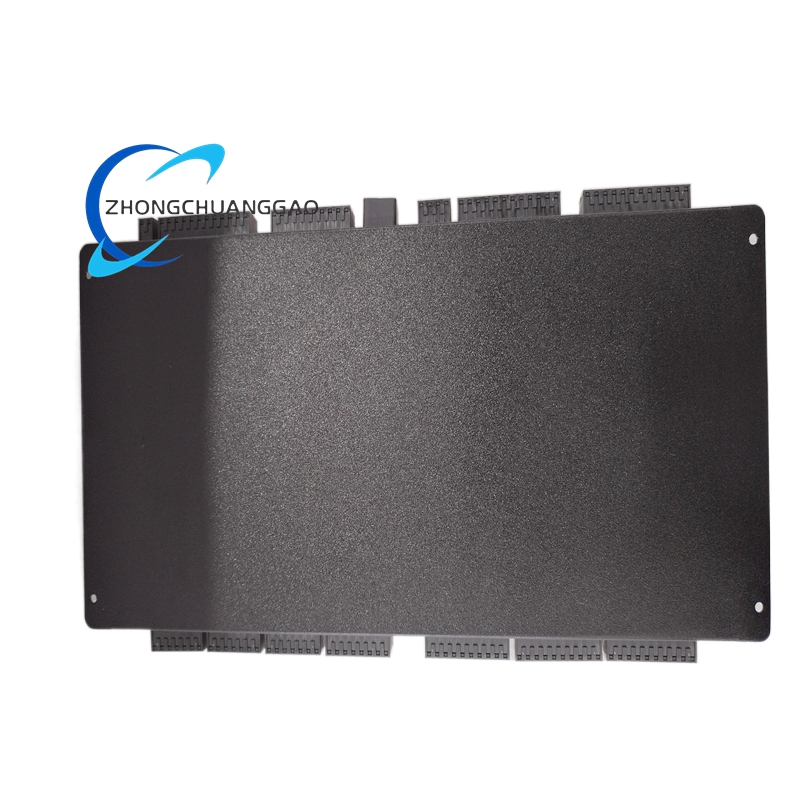
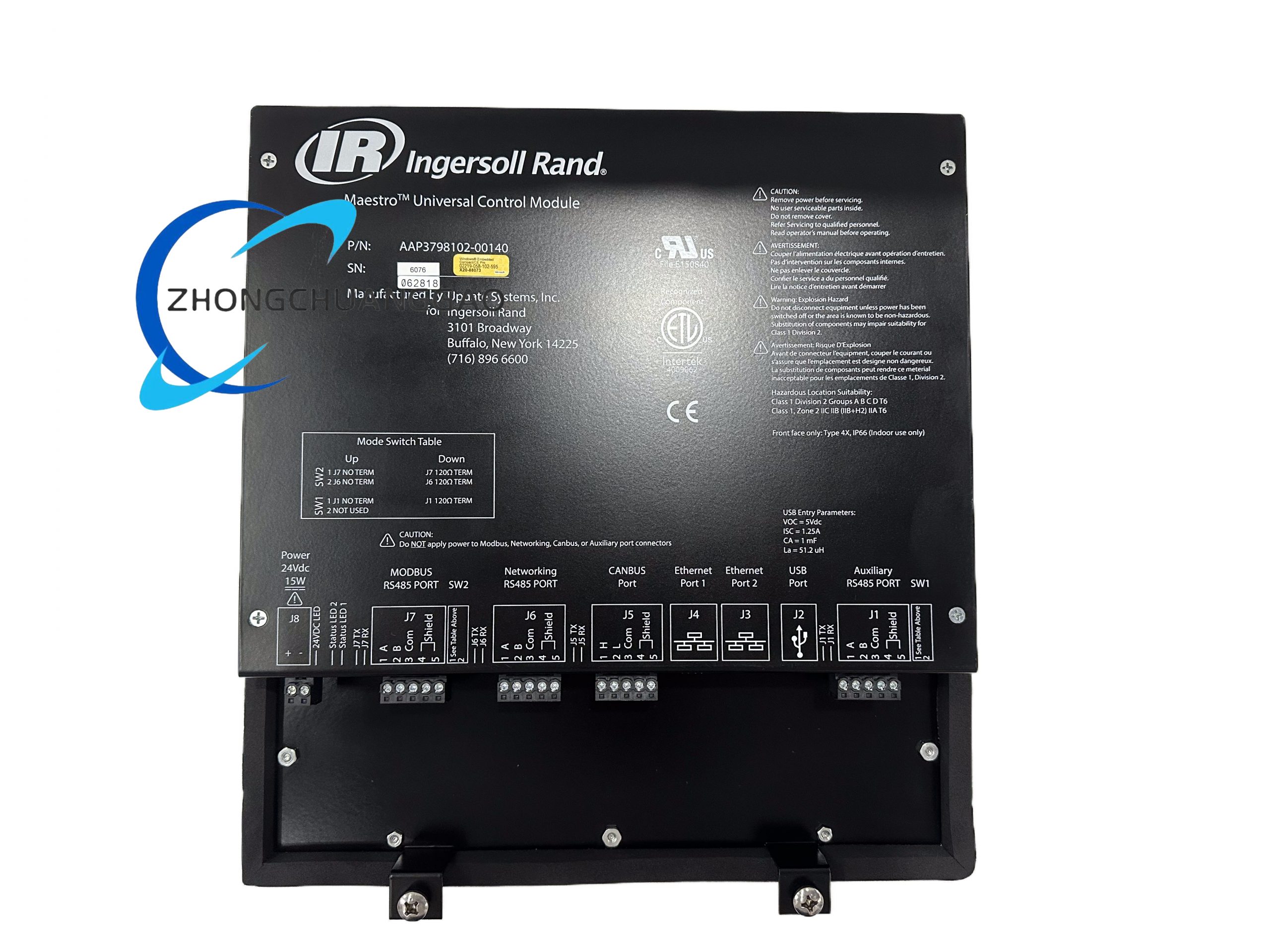
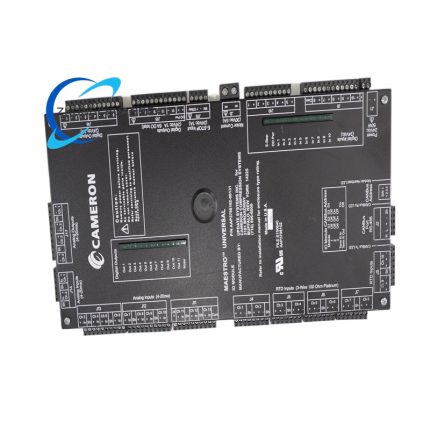
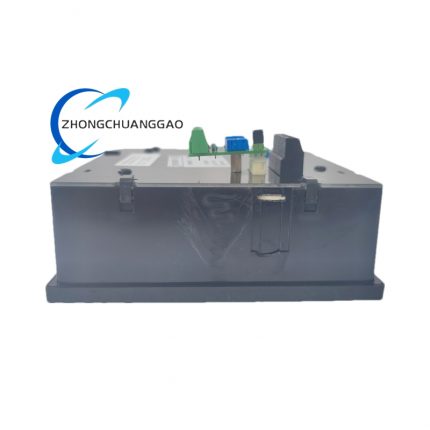
- Extended rectangular pressure vessel housing for expanded channel layout
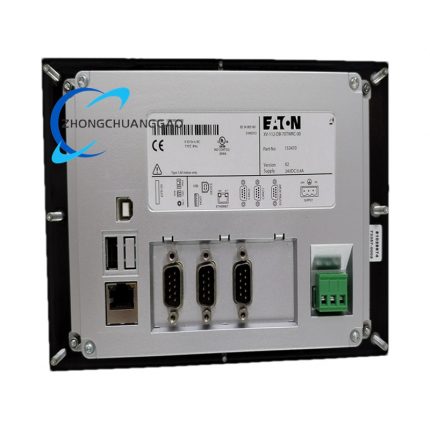
- Dual wet-mate subsea connector ports: one bus power input, one multi-actuator output
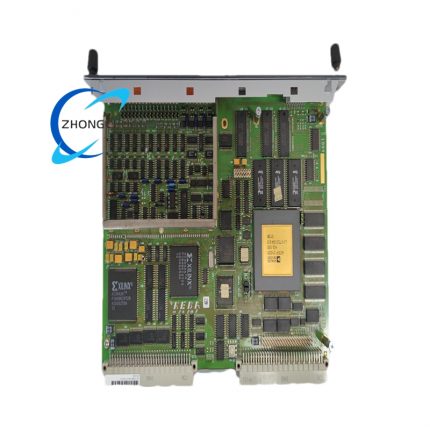
- Segregated internal circuit layers: high-current drive layer isolated from low-signal sensing layer
- Integrated dual mounting lugs for heavy-duty subsea structural bolt mounting
- Internal reinforced rib structure to mitigate hydrostatic pressure deformation
Working Principle
Umbilical power and communication signals enter the module through primary wet-mate connector. Internal voltage regulation circuits convert raw umbilical supply to stabilized 24 VDC drive power. Bus communication logic decodes surface valve actuation commands and activates corresponding high-current drive channels to energize subsea hydraulic solenoids. Position feedback signals from valve displacement sensors pass through analog filtering and analog-to-digital conversion circuits. Digitized position data is packaged into bus data frames and transmitted upstream to surface control systems. Full polyurethane encapsulation prevents seawater penetration under extreme seabed pressure.
Core Advantages
- 50% higher actuator channel density versus AAP3798102-00131 base model
- Independent current limiting protection eliminates cascaded channel failure
- Duplex stainless steel housing eliminates external anti-corrosion coating requirements
- Built-in real-time actuator wiring fault detection reduces subsea intervention frequency
- Standard Cameron wet-mate connector architecture for interchangeable field replacement
Applicable Industries
Deepwater offshore oil production, subsea tree valve array control, subsea hydraulic manifold automation, offshore floating production storage & offloading (FPSO) subsea systems, marine geothermal subsea monitoring
Installation Requirements
- Secure mounting lugs to subsea structural frames using M12 super duplex stainless steel bolts with 45 N·m uniform torque
- Maintain minimum 200 mm unobstructed clearance around housing for passive thermal dissipation
- Complete full locking sequence for both wet-mate connectors prior to module power activation
- Attach dedicated cathodic protection bonding cable to housing grounding terminal
- Position module vertically or horizontally only; inverted overhead mounting prohibited
Usage Precautions
- Power supply must be disconnected before disengagement of wet-mate connectors to prevent seawater arcing damage
- Immediate surface diagnostic review required if any drive channel overcurrent fault is triggered
- Unencapsulated internal circuit components cannot be exposed to ambient humidity longer than 1.5 hours
- Heavy mechanical impact to pressure vessel housing permanently voids depth pressure certification
- Quarterly remote channel diagnostic scans mandatory to validate drive circuit integrity






Reviews
There are no reviews yet.