
Technical Specifications
- Operating Depth Rating: 3,000 meters maximum subsea immersion
- Supply Input Voltage: 24 VDC nominal, allowable range 18–30 VDC
- Signal Channel Count: 16 bidirectional digital I/O channels, 8 analog 4–20mA input channels
- Communication Bus Protocol: Cameron proprietary subsea twisted pair communication bus
- Operating Temperature Range: -2 °C to +60 °C submerged; -40 °C to +85 °C storage
- Pressure Housing Rating: 300 bar internal pressure resistance
- Insulation Class: Class H full potting insulation
Functional Features
- Isolated signal routing eliminating ground loop interference in multi-sensor subsea networks
- Overvoltage, reverse polarity, and short-circuit hardware protection circuits integrated
- Real-time channel diagnostic feedback transmitted to surface master control station
- Galvanic isolation between power domain and low-level analog sensing circuits
- Passive thermal dissipation design without active cooling fans
Performance Parameters
- Analog signal resolution: 16-bit per analog input channel
- Digital signal switching latency: ≤ 0.8 ms
- Channel isolation voltage: 2,500 VAC between adjacent signal channels
- Service design life: 25 years continuous subsea operation
- MTBF value: 420,000 operating hours at rated subsea temperature
Material Composition
- Outer pressure vessel housing: Super duplex stainless steel UNS S32750
- Internal circuit substrate: High-temperature FR4 fiberglass reinforced laminate
- Encapsulation medium: Two-component marine-grade polyurethane potting compound
- Electrical connector terminals: Gold-plated beryllium copper alloy
- Sealing gaskets: Perfluoroelastomer FFKM high-pressure resistant elastomer
Structural Characteristics
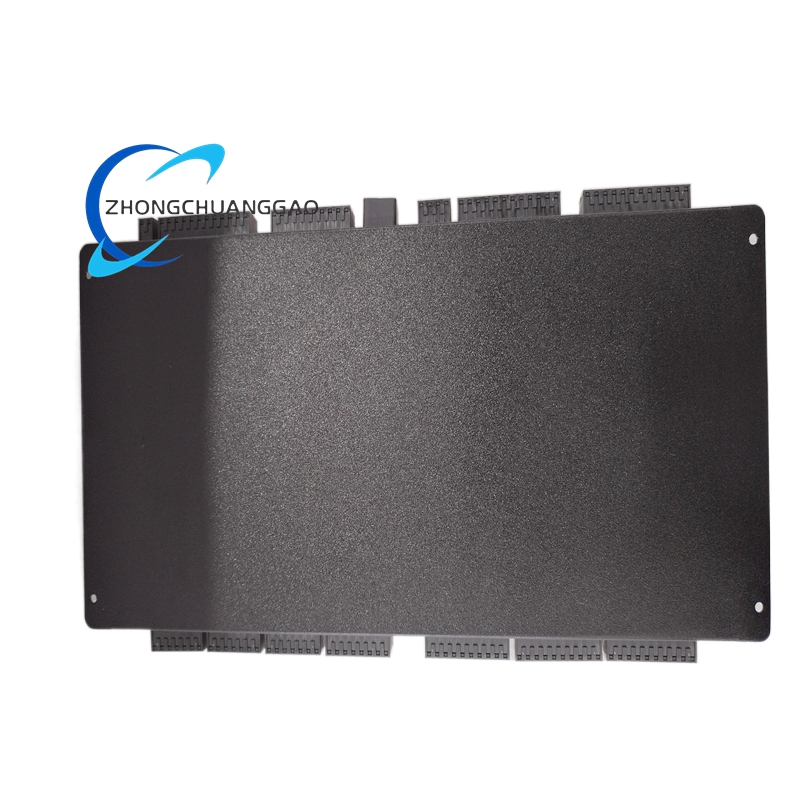
- Compact rectangular monolithic pressure housing construction
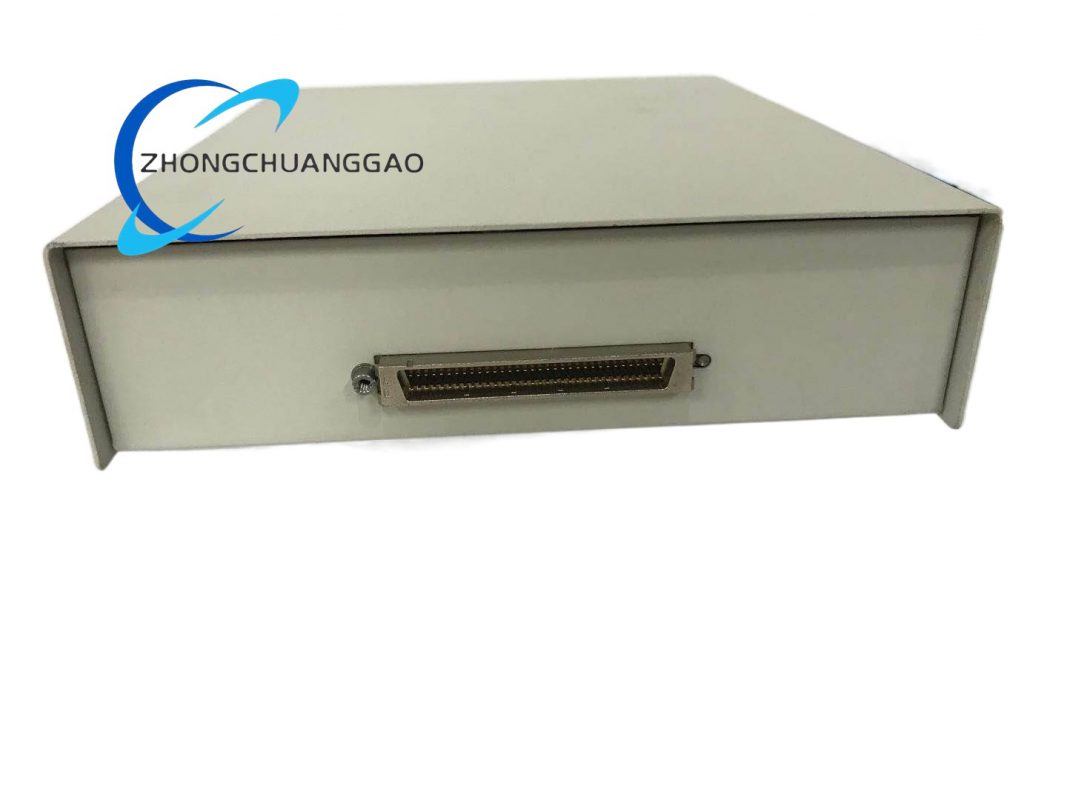
- Single-side subsea wet-mate connector interface port
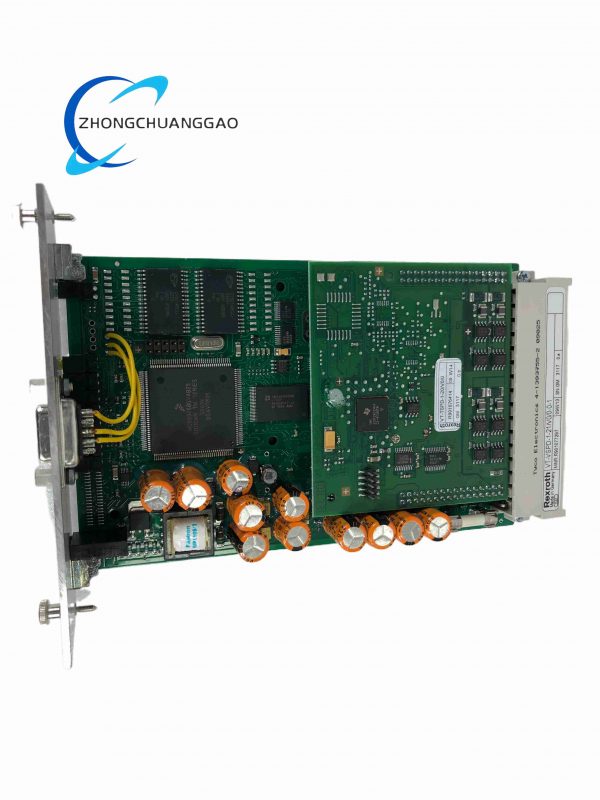
- Internal layered circuit board stacking layout for channel separation
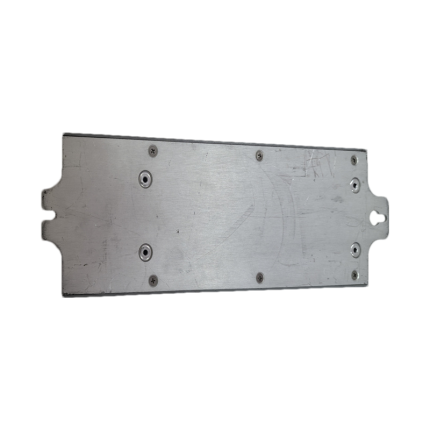
- Integrated mechanical mounting lugs for bolt fixation to subsea tree frame
- Internal partition barriers segregate power, analog, and digital circuit zones
Working Principle
Surface control unit transmits command and power signals through subsea umbilical cables to the module’s primary connector. Internal power conditioning circuits stabilize raw input voltage to regulated supply for peripheral transducers. Digital logic circuits decode bus commands to switch discrete output signals to subsea valve actuators. Analog front-end circuits condition weak sensor feedback signals, digitize analog readings, and package all data frames for upstream transmission to surface monitoring systems. All circuits remain fully encapsulated to block seawater ingress and resist high hydrostatic pressure.
Core Advantages
- Full deepwater pressure certification without external secondary pressure housing
- Corrosion-resistant duplex stainless construction compatible with seawater brine environments
- Built-in continuous channel self-diagnosis to eliminate unplanned subsea retrieval
- Wide temperature operating window for variable seabed thermal conditions
- Standardized Cameron subsea connector interface for plug-and-play field replacement
Applicable Industries
Offshore petroleum extraction, deepwater subsea production systems, subsea manifold control, subsea wellhead monitoring, marine energy subsea infrastructure
Installation Requirements
- Mount module only on horizontal or vertical load-bearing subsea structural frames with M12 stainless steel bolt fasteners
- Torque all mounting bolts to specified 45 N·m uniform torque value
- Complete wet-mate connector mating procedure per Cameron subsea connection standard to prevent water intrusion
- Maintain minimum 150 mm clearance around housing for passive heat dissipation
- Install dedicated seawater cathodic protection bonding wire to module housing lug
Usage Precautions
- Never energize module before fully completing connector wet-mate locking sequence
- Discontinue operation immediately if surface diagnostic reports channel insulation fault
- Do not expose unpressurized internal circuit components to atmospheric moisture for over 2 hours
- Prohibit mechanical impact or shock loading to pressure vessel housing during handling
- Annual surface-side remote diagnostic scan mandatory to validate channel integrity
Reviews
There are no reviews yet.