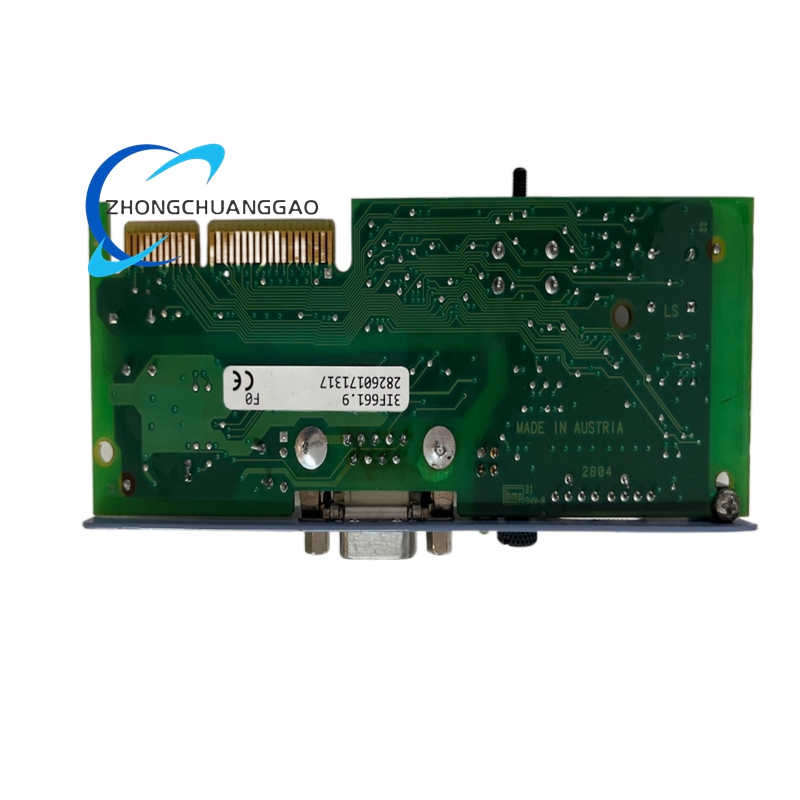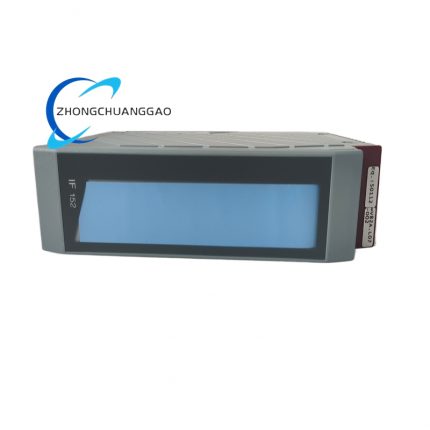

B&R 3IF661.9

Product Introduction

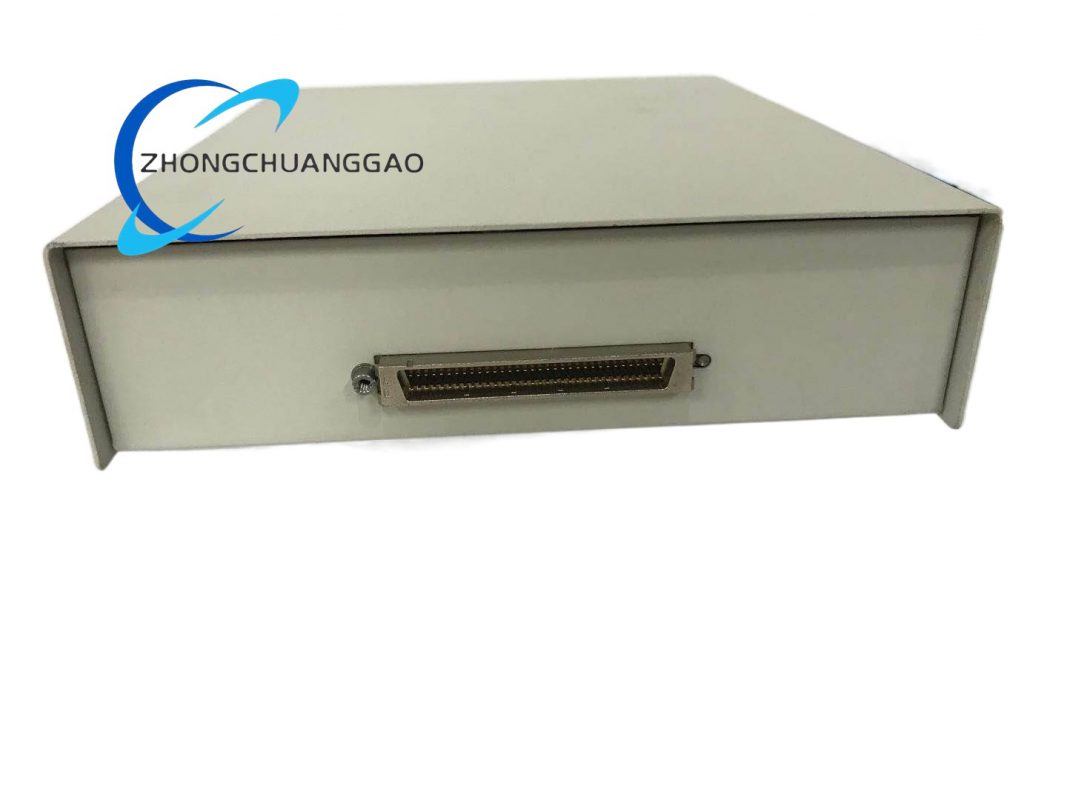
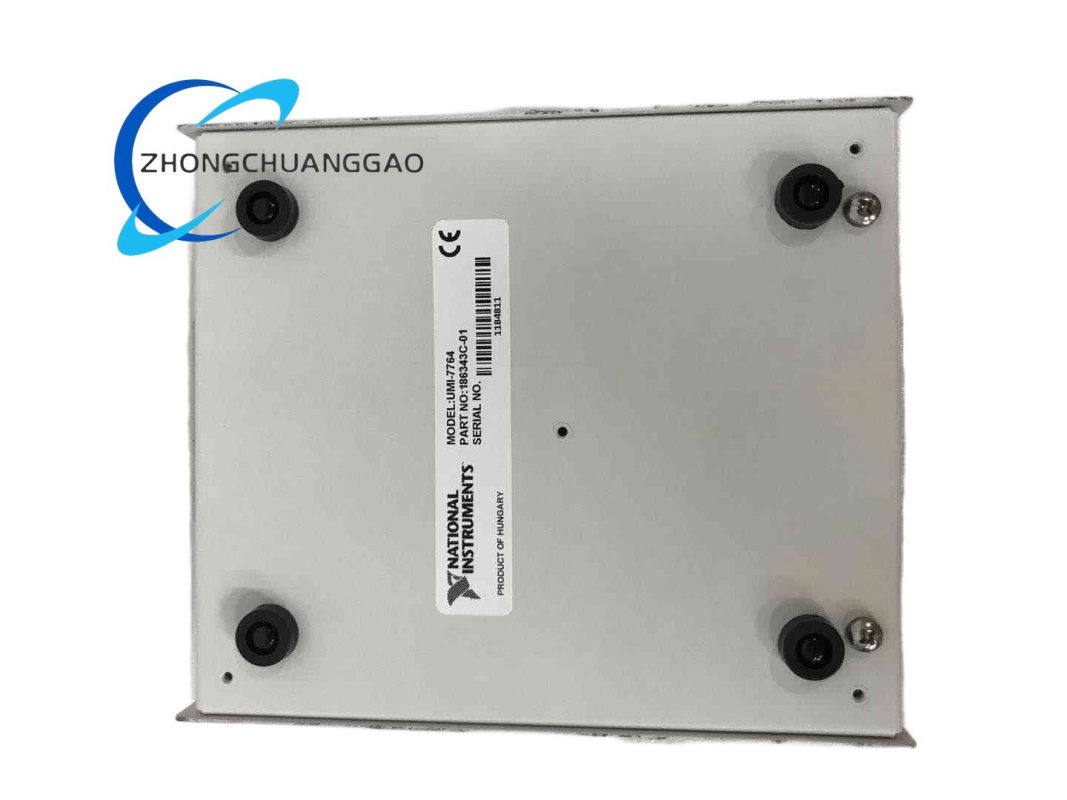
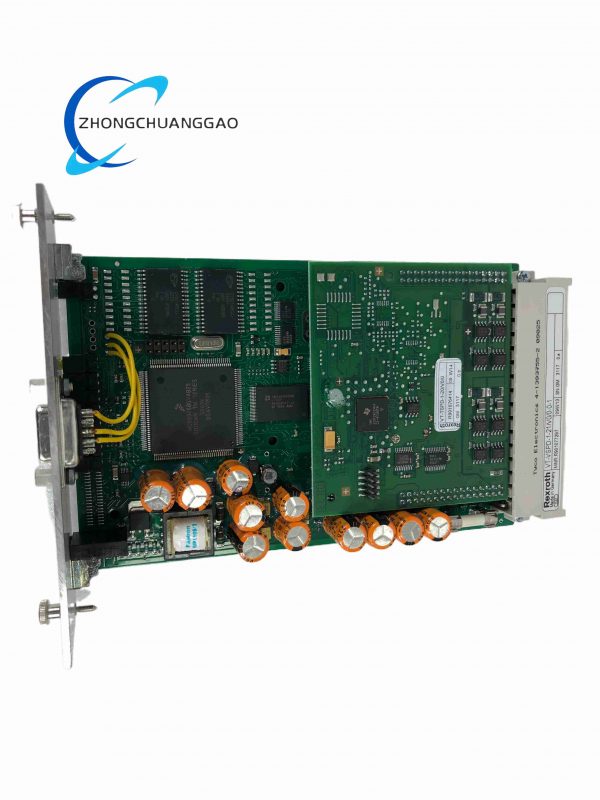
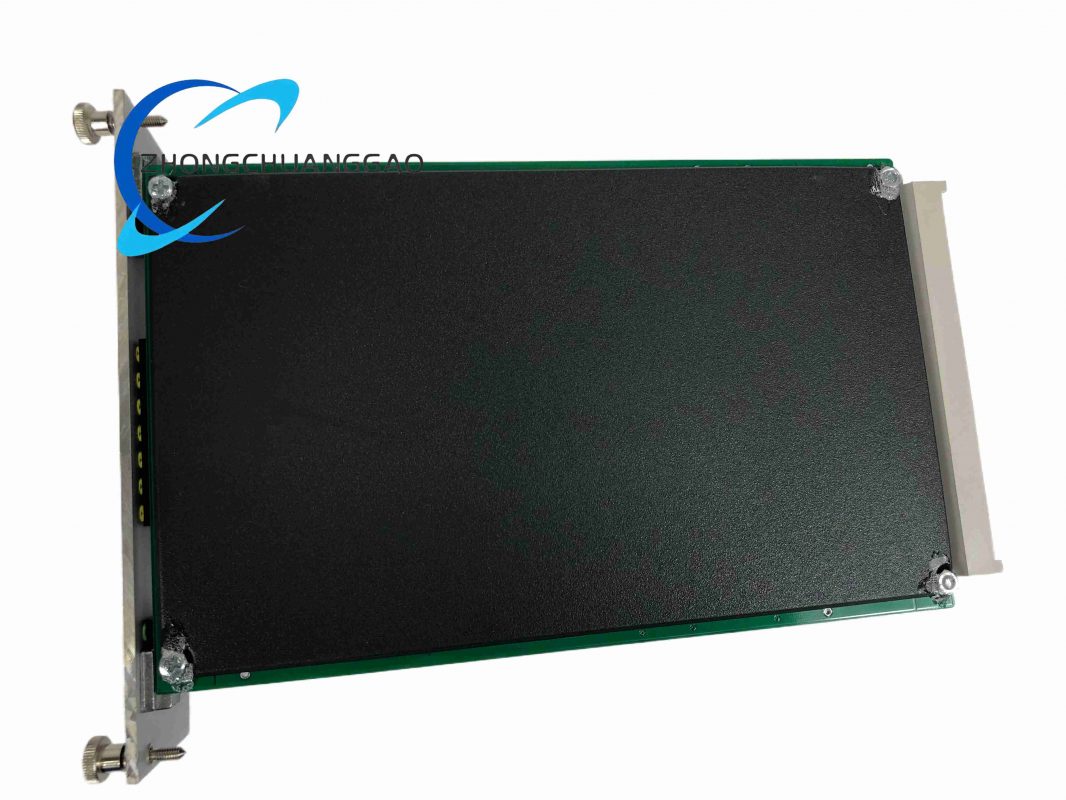
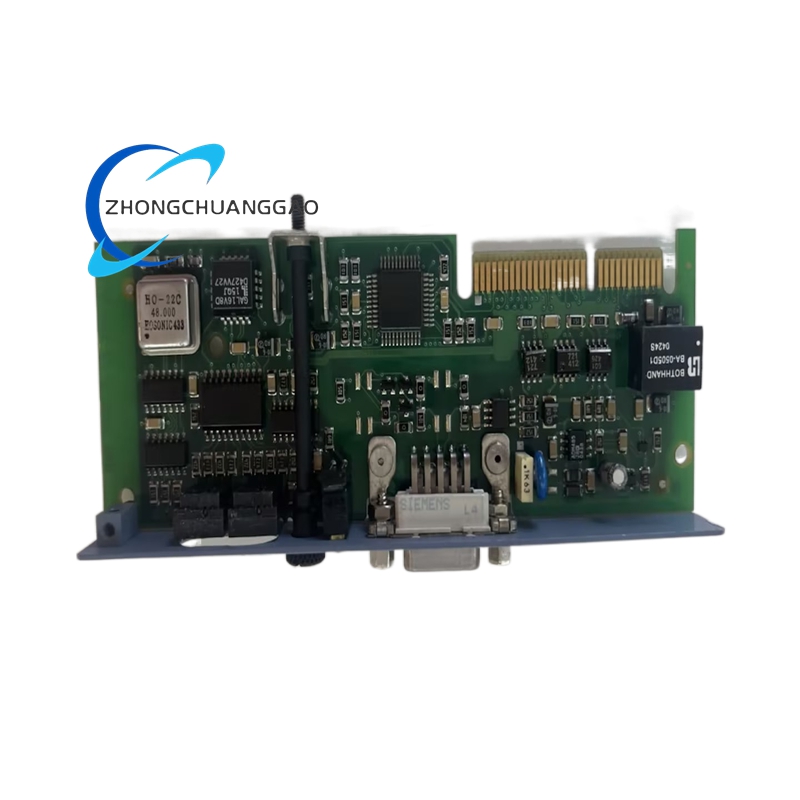
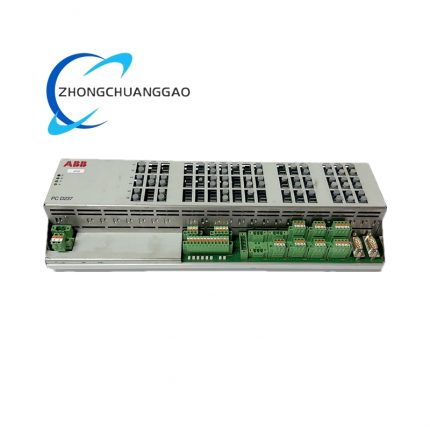
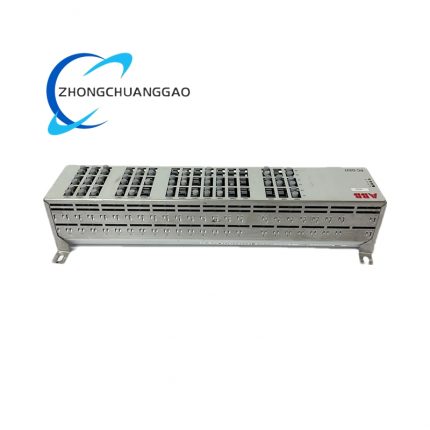
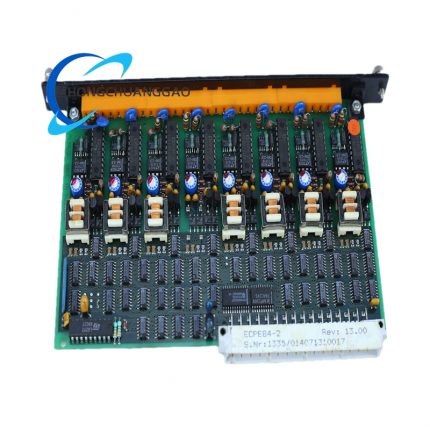
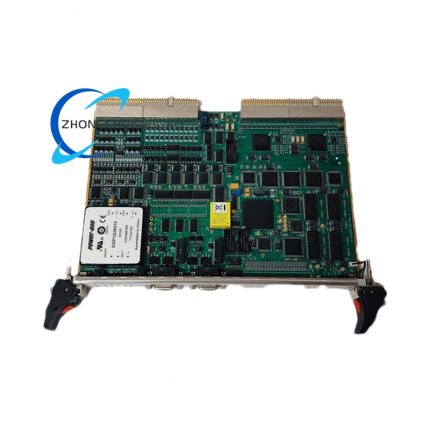
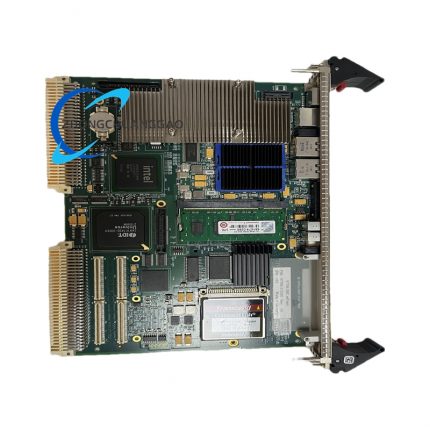
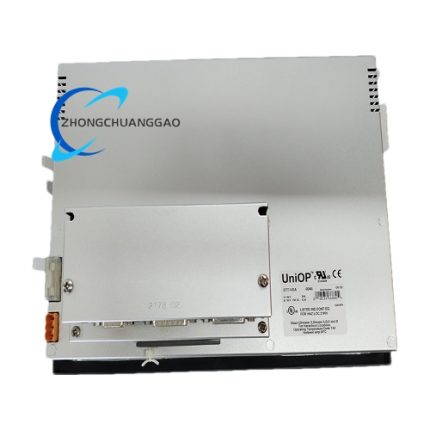
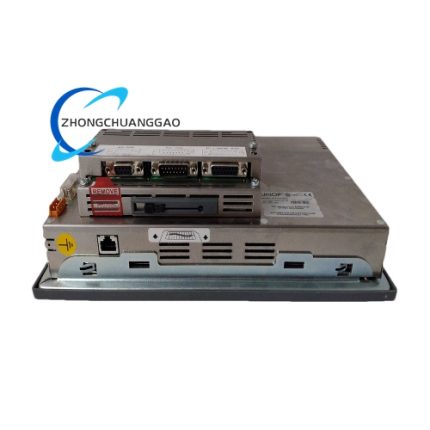
The B&R 3IF661.9 is a 16-channel digital input module for the B&R X20 I/O system. It accepts 24 V DC discrete signals from pushbuttons, limit switches, photoelectric sensors, proximity switches, and safety contacts. Each channel is individually configurable as sink (PNP) or source (NPN), providing maximum flexibility in field wiring. The module is widely used in assembly machines, packaging lines, and material handling systems within the B&R automation ecosystem.

Category:
Description

Technical Specifications

Parameter Value
Manufacturer B&R Industrial Automation (ABB Group)
Part Number 3IF661.9
Series X20 I/O System
Channels 16 digital inputs
Input Voltage 24 V DC (nominal), range 18–30 V DC
Input Type Sink (PNP) or Source (NPN) — configurable per channel via software
Current per Channel 5 mA (typical)
Isolation 500 V DC channel-to-channel, 500 V DC channel-to-bus
Response Time < 1 ms (ON), < 1 ms (OFF)
Supply Voltage 24 V DC via X20 bus
Power Consumption < 1.5 W
Operating Temperature 0°C to +55°C
Protection Class IP20
Mounting DIN rail TS35
Dimensions 90 mm × 120 mm × 62 mm
Standards CE, UL 508, EN 61131

Functional Features

  • 16 independent digital input channels with per-channel sink/source configuration
  • Software-configurable input filter (0.1 ms to 100 ms debounce time)
  • LED status indicator per channel (green = ON, off = OFF)
  • Channel grouping: 2 groups of 8 for diagnostic reporting
  • Overvoltage protection: 36 V DC clamp per channel (TVS diode)
  • Reverse polarity protection on the 24 V supply input
  • Hot-swappable on X20 bus

Performance Parameters

Parameter Specification
Input Threshold (HIGH) > 15 V DC (sink) / < 9 V DC (source)
Input Threshold (LOW) < 5 V DC (sink) / > 15 V DC (source)
Hysteresis 2 V DC (typical)
Isolation Voltage 500 V DC (continuous)
Dielectric Strength 1500 V AC, 1 minute
MTBF > 120,000 hours
Bus Communication Speed 100 Mbit/s (X20 bus)

Material Composition

Component Material
PCB FR-4, 4-layer, HASL finish
Optocouplers Toshiba TLP291 (per channel)
TVS Diodes Littelfuse SMAJ36A (overvoltage clamp)
Connectors Weidmüller, screw-clamp, rated 4 mm²
Housing Polycarbonate, UL94 V-0
LEDs High-brightness green, 20 mcd

Structural Features

  • DIN rail TS35 mounting with locking clips
  • X20 bus connector on rear for module daisy-chaining
  • 16 screw-clamp terminals arranged in 2 rows of 8
  • Per-channel LED indicators on the front panel
  • Group status LEDs: Group A (ch 1–8), Group B (ch 9–16)

Working Principle

Each input channel feeds into an optocoupler (TLP291) that provides 500 V DC galvanic isolation between the field signal and the X20 bus. The optocoupler output is read by the X20 bus interface ASIC. The B&R CPU polls all 16 channels every 4 ms (default X20 bus cycle). The sink/source configuration is set via Automation Studio software — the module contains no physical jumpers. When a HIGH signal is detected (threshold crossed with hysteresis), the corresponding bit in the CPU’s input register is set to 1. The software-configurable debounce filter ignores transitions shorter than the set time to eliminate contact bounce.


Advantages & Highlights

  • Per-channel sink/source configurable — eliminates need for external relay logic
  • 16 channels in a single module — reduces cabinet space vs. using 2× 8-channel modules
  • 500 V DC isolation — robust in electrically noisy environments
  • No hardware jumpers — all configuration via software (Automation Studio)
  • LED indicators enable rapid visual diagnostics on the shop floor
  • Fully compatible with B&R X20 CPUs: CP1541, CP1548, CP1549

Applicable Industries

Industry Application
Automotive Assembly Sensor monitoring, limit switch detection
Packaging Photoelectric sensor input, bottle presence detection
Machine Tools Door interlock, emergency stop monitoring
Logistics Conveyor sensor input, pallet detection
Printing Paper path sensors, registration marks

Model Series

Part Number Channels Input Type
3IF661.9 16 24 V DC, sink/source
3IF662.9 16 24 V DC, sink only
3IF663.9 16 24 V DC, source only
3IF664.9 32 24 V DC, sink/source

Installation Requirements

  • Mount on DIN rail TS35 with minimum 10 mm gap between adjacent X20 modules
  • Connect 24 V DC power to the X20 bus — first module in chain receives power from the CPU
  • Use 2.5 mm² stranded wire for field sensor connections — maximum length 100 m
  • Do not mix sink and source sensors on the same channel group without verifying software configuration
  • Verify input voltage is 24 V DC — AC inputs destroy the optocouplers

Usage Precautions

  • Never apply > 30 V DC to any input channel — TVS diode clamps at 36 V but sustained overvoltage degrades the optocoupler
  • Do not leave input channels floating — unused channels must be tied to a defined logic level via a pull-up or pull-down resistor
  • Debounce time must be set ≥ contact bounce time of the physical sensor (typical: 5–20 ms for mechanical switches)
  • Update Automation Studio to version 4.2 or later for full sink/source configuration support
  • Replace module if any LED is stuck ON or OFF — indicates internal optocoupler failure
Reviews (0)

Reviews

There are no reviews yet.

Be the first to review “B&R 3IF661.9”

Your email address will not be published. Required fields are marked *

Shipping and Delivery

MAECENAS IACULIS

Vestibulum curae torquent diam diam commodo parturient penatibus nunc dui adipiscing convallis bulum parturient suspendisse parturient a.Parturient in parturient scelerisque nibh lectus quam a natoque adipiscing a vestibulum hendrerit et pharetra fames nunc natoque dui.

ADIPISCING CONVALLIS BULUM

  • Vestibulum penatibus nunc dui adipiscing convallis bulum parturient suspendisse.
  • Abitur parturient praesent lectus quam a natoque adipiscing a vestibulum hendre.
  • Diam parturient dictumst parturient scelerisque nibh lectus.

Scelerisque adipiscing bibendum sem vestibulum et in a a a purus lectus faucibus lobortis tincidunt purus lectus nisl class eros.Condimentum a et ullamcorper dictumst mus et tristique elementum nam inceptos hac parturient scelerisque vestibulum amet elit ut volutpat.