Technical Specifications
- Independent Encoder Feedback Axis Count: 68 differential quadrature input channels
- Supported Encoder Signal Types: Differential line driver A/B/Z digital quadrature signals, digital index marker pulses
- Maximum Single Channel Input Pulse Frequency: 6 MHz per individual encoder axis
- Host Compatibility: PMAC, PMAC-2, PMAC-3 motion controller internal expansion backplane bus
- Logic Supply Power Input: 5 VDC power sourced directly from PMAC mainframe backplane
- Operating Ambient Temperature Range: 0 °C to +60 °C control cabinet operational temperature; -40 °C to +85 °C storage
- Per-Channel Galvanic Isolation Rating: 1,000 VDC optocoupler isolation barrier per axis
- Hardware Position Counter Resolution: 32-bit bidirectional quadrature accumulator for each of the 68 axes
- On-Card Termination Configuration: DIP switch groups for adjustable differential line termination resistance per block of 8 channels
Functional Features
- Parallel hardware FPGA counting architecture with dedicated independent 32-bit position accumulator for every encoder channel
- Grouped DIP switch configurable differential line termination resistance to match varying encoder cable impedance specifications
- Hardware index pulse latch circuit for fast automated absolute home position referencing on all axes simultaneously
- Per-block hardware loss-of-signal fault detection logic with grouped front panel LED fault indicators
- Integrated EMI filter circuits on each input channel to suppress industrial frequency switching noise from variable frequency drives
- Automatic counter rollover logic that preserves continuous absolute position tracking without data corruption
Performance Parameters
- Aggregate maximum quadrature edge processing throughput: 272 million edges per second full card load
- Channel-to-channel signal propagation skew matching tolerance: ≤ 60 ns delay deviation between any two axes
- Per-channel dielectric isolation continuous withstand voltage: 1,000 VDC
- Minimum detectable index pulse capture width: 150 ns hardware trigger threshold
- Rated MTBF: 490,000 operating hours at +25 °C nominal cabinet ambient temperature
- Encoder signal input differential voltage threshold: 200 mV minimum differential swing detection
Material Composition
- Printed circuit board substrate: Low cross-talk industrial FR4 multi-layer fiberglass laminate
- Signal isolation hardware: High-speed linear optocoupler integrated circuits for all input channels
- Front panel wiring connectors: Multiple gold-plated multi-pin mass terminal header blocks segmented by channel groups
- Configuration hardware: Gold contact mechanical DIP switch arrays grouped by 8-axis channel blocks
- Chassis mounting bracket: EMC shielding cold-rolled steel front panel with anti-vibration mounting screws
- Signal filtering components: Surface mount ferrite bead EMI suppression inductors on every input trace
Structural Characteristics
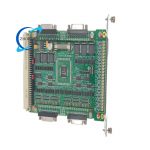
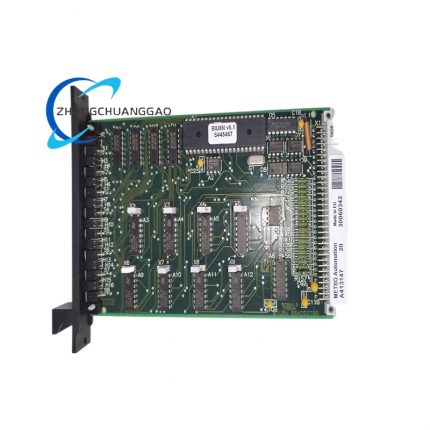
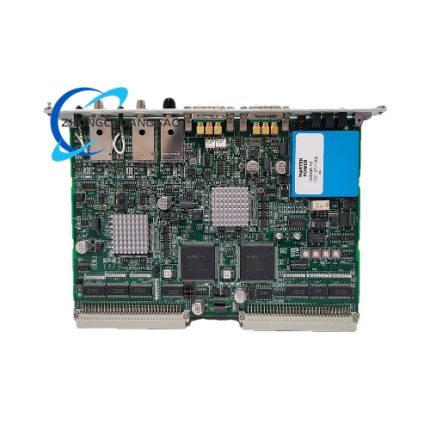
- Standard PMAC mainframe internal expansion card form factor, single slot backplane occupancy
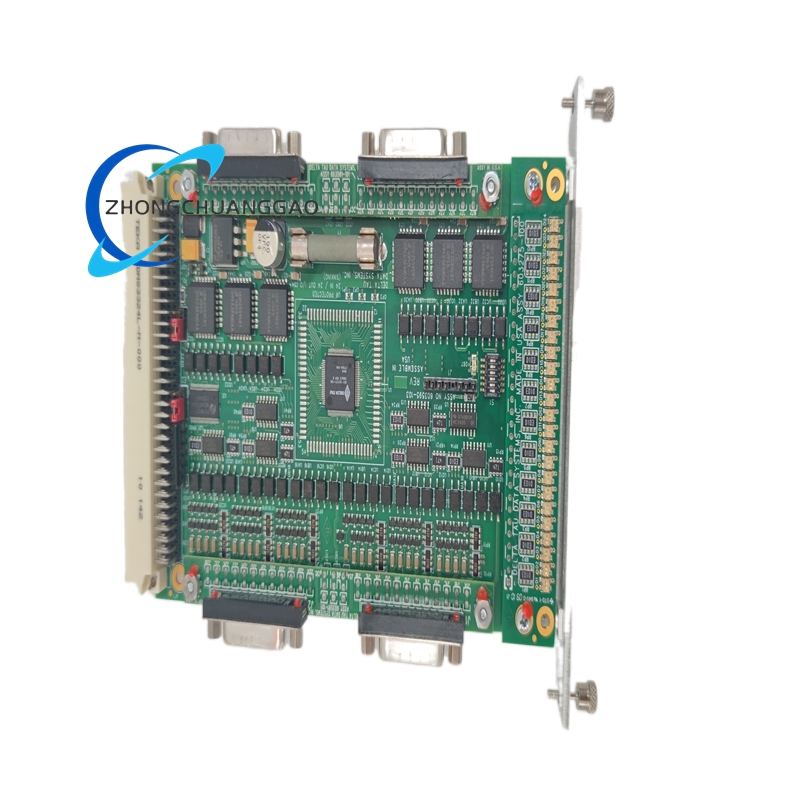
- Four segmented multi-pin front panel header blocks evenly split to accommodate all 68 encoder channels
- Grouped front panel LED indicator arrays showing power status, backplane communication link, and signal loss faults per channel block
- Direct edge connector mating interface fully compatible with all generations of PMAC controller backplane expansion slots
- Multi-layer PCB internal grounding planes separate digital power domains and signal layers to minimize cross-channel noise interference
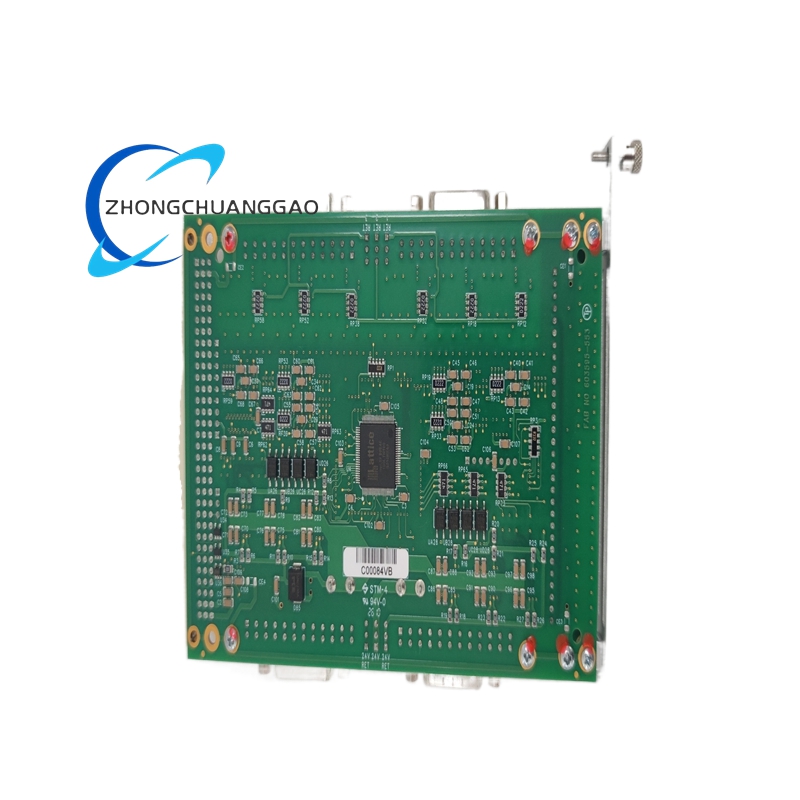
- Densely packed surface-mount signal conditioning circuits optimized to maximize channel density within single slot footprint
Working Principle
Differential A/B/Z quadrature position feedback signals from external encoder transducers enter segmented front panel terminal headers. On-board ferrite EMI filters attenuate external industrial electrical noise before signals reach optocoupler isolation barriers. Galvanic isolation circuits separate encoder transducer electrical ground potentials from PMAC control logic to eliminate damaging ground loop currents. High-density FPGA parallel processing hardware independently counts quadrature pulse edges for each of the 68 axes, continuously updating dedicated 32-bit hardware position accumulators without relying on motion controller CPU bandwidth. Index Z pulse signals trigger hardware latch registers to freeze exact axis position coordinates during machine homing calibration cycles. The PMAC mainframe retrieves all real-time position register data via the dedicated expansion backplane bus to execute closed-loop PID motion control algorithms for ultra-large multi-axis automated equipment.
Core Advantages
- Industry-leading 68-axis encoder channel density within a single expansion card, minimizing cabinet slot consumption for massive multi-axis systems
- Full hardware parallel pulse counting eliminates motion controller CPU processing bottlenecks in high channel count installations
- Segmented channel grouping simplifies wiring harness layout and accelerates fault isolation troubleshooting
- Universal mechanical compatibility with all legacy and modern Delta Tau PMAC motion controller hardware platforms
- Integrated per-channel EMI filtering removes requirement for external signal conditioning terminal hardware
Applicable Industries
Multi-panel semiconductor automated handling equipment, large-format flat panel display manufacturing production lines, multi-station automated automotive component test equipment, aerospace large tooling composite fiber placement machinery, multi-head precision printing automation systems, multi-gantry automated warehouse material handling robots
Installation Requirements
- Perform complete power shutdown of PMAC mainframe before inserting or removing ACC-68E expansion card hardware
- Precisely align backplane edge connector pins with expansion slot receptacles to avoid permanent pin bending damage
- Fasten steel EMC front panel bracket to controller chassis with factory specified M3 machine screws torqued to 1.2 N·m
- Adjust grouped DIP switch termination resistance settings to match differential impedance of connected encoder cabling per channel block
- Deploy fully shielded twisted pair differential cabling for all 68 encoder feedback channel wiring runs
Usage Precautions
- Cabinet ambient temperature exceeding +60 °C will cause FPGA timing instability and inaccurate position counting errors
- All encoder cable shielding must terminate to a single unified chassis ground point to eliminate differential radio frequency noise interference
- Any signal loss fault trigger requires full re-homing calibration for all axes within the affected channel group block
- Maintain minimum 30 cm physical separation between encoder signal wiring and high-current variable frequency drive power cables
- Execute full PMAC mainframe power cycle after modifying any on-card DIP switch termination configuration settings
- Avoid mechanical shock or impact to the PCB card during handling; physical deformation will break fine surface-mount signal traces and disable encoder channels permanently





Reviews
There are no reviews yet.