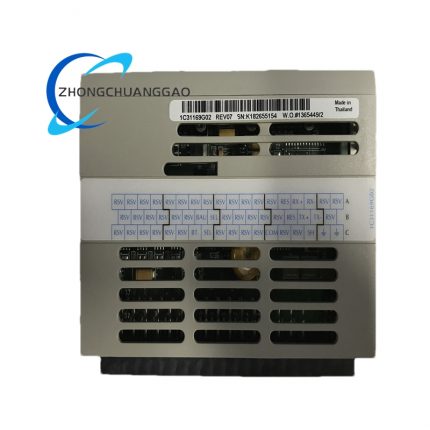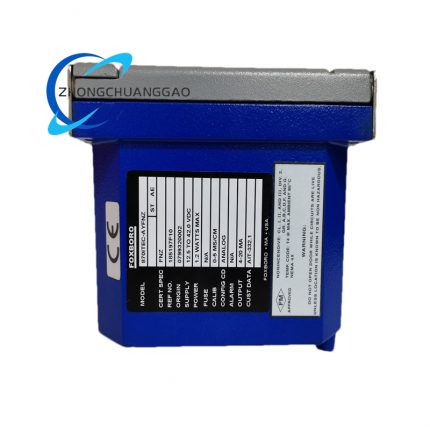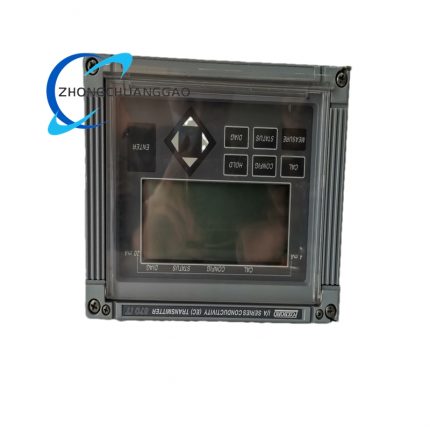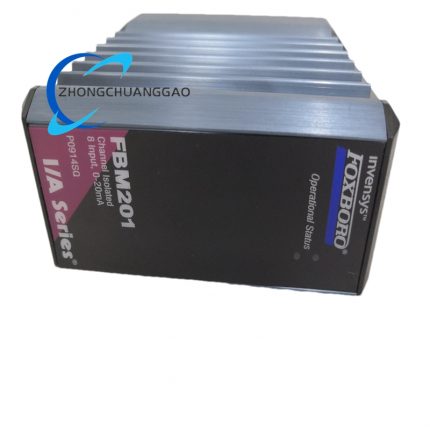

Technical Specifications:
- Processor Architecture: 32-Bit RISC (Reduced Instruction Set Computing)
- Clock Speed: 33 MHz or higher
- Memory — RAM: 8 MB minimum (volatile, runtime data storage)
- Memory — Flash: 4 MB minimum (non-volatile, program and configuration storage)
- Scan Cycle Time: Configurable from 50 ms to 500 ms depending on application complexity
- Program Execution: Supports IEC 61131-3 compliant control logic, function blocks, sequential function charts (SFC), structured text, ladder logic
- Redundancy Support: Fully supports hot-standby redundant configuration with FBM214 or equivalent partner module
- Communication Backplane: Dual redundant backplane interface at 10 Mbps
- Operating Temperature: 0°C to 60°C (32°F to 140°F)
- Humidity Range: 5% to 95% non-condensing
Functional Features:
- Executes PID control loops, cascade control, feedforward control, ratio control, and advanced regulatory control
- Runs sequential batch logic and state-based control programs
- Performs real-time data acquisition, filtering, scaling, and alarm processing
- Manages event logging, historical data recording, and trend archiving
- Supports online programming changes without system shutdown
- Provides deterministic scan execution for time-critical control applications
Performance Parameters:
- Maximum Control Loops: Up to 2,000 loops per processor
- Maximum I/O Points: Up to 8,000 points per processor (depending on module configuration)
- Data Throughput: Up to 10,000 transactions per second
- Alarm Processing Rate: Up to 5,000 alarms per second
Structural Characteristics:
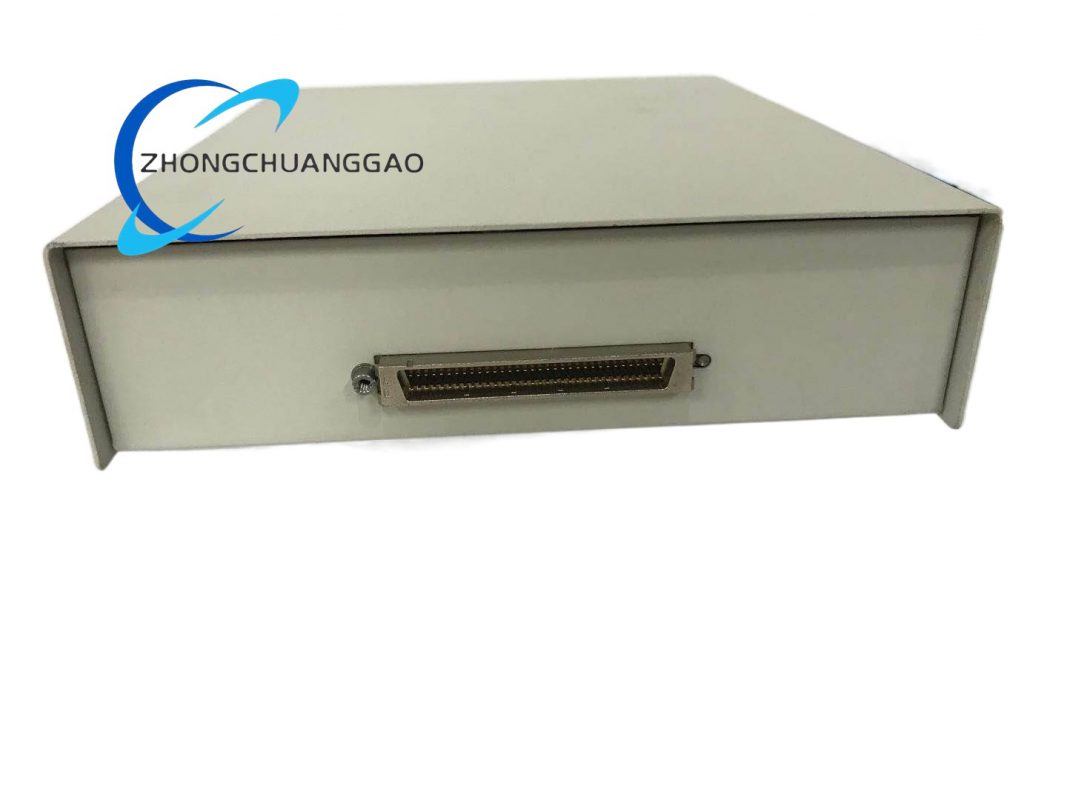
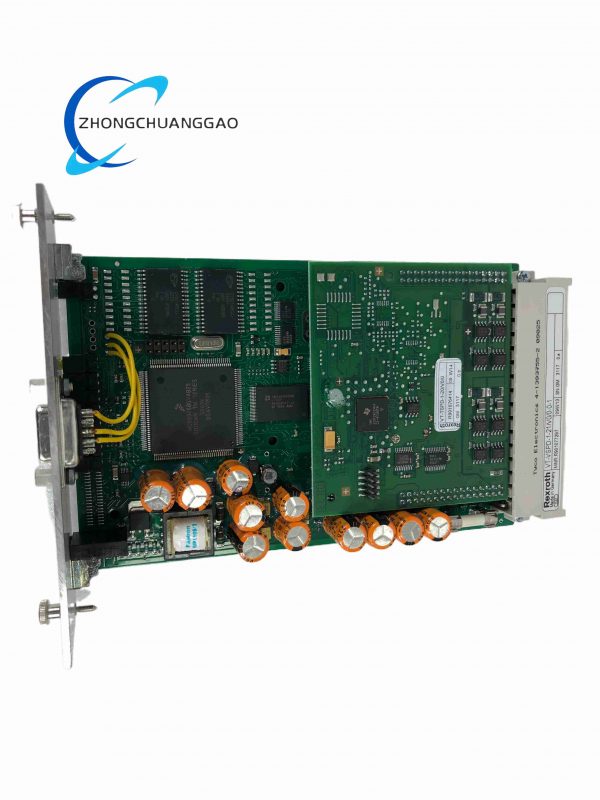
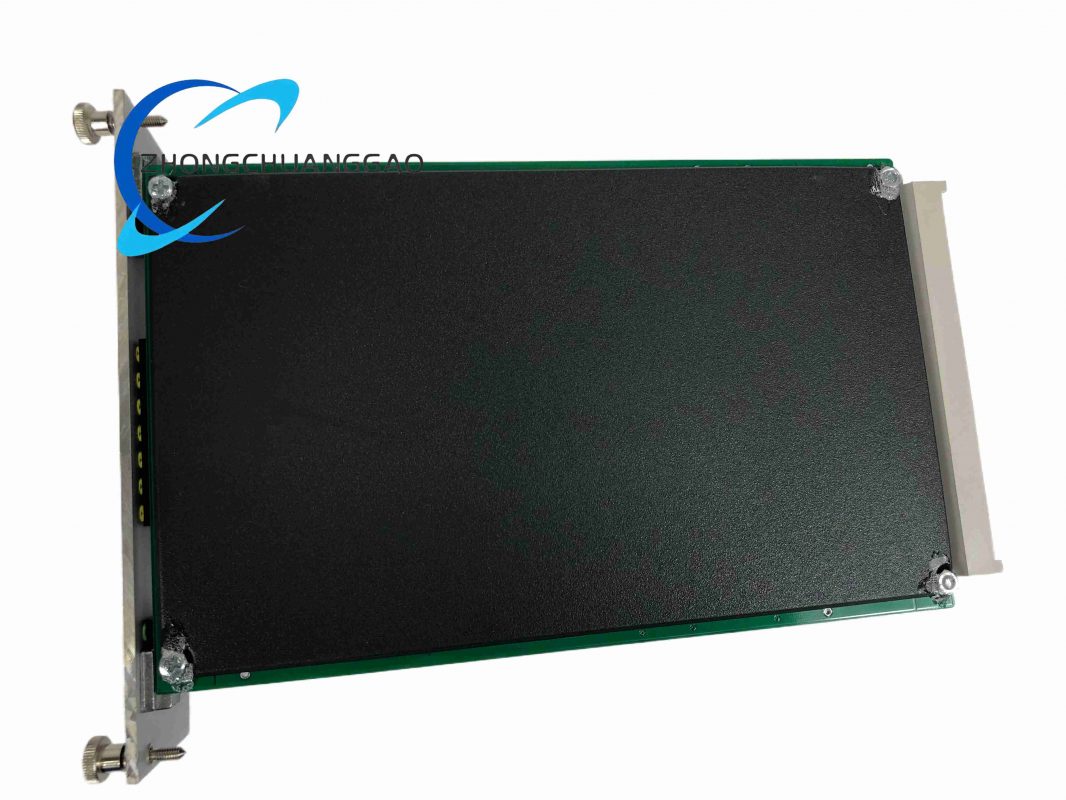
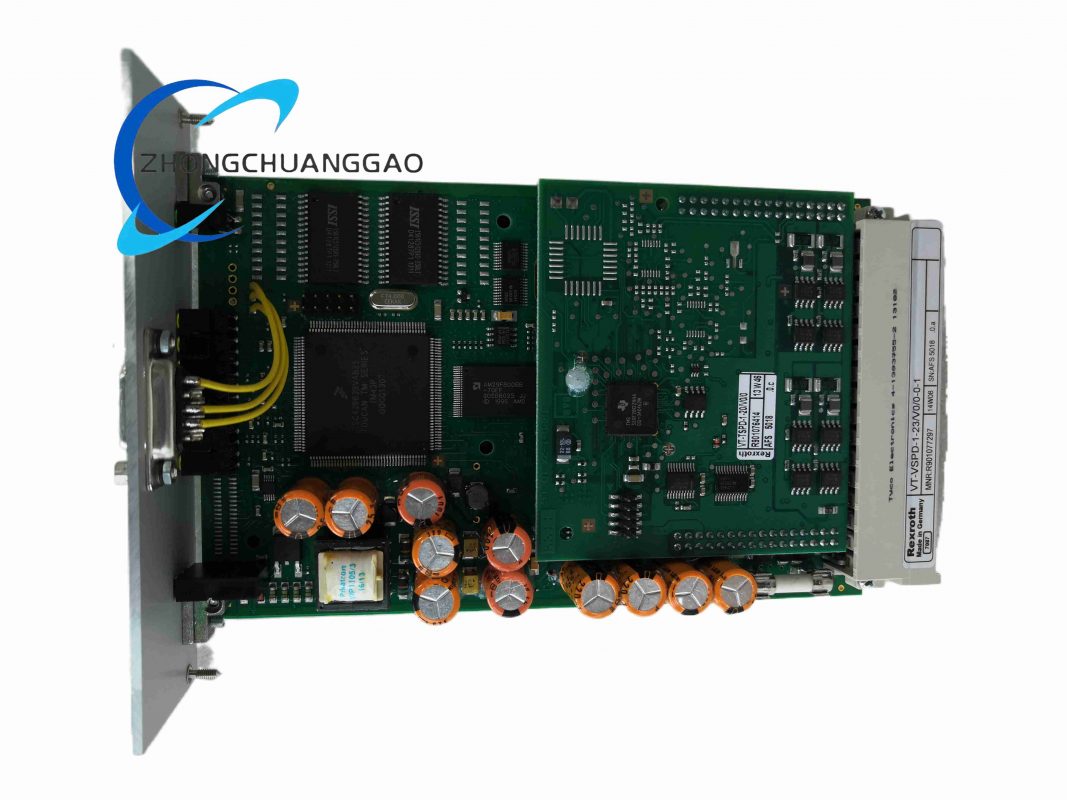
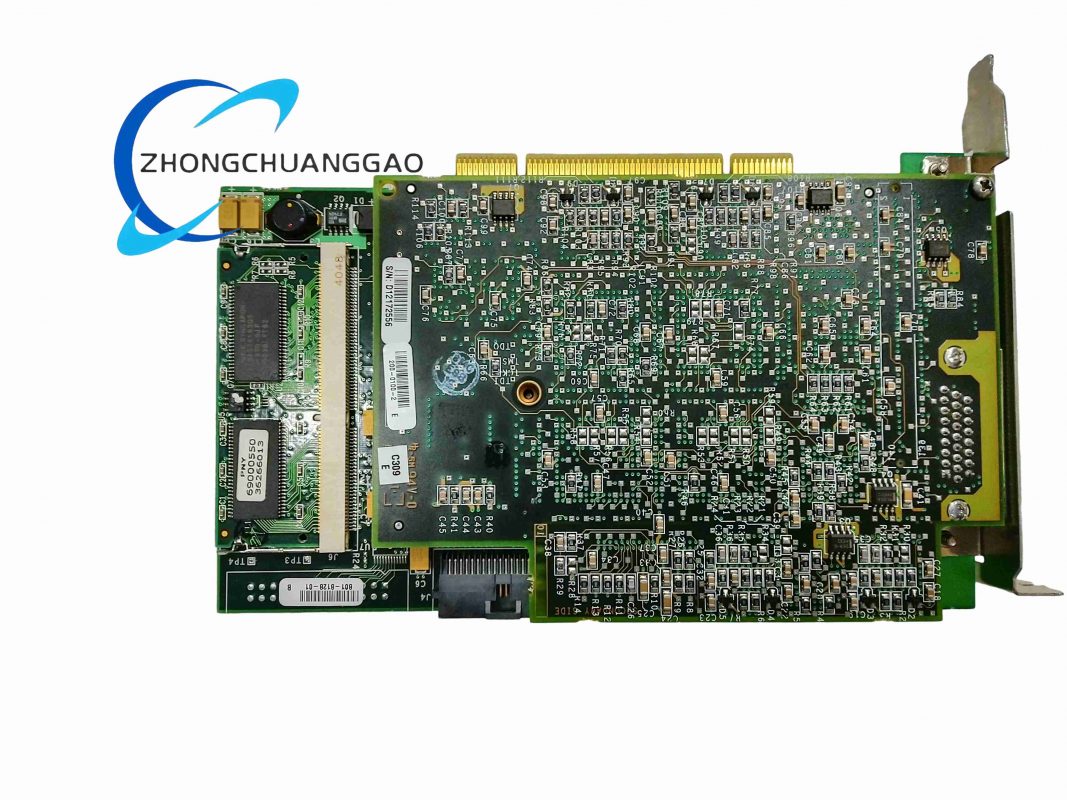
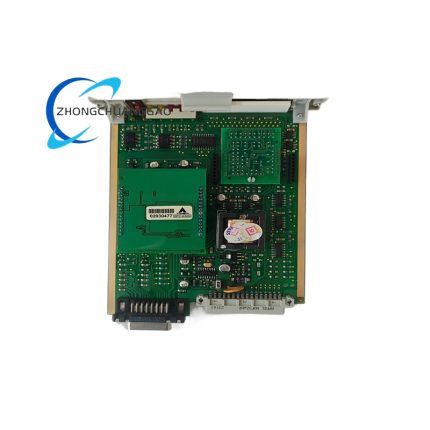
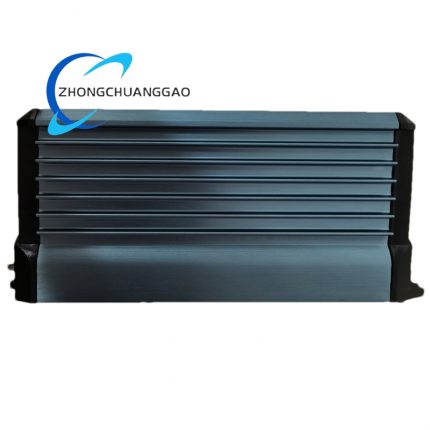
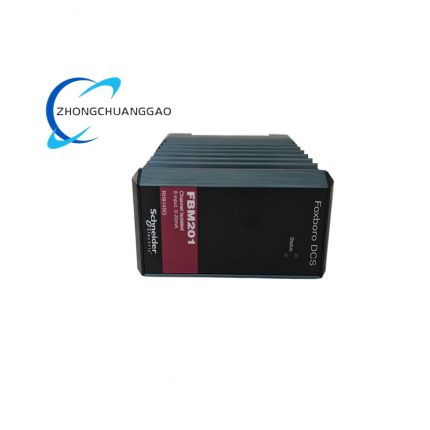
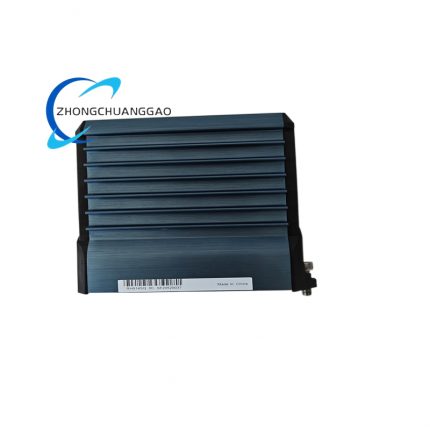
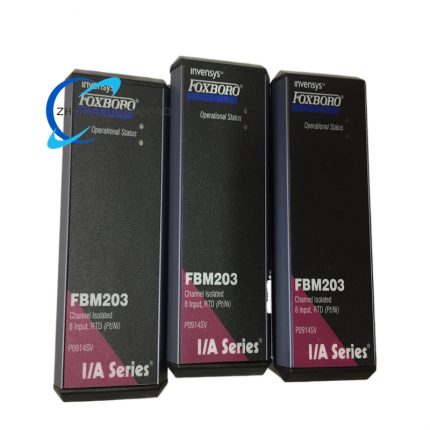
- Form Factor: Standard Eurocard-sized module (160 mm × 233 mm)
- Mounting: Horizontal rack mount in Foxboro I/A Series chassis
- Connectors: Dual redundant backplane connectors (J1 and J2) for failover capability
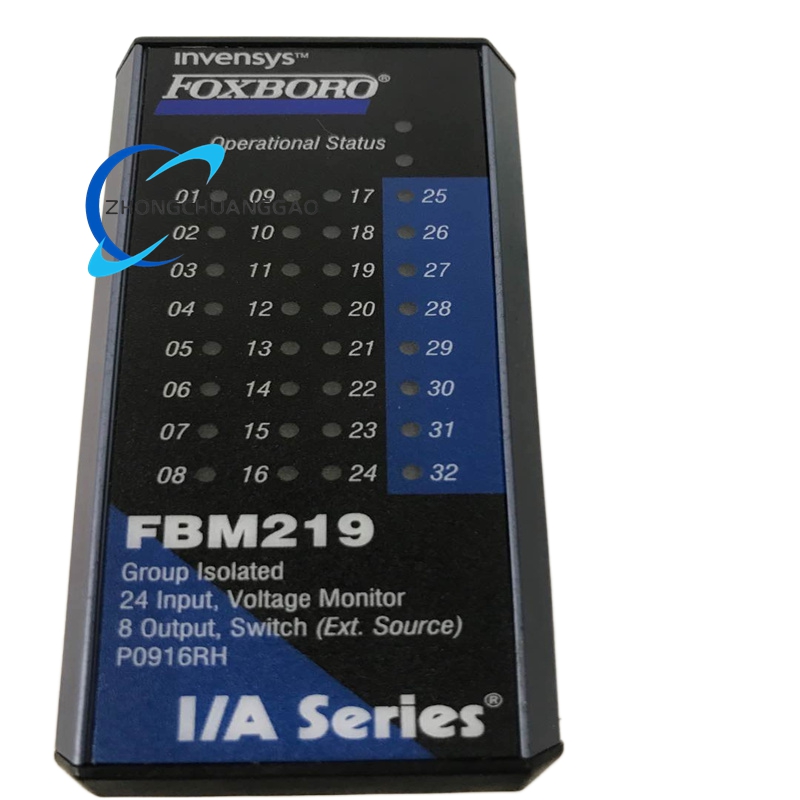
- Front Panel: LED status indicators for RUN, FAULT, STANDBY, and COMM status
- Weight: Approximately 0.8 kg (1.76 lbs)
Working Principle:
The FBM219 continuously scans all connected I/O modules via the redundant backplane. During each scan cycle, it reads input values, executes the configured control program (function blocks, logic, calculations), writes output values to I/O modules, and communicates with operator stations and historian databases. The dual-processor architecture in redundant mode ensures continuous operation — if the primary processor fails, the secondary takes over within one scan cycle with zero data loss.
Advantages & Highlights:
- Hot-swappable — module replacement without system shutdown
- Deterministic real-time performance guaranteeing control loop timing accuracy
- Fully redundant architecture eliminating single points of failure
- Extensive library of pre-built function blocks reducing engineering time
- Seamless integration with all Foxboro I/A Series I/O and communication modules
Applicable Industries:
- Oil and Gas Refining
- Chemical and Petrochemical Processing
- Power Generation (Fossil and Nuclear)
- Pulp and Paper Manufacturing
- Pharmaceutical Production
- Water and Wastewater Treatment
- Mining and Mineral Processing
Installation Requirements:
- Must be installed in a Foxboro I/A Series compatible chassis (I/A Series Rack or Cabinet)
- Requires dual backplane connection for redundancy — both J1 and J2 connectors must be seated
- Adequate cooling airflow of minimum 100 CFM across the chassis is mandatory
- Grounding must follow IEC 61010 standards — chassis ground resistance below 1 ohm
Usage Precautions:
- Never insert or remove the module while the chassis power is ON unless the module is hot-swap rated (FBM219 is hot-swap capable)
- Ensure firmware version compatibility with all other modules in the chassis before installation
- Static discharge precautions (ESD wrist strap) required during handling
- Verify redundancy partner status (FBM214) before commissioning
- Do not exceed maximum chassis module count — consult Foxboro I/A Series chassis specification sheet
Reviews
There are no reviews yet.