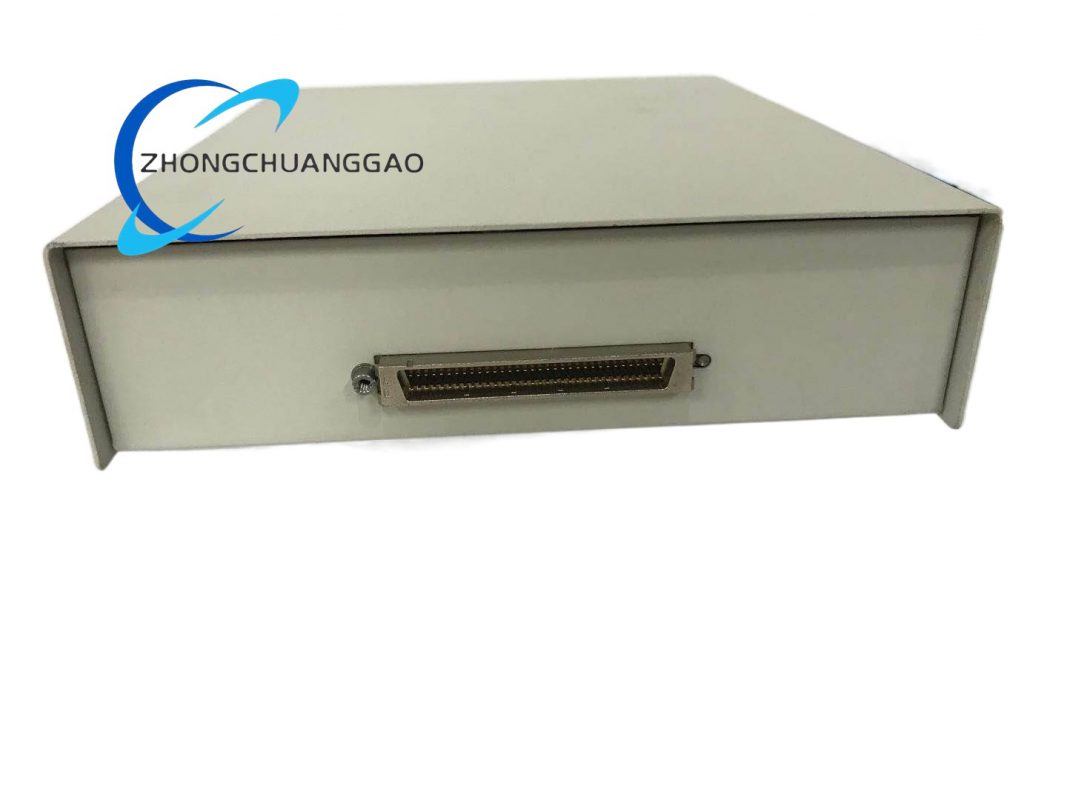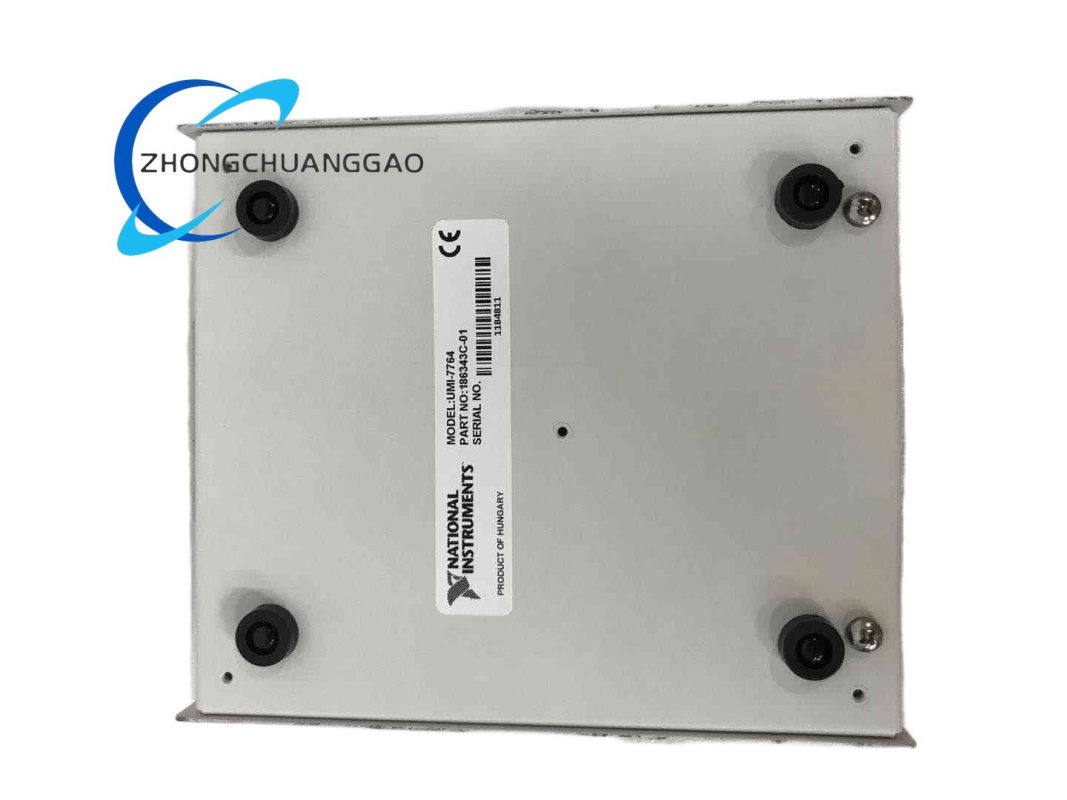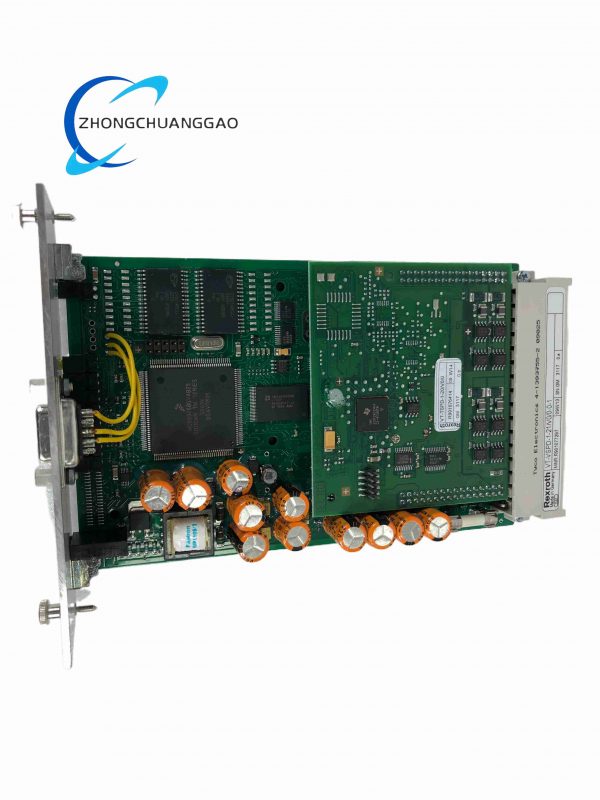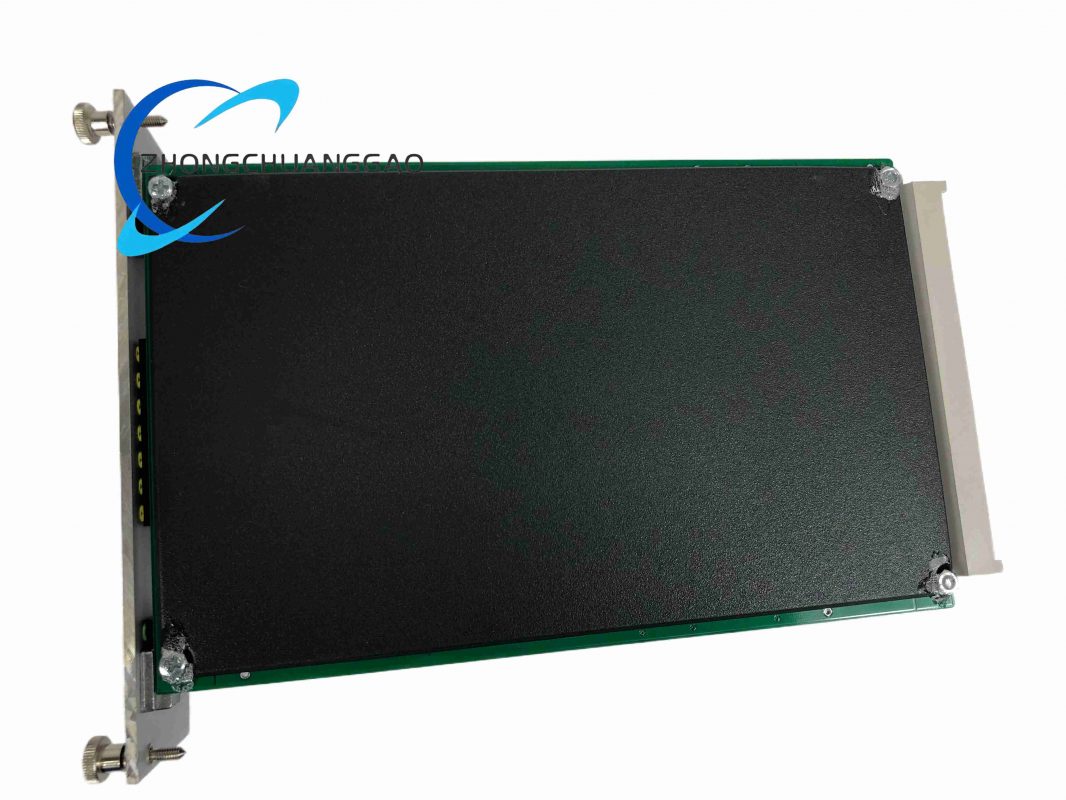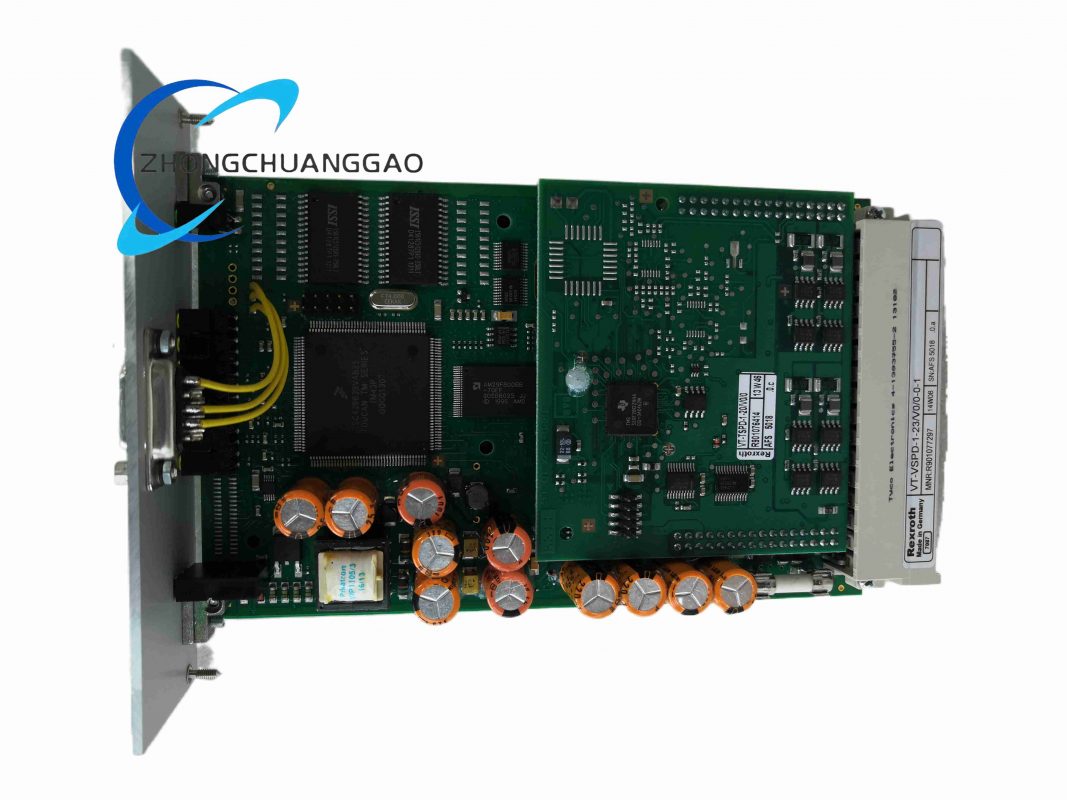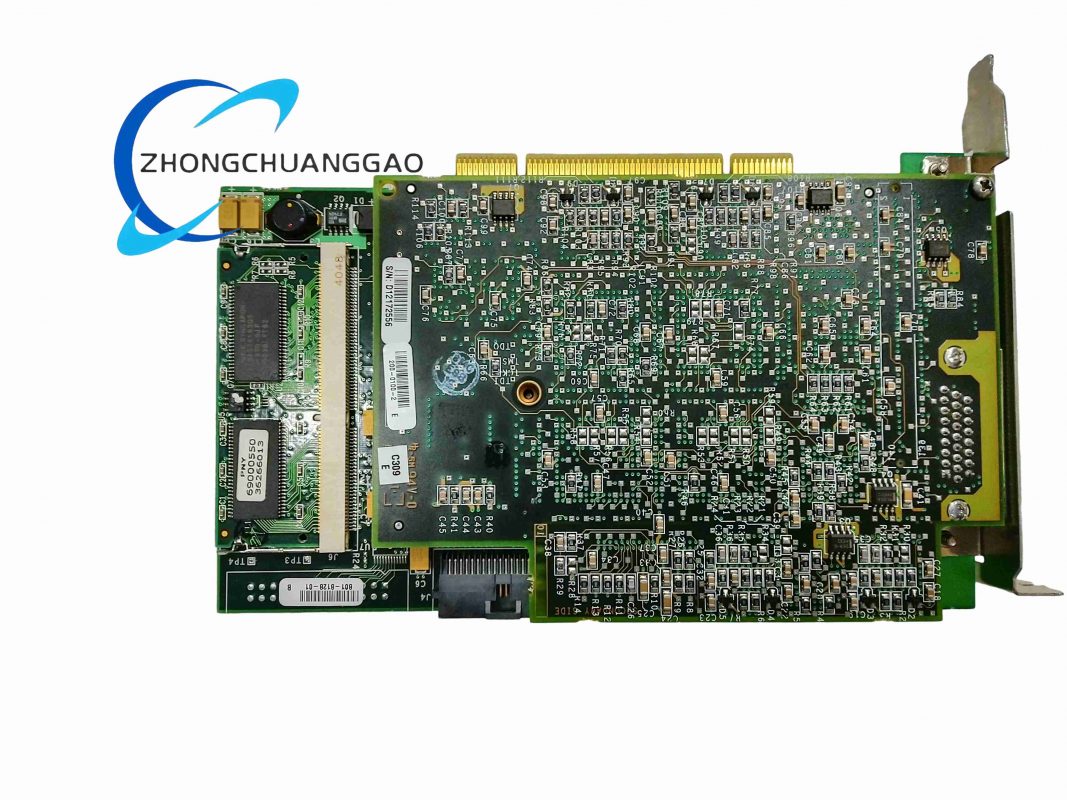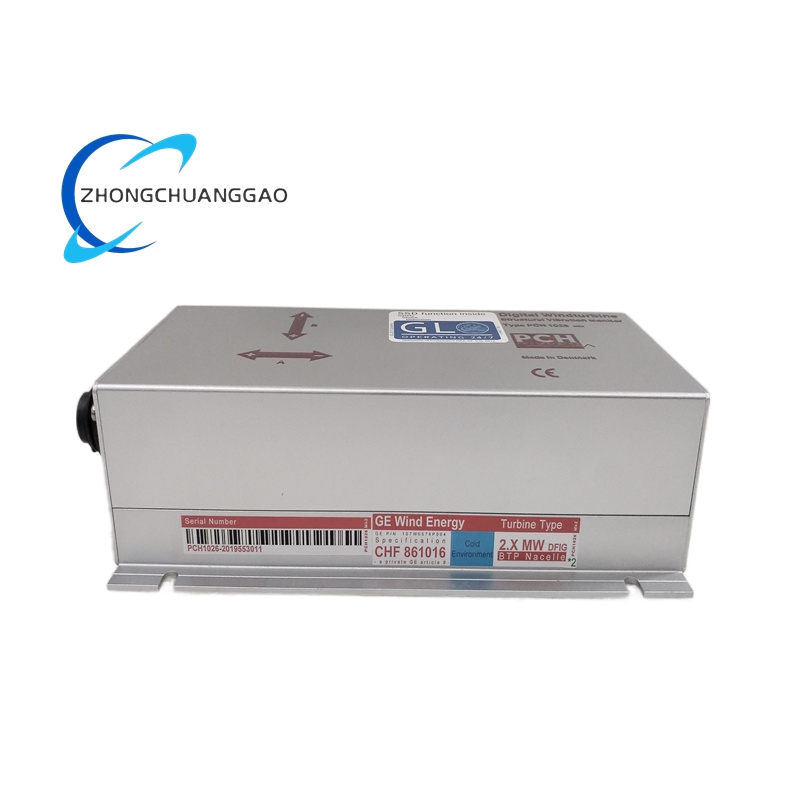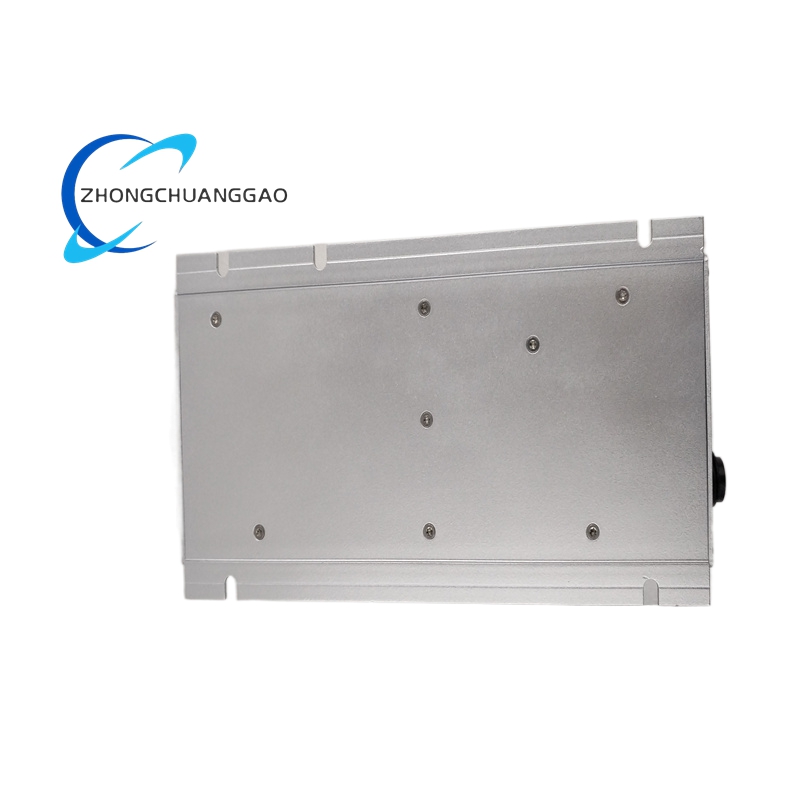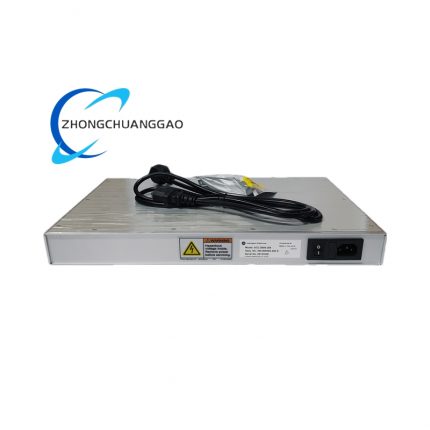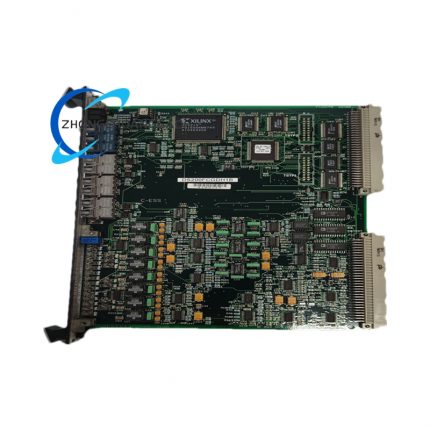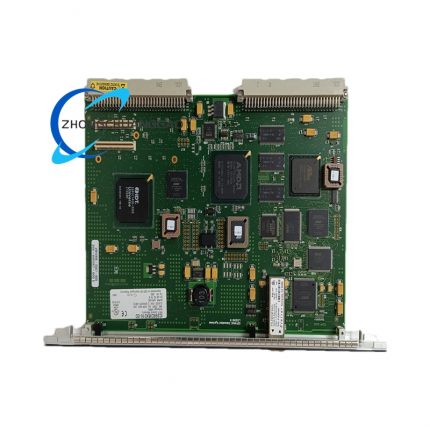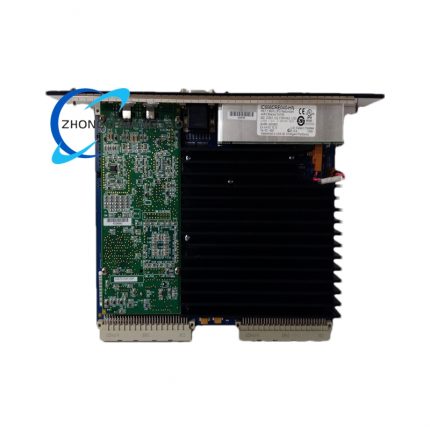

GE PCH1026CHF861016

Product Introduction

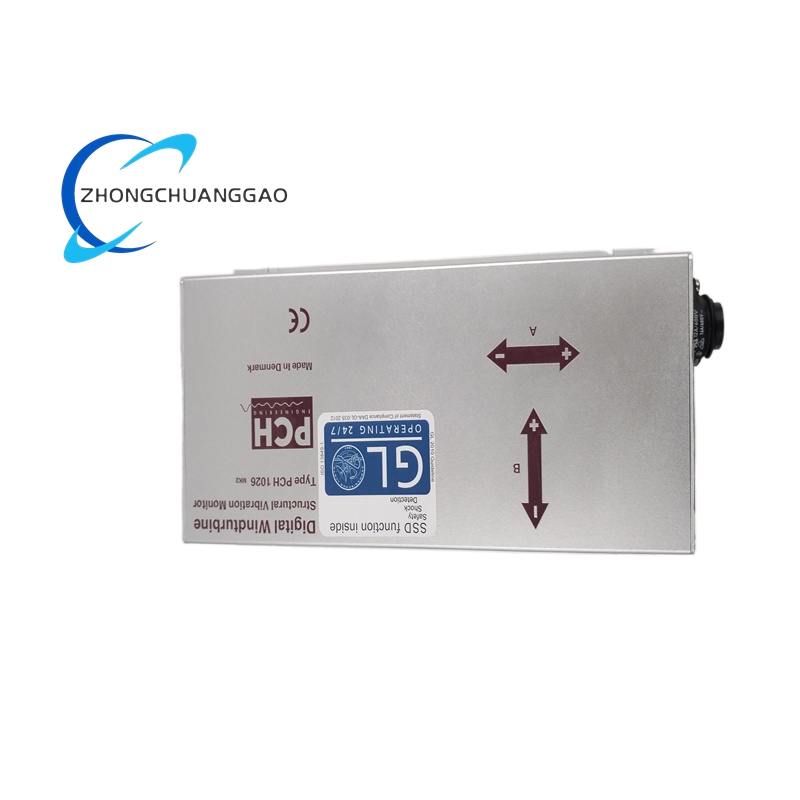
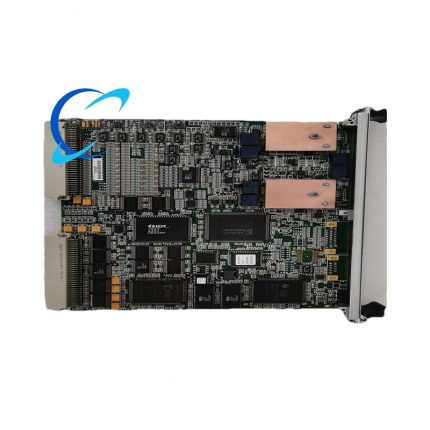
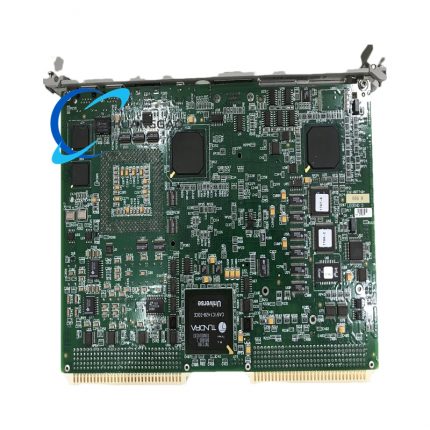
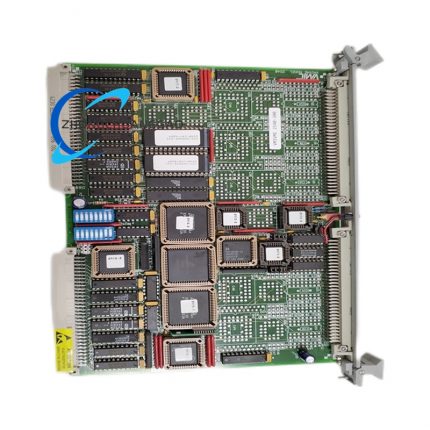
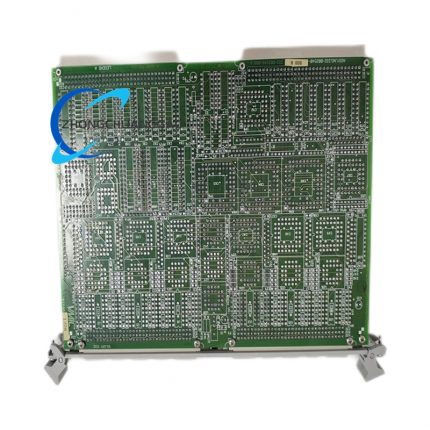
The PCH1026CHF861016 is a high-precision triaxial digital structural vibration monitor engineered by GE Vernova for low-frequency vibration monitoring in wind energy and industrial applications. It integrates three internal accelerometers (X, Y, Z axes) to capture comprehensive structural motion data, supporting up to 4 independent frequency bands per sensor for detailed analysis. The module employs advanced DSP technology and field-proven filtering algorithms to measure RMS, peak, and peak-to-peak values with exceptional accuracy.
Category:
Description

Technical Specifications

  • Manufacturer: GE Vernova (Formerly GE Power)
  • Product Series: PCH Series Structural Vibration Monitors
  • Part Number: PCH1026CHF861016
  • Module Type: Triaxial Digital Structural Vibration Monitor
  • Measurement Axes: 3 internal accelerometers (X, Y, Z axes, fully isolated)
  • Frequency Range: 0.1 Hz to 100 Hz (low-frequency optimized); selectable bands via software
  • Measurement Parameters: Acceleration (0.001–10 g), velocity (0.01–100 mm/s), displacement (0.001–10 mm)
  • Data Processing: 32-bit DSP; FFT analysis (up to 1024 points); real-time tower frequency detection
  • Analog Outputs: 4 isolated 4-20mA channels (16-bit resolution); 2-wire, loop-powered
  • Relay Outputs: 4 programmable alarm relays (SPDT, 250 V AC/30 V DC, 5 A); 1 system fault relay (SPDT)
  • Communication Interfaces: RS-485 (Modbus RTU); CANbus (J1939); USB (configuration/debugging)
  • Power Requirements: 24 V DC (nominal); 18–36 V DC (operating range); 500 mA maximum current draw
  • Isolation: Channel-to-channel: 500 V AC (1 minute); Power-to-signal: 1500 V AC (1 minute)
  • Operating Temperature: -40°C to +70°C (-40°F to +158°F)
  • Protection Rating: IP67 (sealed enclosure for outdoor installation)
  • Dimensions: 150 mm × 100 mm × 50 mm (6″ × 4″ × 2″); panel-mount design
  • Weight: 1.2 kg (2.65 lb)
  • Certifications: SIL 2, PL-d, IEC 61010-1, IEC 61326-1, RoHS compliant

Functional Features

  • Triaxial Vibration Sensing: 3 internal accelerometers provide 360° coverage for wind turbine towers, industrial structures, and rotating machinery.
  • Multi-Frequency Band Monitoring: Supports up to 4 independent frequency bands per axis, enabling targeted analysis of structural resonances and machinery harmonics.
  • Advanced Signal Processing: 32-bit DSP with FFT analysis and tower frequency detection for precise fault identification and predictive maintenance.
  • Flexible Output Configuration: 4 isolated 4-20mA outputs for continuous trend monitoring; 4 programmable relays for alarm activation (configurable thresholds/delays).
  • Comprehensive Self-Monitoring: Internal watchdogs and diagnostic routines detect sensor failures, power anomalies, and communication errors, triggering the system fault relay.
  • Safety Compliance: SIL 2 and PL-d certification ensures reliability in safety-critical applications, including wind turbine overspeed protection and structural integrity monitoring.
  • Seamless System Integration: RS-485 (Modbus RTU) and CANbus (J1939) interfaces for direct connection to PLCs, SCADA systems, and turbine controllers.
  • Rugged Environmental Design: IP67 enclosure, -40°C to +70°C operating range, and resistance to shock/vibration per IEC 60068-2 standards.
  • User-Friendly Configuration: PCH Vibration Studio software for parameter setup, data logging, and real-time monitoring via USB or network connection.
  • Low Power Consumption: 500 mA maximum current draw from 24 V DC supply, suitable for remote installations with limited power budgets.

Application Scenarios

  • Wind Turbine Monitoring: Tower vibration analysis (resonance detection), blade oscillation monitoring, and nacelle motion tracking to prevent structural fatigue and optimize maintenance schedules.
  • Power Generation: Steam/gas turbine foundation vibration monitoring, generator stator/rotor vibration analysis, and transformer tank vibration assessment for predictive maintenance.
  • Oil & Gas Infrastructure: Pipeline compressor skid vibration monitoring, offshore platform structural health assessment, and pump vibration diagnostics in remote locations.
  • Industrial Machinery: Motor, pump, and fan vibration monitoring to detect bearing wear, misalignment, and imbalance before catastrophic failure.
  • Structural Health Monitoring: Bridge vibration analysis (traffic-induced motion), building sway monitoring (wind/earthquake effects), and dam structural integrity assessment.
  • Mining & Metals: Conveyor system frame vibration monitoring, crusher housing motion analysis, and mill foundation vibration assessment to reduce downtime.
  • Marine Applications: Ship hull vibration monitoring, offshore wind turbine jacket motion analysis, and propulsion system vibration diagnostics (DNV certified).
  • Railway Infrastructure: Track bed vibration monitoring, bridge dynamic load analysis, and locomotive undercarriage vibration assessment for safety compliance.
  • Aerospace & Defense: Aircraft ground vibration testing, satellite launch vehicle structural monitoring, and military vehicle suspension vibration analysis.

Compatibility

  • Controllers: GE PACSystems RX3i/RX7i, Mark VIe Turbine Control System, Siemens S7, Rockwell ControlLogix
  • Configuration Software: GE PCH Vibration Studio (Version 3.0 or later)
  • Communication Protocols: Modbus RTU (RS-485), CANbus J1939, USB 2.0 (configuration)
  • Power Supply: 24 V DC (18–36 V DC operating range); 500 mA maximum current
  • Field Devices: Accelerometers (internal), vibration sensors (external input optional), PLC I/O modules
  • Mounting: Panel-mount (IP67 enclosure) or 35 mm DIN rail (optional adapter)

Installation Notes

  1. Mechanical Mounting: Secure to a flat, rigid surface (tower wall, machinery frame, or structural beam) using 4 M6 bolts; ensure alignment with X/Y/Z axes for accurate triaxial measurement.
  2. Power Connection: Connect 24 V DC supply (18–36 V DC) with reverse polarity protection; use shielded cables to minimize noise.
  3. Communication Setup: Wire RS-485 (Modbus RTU) or CANbus (J1939) for data transmission; set baud rate (9600–115200 bps) and parity via software.
  4. Output Wiring: Connect 4-20mA outputs to PLC analog inputs (12-bit minimum resolution); wire alarm relays to safety circuits or SCADA inputs (250 V AC/30 V DC, 5 A max per relay).
  5. Parameter Configuration: Use PCH Vibration Studio to set frequency bands, measurement parameters (RMS/peak), alarm thresholds (0.001–10 g), and relay delays (0–60 seconds).
  6. Self-Monitoring Enable: Activate internal watchdogs and diagnostic routines via software; verify system fault relay triggers on sensor/power failure.
  7. Environmental Protection: Ensure IP67 enclosure is sealed correctly; avoid direct exposure to water jets or chemical contaminants.
  8. Calibration Check: Perform annual calibration using a traceable vibration standard to maintain measurement accuracy (ISO 17025 compliant).

Key Advantages

  • Triaxial Coverage: 3 internal accelerometers eliminate the need for external sensors, reducing installation complexity and cost.
  • Low-Frequency Optimization: 0.1 Hz to 100 Hz range ideal for structural vibration monitoring (wind turbines, bridges) and low-speed machinery diagnostics.
  • Safety-Certified Design: SIL 2 and PL-d compliance ensures reliable operation in safety-critical applications, minimizing risk of unplanned downtime.
  • Flexible Output Options: 4-20mA outputs and programmable relays enable both continuous monitoring and discrete alarm activation for multi-layered protection.
  • Seamless Integration: Modbus RTU and CANbus interfaces support direct connection to existing control systems, leveraging standard industrial protocols.
  • Rugged Reliability: IP67 enclosure and wide temperature range ensure performance in extreme environments, including offshore wind farms and desert industrial sites.
  • Advanced Diagnostics: Internal watchdogs and diagnostic tools provide proactive fault detection, reducing maintenance time and costs.
  • User-Friendly Software: PCH Vibration Studio simplifies configuration, data analysis, and trend monitoring, enabling quick deployment and troubleshooting.
Reviews (0)

Reviews

There are no reviews yet.

Be the first to review “GE PCH1026CHF861016”

Your email address will not be published. Required fields are marked *

Shipping and Delivery

MAECENAS IACULIS

Vestibulum curae torquent diam diam commodo parturient penatibus nunc dui adipiscing convallis bulum parturient suspendisse parturient a.Parturient in parturient scelerisque nibh lectus quam a natoque adipiscing a vestibulum hendrerit et pharetra fames nunc natoque dui.

ADIPISCING CONVALLIS BULUM

  • Vestibulum penatibus nunc dui adipiscing convallis bulum parturient suspendisse.
  • Abitur parturient praesent lectus quam a natoque adipiscing a vestibulum hendre.
  • Diam parturient dictumst parturient scelerisque nibh lectus.

Scelerisque adipiscing bibendum sem vestibulum et in a a a purus lectus faucibus lobortis tincidunt purus lectus nisl class eros.Condimentum a et ullamcorper dictumst mus et tristique elementum nam inceptos hac parturient scelerisque vestibulum amet elit ut volutpat.