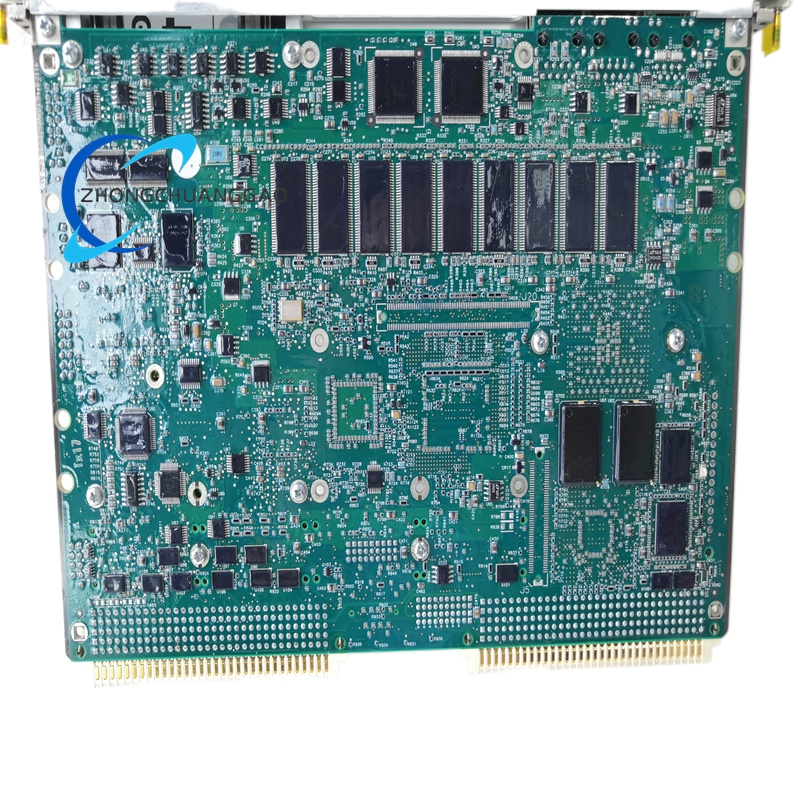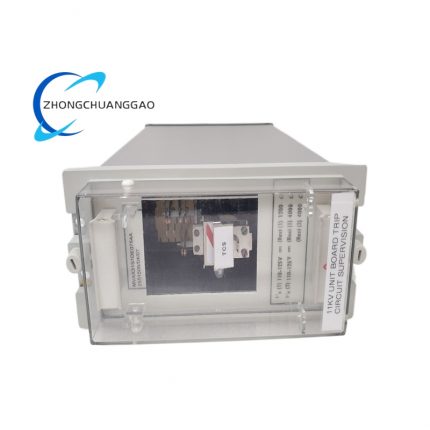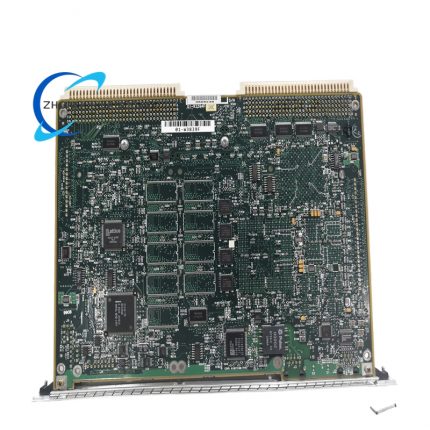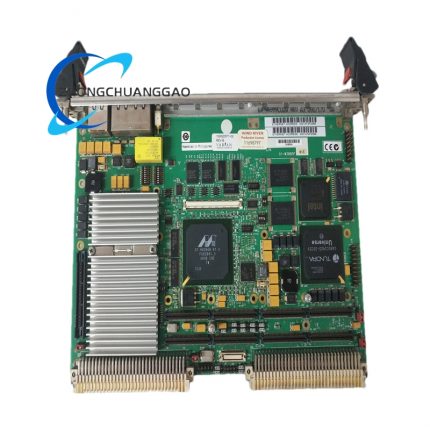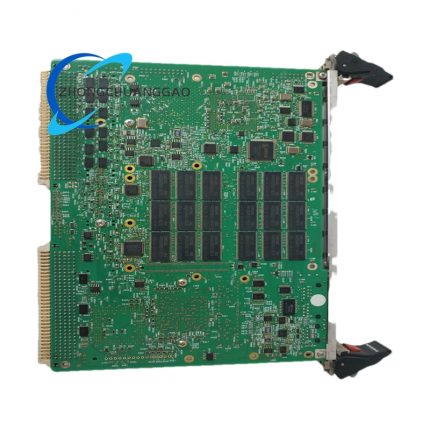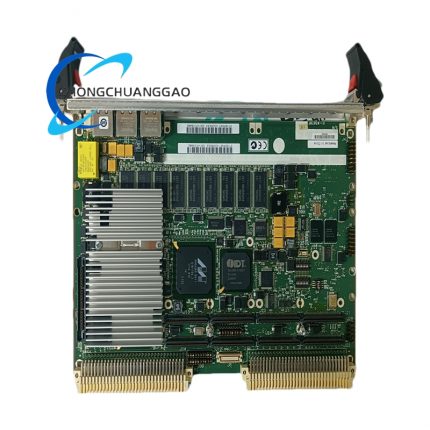

Motorola MVME-6100

Product Introduction

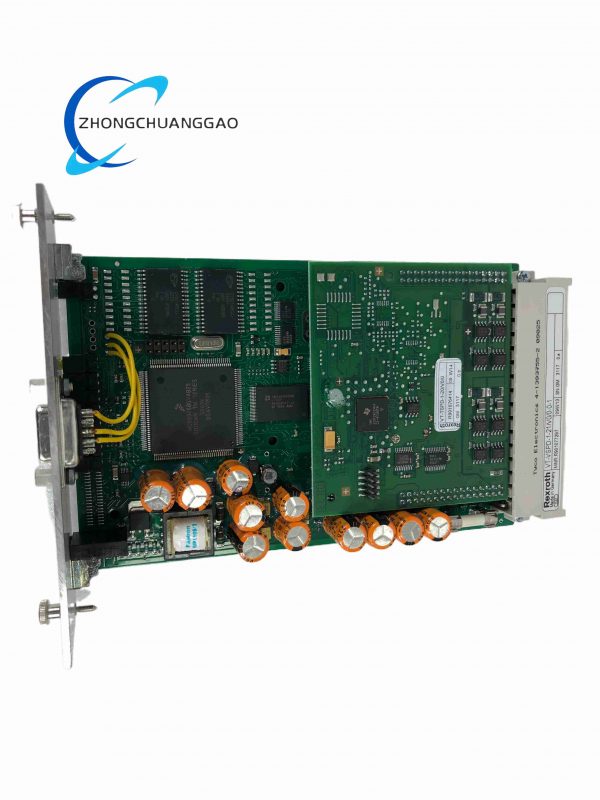
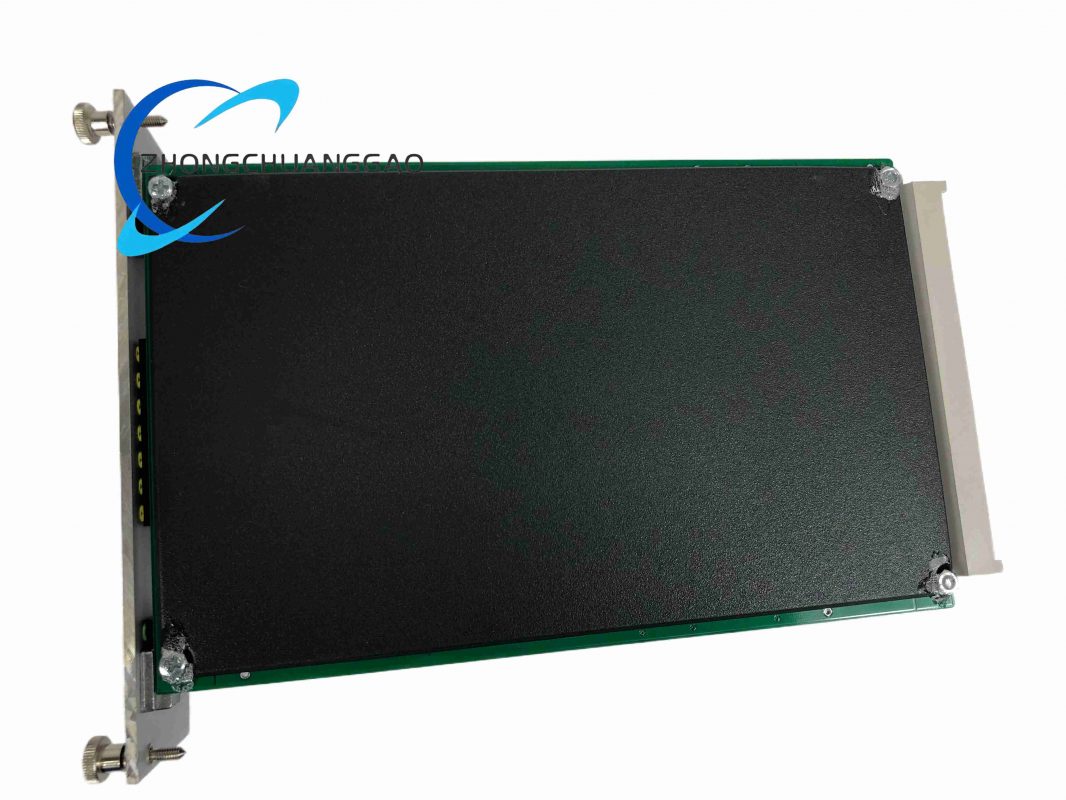
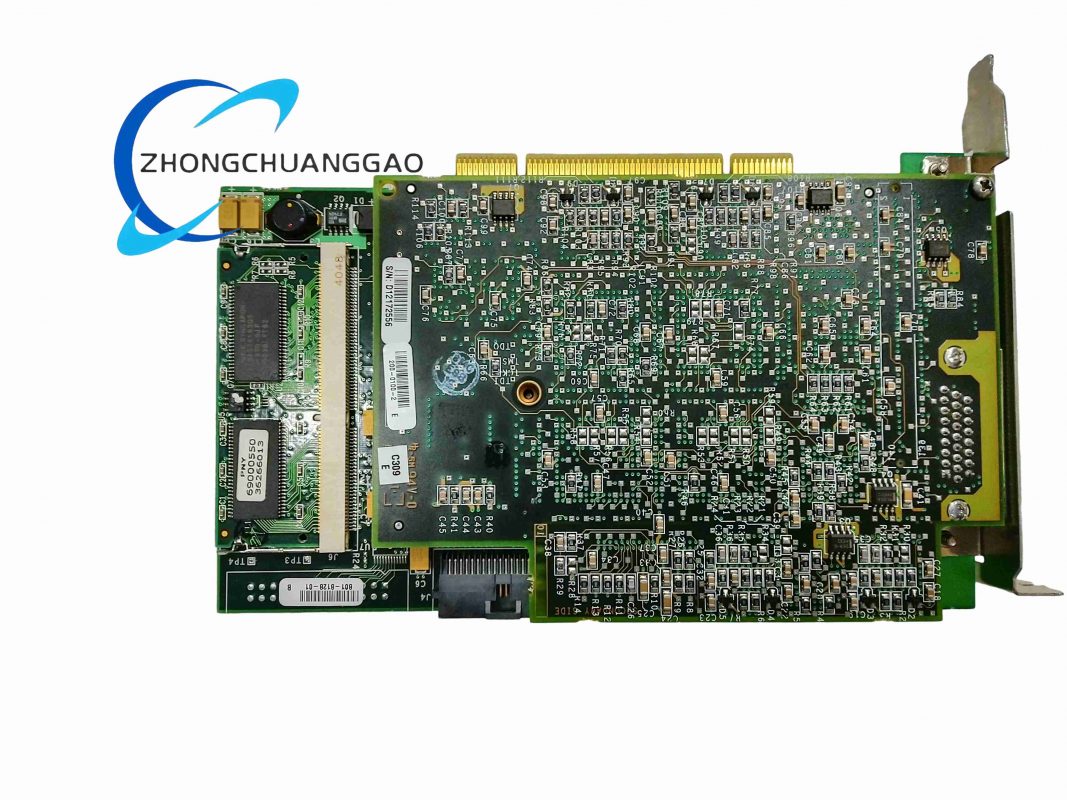
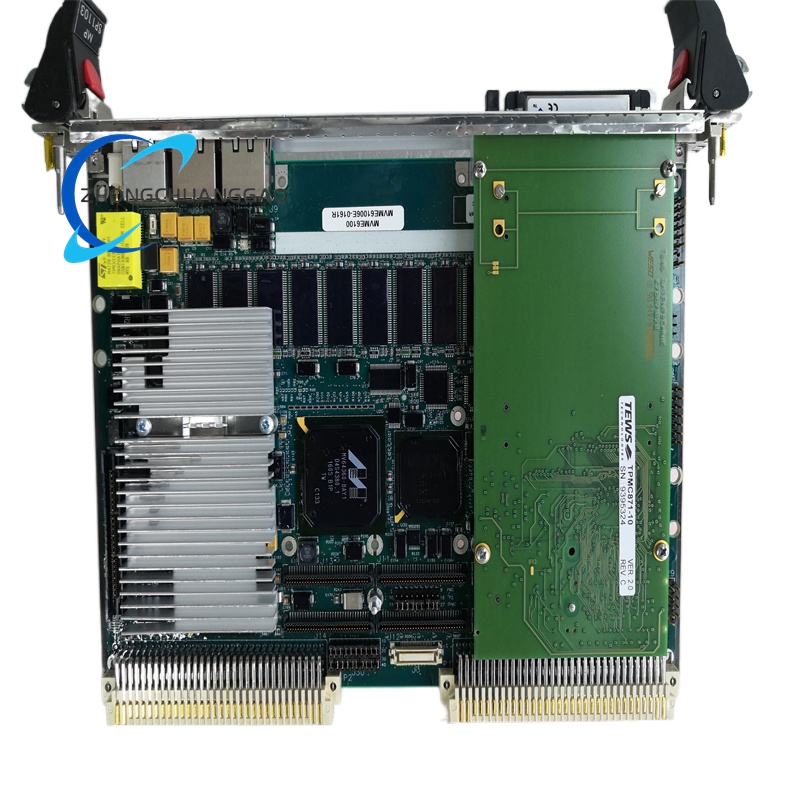
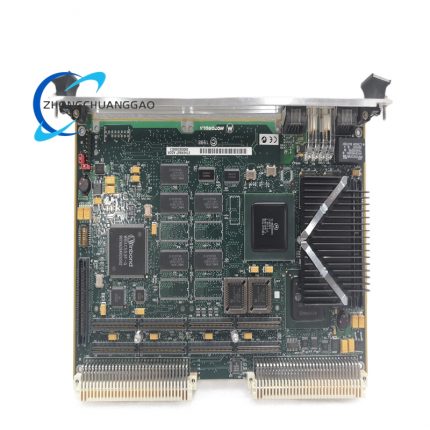
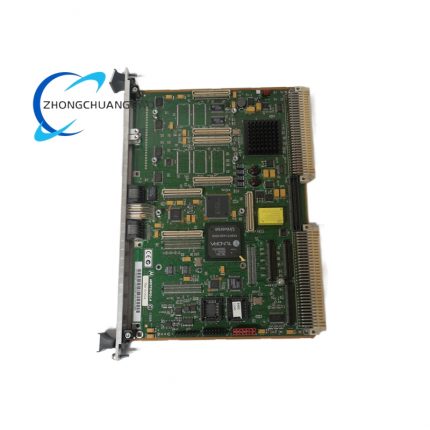
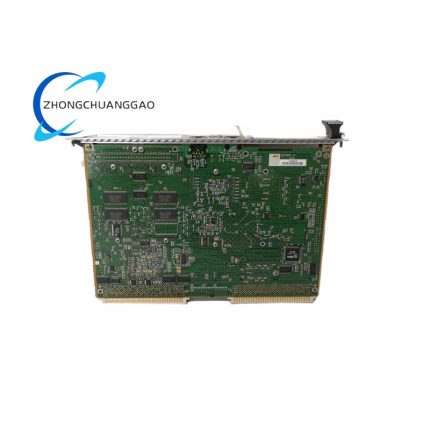
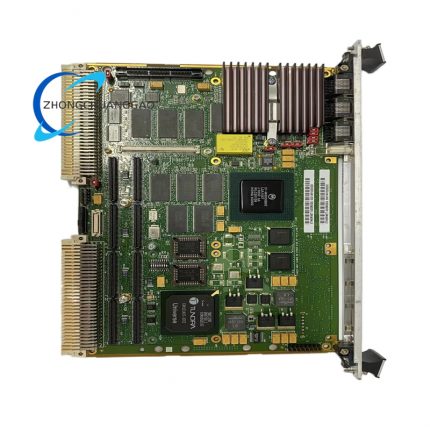
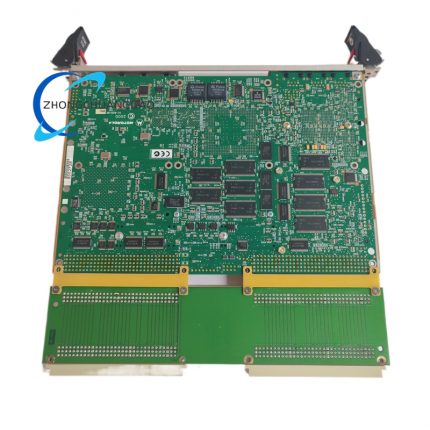
The MVME – 6100 is a high – performance VMEbus single – board computer originally developed by Motorola, now under GE (via Emerson Network Power acquisition). It is the first VMEbus SBC to feature the Tundra Tsi148 interface chip supporting the 2eSST (two edge source synchronous transfer) protocol, which boosts VMEbus practical bandwidth to 320MB/s. Powered by a 1.267 GHz MPC7457 PowerPC processor with a 128 – bit AltiVec parallel processing coprocessor, it delivers robust computing power for real – time data processing and control. It comes with up to 2GB DDR ECC SDRAM, 128MB on – board flash memory, dual Gigabit Ethernet ports, and dual PMC/XMC expansion slots, making it suitable for mission – critical scenarios that demand high reliability, determinism, and scalability.
Category:
Description

Technical Specifications

  • Manufacturer: GE (Formerly Motorola, Emerson Network Power)
  • Product Series: MVME6100 Series VMEbus Single – Board Computers
  • Part Number: MVME – 6100
  • Processor: Freescale MPC7457 PowerPC, 1.267 GHz, with 128 – bit AltiVec coprocessor
  • Cache Memory: L1 (I/D): 32KB/32KB; L2: 512KB; L3: 2MB
  • System Controller: Marvell MV64360 (integrates 2MB SRAM for fast data access)
  • Main Memory: DDR ECC SDRAM (DDR266, 133 MHz), up to 2GB (two banks, 512MB/1GB per bank)
  • Non – Volatile Storage: 128MB soldered flash (two 64MB banks, write – protectable via jumper); 32KB NVRAM (4KB user – accessible)
  • VMEbus Interface: Tundra Tsi148 chip, 2eSST protocol, 320MB/s practical bandwidth; VME64x compliant (64 – bit, 80/160MB/s base rate)
  • Integrated I/O Interfaces:
    • Dual Gigabit Ethernet (10/100/1000Base – T, RJ – 45 with LEDs)
    • 2x RS – 232/422/485 serial ports (DB9)
    • 2x USB 2.0 ports
    • VGA video output (DB15)
    • Real – Time Clock (RTC) with battery backup
    • 4x 32 – bit general – purpose timers/counters (133 MHz clock)
  • Expansion Slots: 2x PMC/XMC slots (32/64 – bit PCI/PCI – X, 33/66/100 MHz)
  • Power Requirements: +3.3V DC, ±12V DC (supplied via VME backplane)
  • Operating Temperature: -40°C to +85°C (-40°F to +185°F)
  • Storage Temperature: -55°C to +125°C (-67°F to +257°F)
  • Humidity Range: 5%–95% non – condensing
  • Mechanical Form Factor: 6U VME (233.35 mm × 160 mm), standard VME64x 导轨安装
  • Weight: 0.8 kg (1.76 lb)
  • OS Support: VxWorks, Linux (Red Hat, Wind River), LynxOS, pSOSystem
  • Certifications: MIL – STD – 810G (shock/vibration), IEC 61010 – 1 (safety), CE, FCC Class A

Functional Features

  • High – Speed VMEbus Performance: 2eSST protocol enables 320MB/s data transfer, outperforming traditional VMEbus (80–160MB/s) for real – time system integration.
  • Deterministic Real – Time Processing: MPC7457 PowerPC with AltiVec coprocessor and ECC memory ensures reliable, low – latency execution of control algorithms and data processing tasks.
  • Dual PMC/XMC Expansion: Supports legacy and modern I/O modules (communication, I/O, image processing) for flexible system customization.
  • Dual Gigabit Ethernet: Redundant network connectivity for SCADA integration, remote monitoring, and high – speed data logging with integrated SRAM for descriptor offloading.
  • Robust Non – Volatile Storage: 128MB flash (write – protected) for firmware and application storage; 32KB NVRAM for critical configuration retention during power loss.
  • Legacy VME Compatibility: Tundra Tsi148 interface enables seamless migration from older VME systems while maintaining compatibility with VME64x backplanes.
  • Advanced System Control: Marvell MV64360 provides 2MB on – chip SRAM, four 32 – bit timers, and integrated I/O controllers to offload CPU tasks and reduce latency.
  • Rugged Design: Operates in -40°C to +85°C temperature range and meets MIL – STD – 810G for shock/vibration, suitable for harsh industrial and defense environments.
  • Secure Firmware Execution: Write – protected flash memory prevents unauthorized modification of critical firmware and system software.
  • Multi – OS Flexibility: Supports leading real – time operating systems, enabling software reuse and development flexibility across applications.

Application Scenarios

  • Defense & Aerospace: Fighter avionics, naval combat systems, radar signal processing, electronic warfare (EW) equipment, missile guidance computers—executing real – time data fusion and control algorithms.
  • Industrial Automation: High – end PLC/DCS controllers for oil refineries, nuclear power plants, and manufacturing lines—running complex control logic with deterministic response times.
  • Power Generation & Transmission: Substation automation, generator control systems, and grid monitoring—ensuring reliable operation and fast fault response.
  • Telecommunications: Base station controllers (BSC), core network routers, and test equipment—processing high – speed data packets and network protocols with low latency.
  • Medical Imaging: MRI/CT scanner data processing units—handling large image datasets with parallel processing via the AltiVec coprocessor.
  • Scientific Research: Particle accelerator control systems, astronomical observatory data acquisition, and industrial test beds—managing high – throughput data streams and real – time experiment control.
  • Transportation: Railway signaling systems, aerospace ground control, and marine navigation—providing reliable embedded computing for safety – critical operations.
  • Retrofit Projects: Upgrading legacy VME – based systems (military, industrial) to modern SBCs without replacing existing backplanes or I/O modules.

Compatibility

  • VME Backplanes: VME64x compliant (6U, 32/64 – bit), supporting 2eSST, VMEbus, and VME64 extensions.
  • Expansion Modules: PMC/XMC modules (33/66/100 MHz PCI/PCI – X), including communication (Ethernet, Fibre Channel), I/O (analog/digital), and image processing cards.
  • Operating Systems: VxWorks 5.x/6.x, Linux (Wind River Linux, Red Hat Enterprise Linux), LynxOS, pSOSystem.
  • Software Tools: GE System Configuration Manager, Wind River Workbench, GNU Compiler Collection (GCC) for cross – compilation.
  • Power Supplies: 6U VME backplanes providing +3.3V, ±12V DC (compliant with VME64x power specifications).

Installation Notes

  1. Mechanical Mounting: Install in a 6U VME chassis with standard VME64x backplane connectors (P0, P1, P2). Ensure 25 mm clearance for airflow around the board.
  2. Power Connection: Power is supplied via the VME backplane; verify +3.3V, +12V, and -12V voltages meet specifications before power – on.
  3. VMEbus Configuration: Set 2eSST mode via jumper J2 (enabled by default) for high – speed VME communication.
  4. Memory Configuration: Configure DDR ECC SDRAM banks via DIP switches (J1) for 512MB or 1GB per bank; ECC is enabled by default.
  5. Flash Write Protection: Set jumper J3 to write – protect flash banks A and B to prevent accidental firmware modification.
  6. Network Setup: Assign static IP addresses to Gigabit Ethernet ports via the system BIOS or OS configuration; use shielded CAT5e/CAT6 cables for noise immunity.
  7. PMC/XMC Expansion: Insert PMC/XMC modules into slots J4 and J5; ensure modules are seated correctly and secured with locking screws.
  8. BIOS Initialization: Access the system BIOS via the serial port (9600 baud, 8N1) to configure RTC, boot order, and hardware diagnostics.
  9. Post – Installation Testing: Run the built – in self – test (BIST) to validate CPU, memory, I/O, and VMEbus functionality before deploying applications.

Key Advantages

  • High – Speed VMEbus: 2eSST protocol delivers 320MB/s transfer rates, ideal for data – intensive real – time systems.
  • Deterministic Processing: PowerPC + AltiVec coprocessor and ECC memory ensure reliable, low – latency execution for safety – critical applications.
  • Dual PMC/XMC Expansion: Flexible I/O customization for legacy and modern system integration.
  • Rugged Industrial Design: Operates in extreme temperatures (-40°C to +85°C) and meets MIL – STD – 810G for shock/vibration.
  • Legacy Compatibility: Seamless migration from older VME systems while supporting VME64x backplanes.
  • Multi – OS Support: Runs VxWorks, Linux, and other RTOS for software flexibility and reuse.
  • Secure Firmware Storage: Write – protected flash prevents unauthorized modification of critical system software.
  • Integrated SRAM: 2MB on – chip SRAM in the MV64360 offloads DRAM traffic, reducing CPU latency.
Reviews (0)

Reviews

There are no reviews yet.

Be the first to review “Motorola MVME-6100”

Your email address will not be published. Required fields are marked *

Shipping and Delivery

MAECENAS IACULIS

Vestibulum curae torquent diam diam commodo parturient penatibus nunc dui adipiscing convallis bulum parturient suspendisse parturient a.Parturient in parturient scelerisque nibh lectus quam a natoque adipiscing a vestibulum hendrerit et pharetra fames nunc natoque dui.

ADIPISCING CONVALLIS BULUM

  • Vestibulum penatibus nunc dui adipiscing convallis bulum parturient suspendisse.
  • Abitur parturient praesent lectus quam a natoque adipiscing a vestibulum hendre.
  • Diam parturient dictumst parturient scelerisque nibh lectus.

Scelerisque adipiscing bibendum sem vestibulum et in a a a purus lectus faucibus lobortis tincidunt purus lectus nisl class eros.Condimentum a et ullamcorper dictumst mus et tristique elementum nam inceptos hac parturient scelerisque vestibulum amet elit ut volutpat.