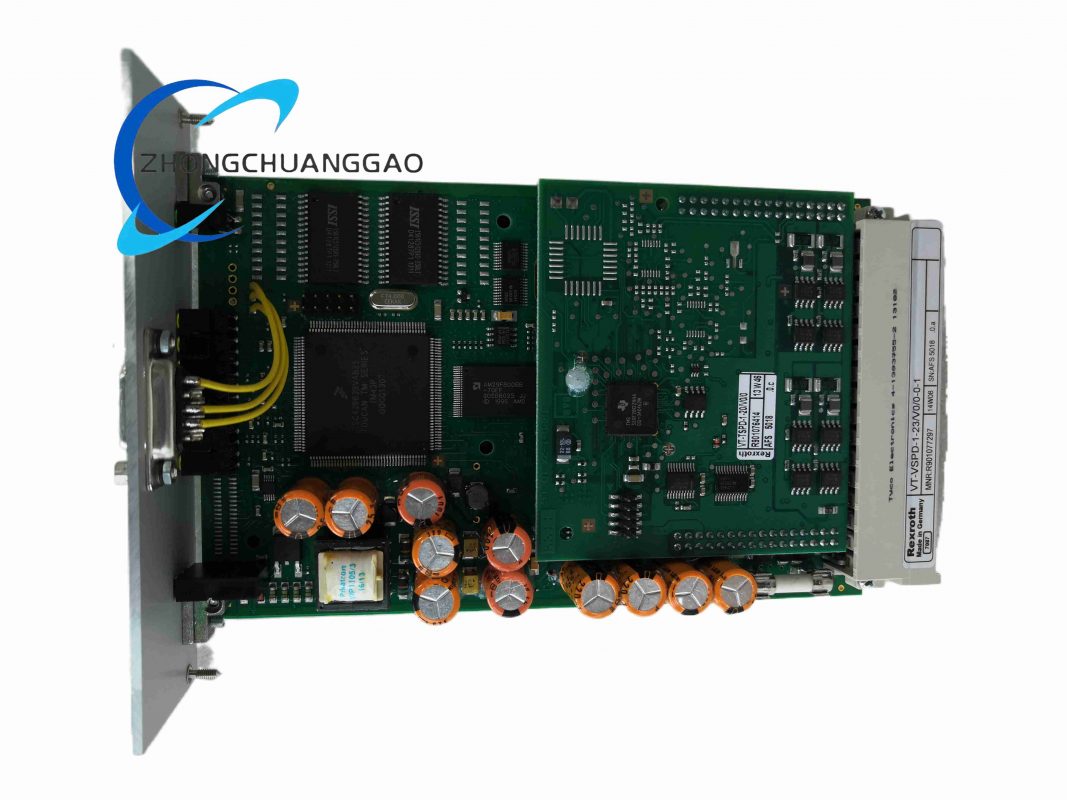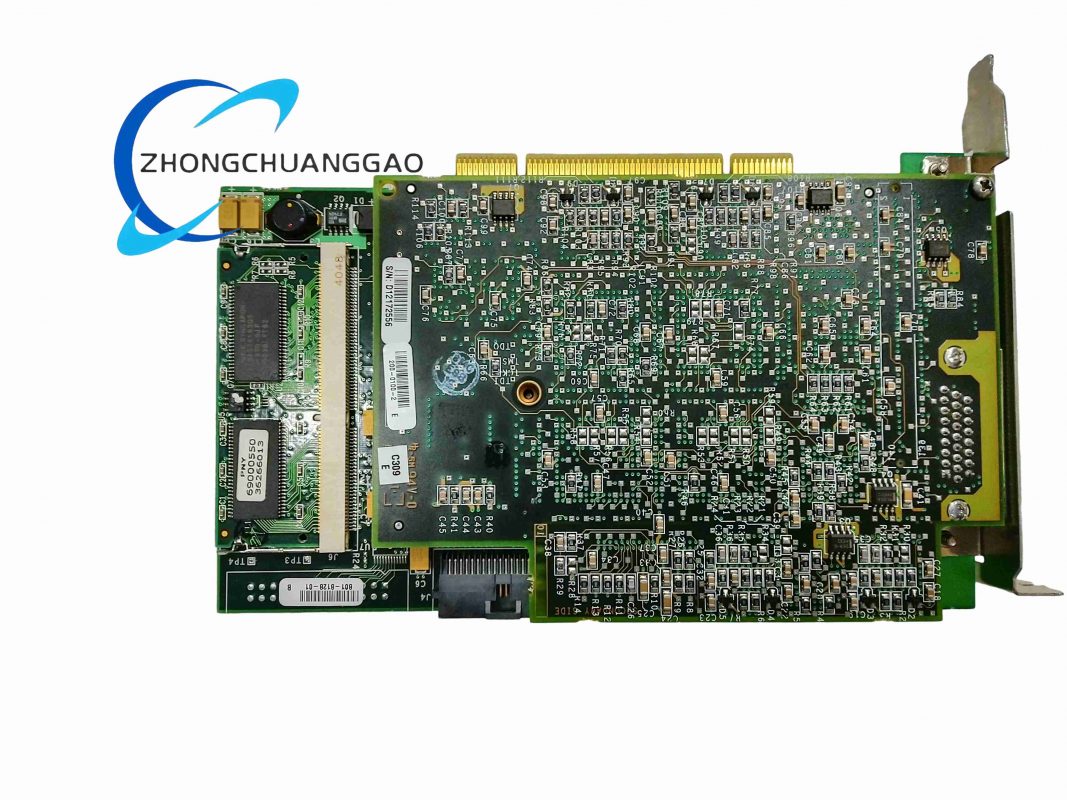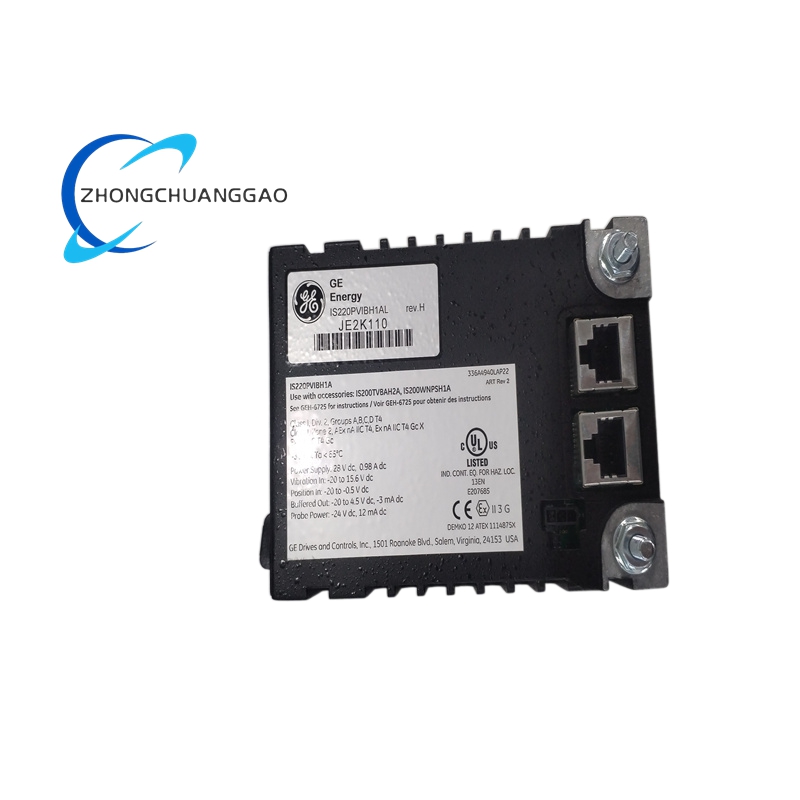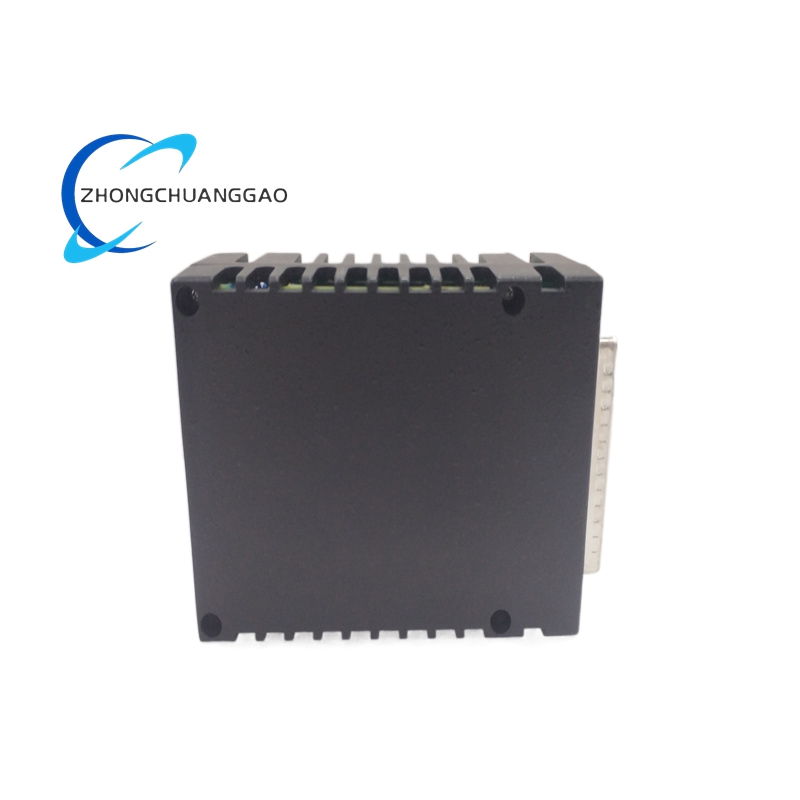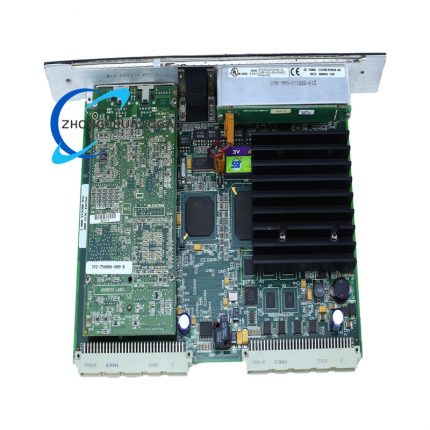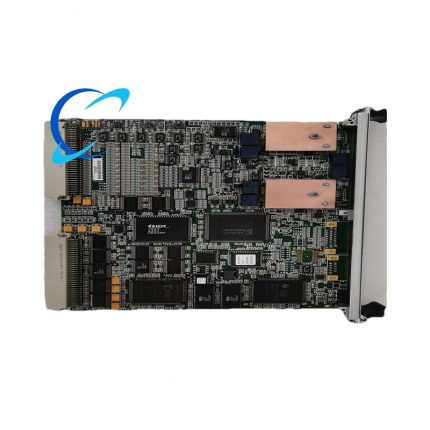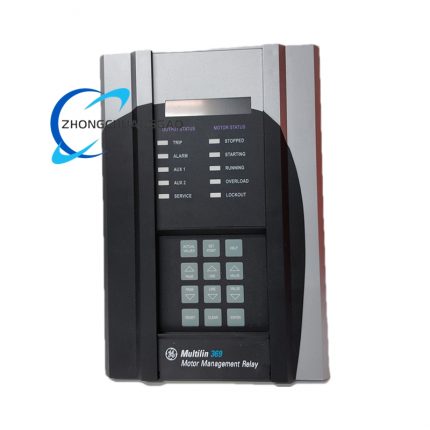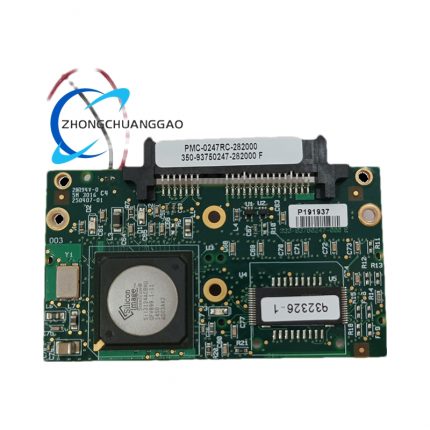

GE IS220PVIBH1A

Product Introduction

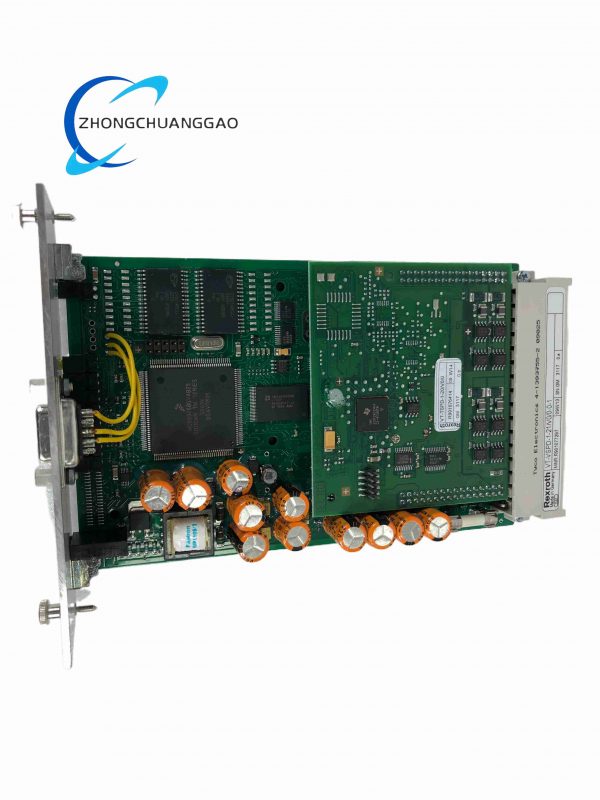
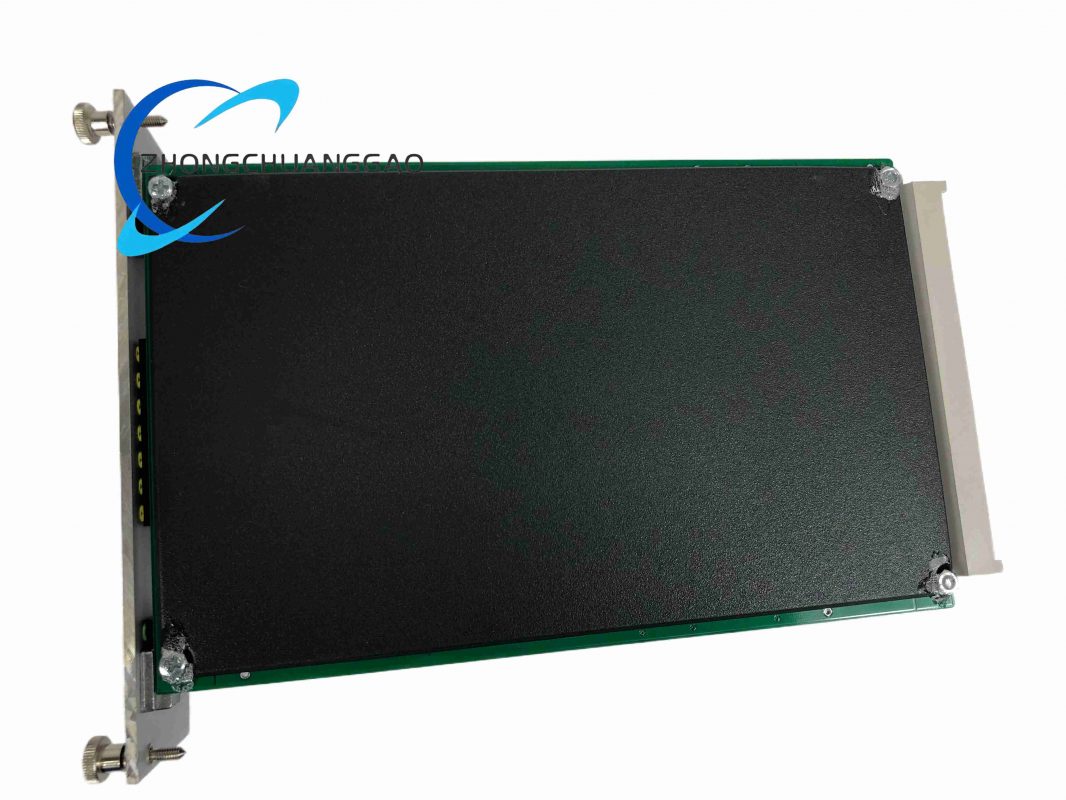
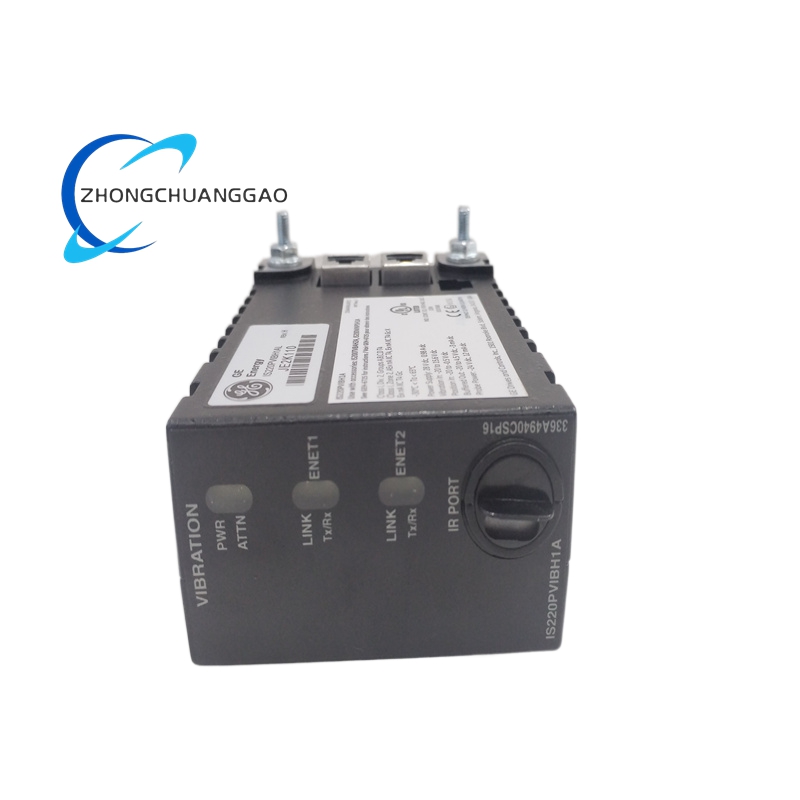
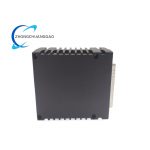
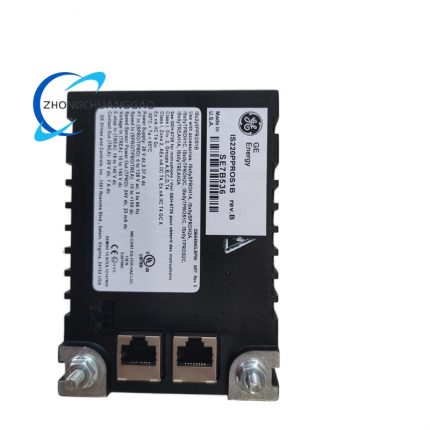
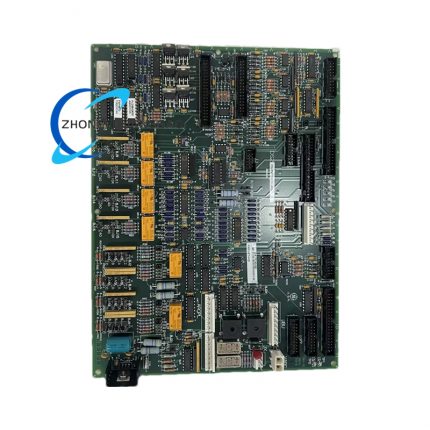
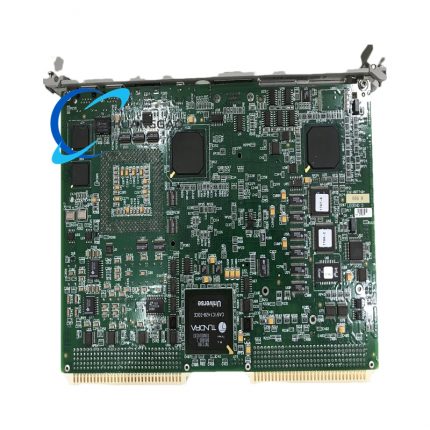
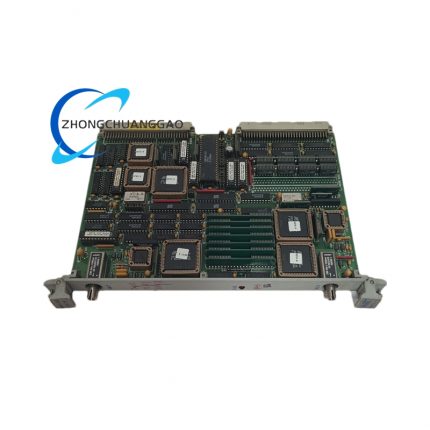
The IS220PVIBH1A is a dedicated Vibration Monitor (PVIB) I/O Pack from General Electric, designed as a core component of the Mark VIe Speedtronic Control Series for real‑time vibration and proximity monitoring of rotating machinery. It serves as the electrical interface between up to two I/O Ethernet networks and the TVBA vibration terminal board, processing data from 13 sensor channels to deliver critical machinery health insights. The module integrates a 32‑bit embedded local processor, a high‑precision data acquisition board, and a daughterboard, all standard across Mark VIe distributed I/O packs.
Category:
Description

Technical Specifications

  • Manufacturer: General Electric (GE) Energy, GE Boards & Turbine Control
  • Product Series: Mark VIe Speedtronic Control System
  • Module Type: Vibration Monitor (PVIB) I/O Pack
  • Part Number: IS220PVIBH1A (Functional Revision A)
  • PCB Coating: Conformal coating for environmental protection
  • Processor: 32‑bit embedded local processor optimized for vibration data processing
  • Memory: 8 MB flash memory for program storage, 4 MB DRAM for data buffering
  • Power Supply: 28 V DC (nominal), voltage range 27.4–28.6 V DC; typical current draw 180 mA DC
  • Sensor Channels: 13 dedicated channels for vibration and proximity monitoring
    • Channels 1–8: Proximitors, Velomitors, seismic sensors, accelerometers (channels 1–3 only)
    • Channels 9–12: Proximitors only
    • Channel 13: Configurable for Keyphasor or proximity signals
  • Probe Power: -24 V DC, 12 mA load per transducer
  • Input Signal Bandwidth: 1150 Hz for accurate high‑frequency vibration capture
  • Frame Rates: 3.125, 6.25, 12.5, 25, 50, 100 Hz
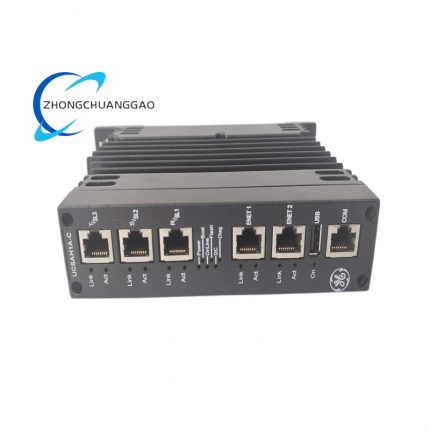
  • Communication Interfaces: 2 × 100Base‑TX Ethernet ports (RJ‑45) for IONet communication with Mark VIe controllers
  • Terminal Board Compatibility: TVBA vibration terminal board (TVBAH2A/TVBAH2B for buffered outputs)
  • Connectors: DC‑37 pin for terminal board connection; dual RJ‑45 for Ethernet; 3‑pin power input
  • Operating Temperature: -40°C to +70°C
  • Storage Temperature: -55°C to +85°C
  • Humidity Range: 5%–95% non‑condensing
  • Vibration Resistance: Compliant with IEC 60068‑2‑6 (10–500 Hz, 10 g peak)
  • Shock Resistance: Compliant with IEC 60068‑2‑27 (50 g, 11 ms duration)
  • Isolation: Channel‑to‑backplane isolation (2500 Vrms) for noise immunity
  • Certifications: UL/cUL Class I, Div 2 compliant; IEC 61010‑1 safety certified; CE marked for EMC compliance
  • Dimensions: 83 mm × 42 mm × 122 mm (3.27 in × 1.65 in × 4.80 in)
  • Weight: 380 g (0.84 lbs)

Functional Features

  • Multi‑Sensor Compatibility: Supports Proximitors, Velomitors, seismic sensors, and accelerometers (channels 1–3), with channel 13 for Keyphasor/proximity signals.
  • Dual Ethernet Redundancy: Two 100Base‑TX ports ensure uninterrupted data transfer to Mark VIe controllers, critical for high‑availability applications.
  • High‑Precision Data Acquisition: 1150 Hz input bandwidth and selectable frame rates (3.125–100 Hz) for accurate vibration signal capture.
  • Keyphasor Integration: Channel 13 configurable for Keyphasor signals to enable phase‑based vibration analysis and machinery balancing.
  • TVBA Terminal Board Connectivity: Direct DC‑37 pin connection to TVBA terminal board for seamless field wiring and sensor integration.
  • Diagnostic Monitoring: Built‑in diagnostics for sensor signal loss, Ethernet link health, and power status, with status LEDs (Attn, Pwr, Link, TxRx) for rapid fault detection.
  • ToolboxST Compatibility: Fully integrated with GE ToolboxST for configuration, real‑time monitoring, and firmware updates.
  • Hot‑Swappable Design: Supports hot‑swap replacement without system shutdown, minimizing maintenance downtime.
  • Conformal Coating: Protects against harsh industrial environments, ensuring reliable performance in power plants and manufacturing facilities.

Application Scenarios

  • Mark VIe Turbine Control: Vibration monitoring module for gas/steam turbines, detecting imbalances, misalignments, and bearing wear via 13 sensor channels.
  • Power Generation: Deployed in power plants to monitor generators, turbines, and auxiliary rotating equipment for predictive maintenance.
  • Oil & Gas Infrastructure: Used in compressor stations, LNG plants, and offshore platforms to monitor pump and compressor vibration for early fault detection.
  • Industrial Rotating Machinery: Critical for monitoring motors, fans, and gearboxes in manufacturing lines to prevent unplanned downtime.
  • Predictive Maintenance Programs: Captures real‑time vibration data for trend analysis, enabling proactive maintenance and extending equipment lifespan.
  • Retrofit Projects: Compatible with legacy Mark VI systems, upgrading vibration monitoring capabilities when migrating to Mark VIe architectures.

Compatibility

  • GE Platforms: Mark VIe Speedtronic control systems, compatible with simplex and redundant architectures
  • Terminal Boards: TVBA vibration terminal board (TVBAH2A/TVBAH2B for buffered outputs)
  • Sensor Types: Proximitors, Velomitors, seismic sensors, integrated‑output accelerometers (channels 1–3)
  • Communication Protocols: 100Base‑TX Ethernet (IONet) for data exchange with Mark VIe controllers
  • Power Supplies: 28 V DC industrial power systems with 27.4–28.6 V DC range
  • Software: GE ToolboxST for configuration, diagnostics, and firmware updates

Installation Notes

  1. Backplane Mounting: Install in Mark VIe standard chassis, align with backplane connectors, and secure with locking clips to prevent vibration‑induced disconnections.
  2. Power Connection: Supply 28 V DC to power terminals, verify correct polarity to avoid component damage; ensure power supply meets 27.4–28.6 V DC range.
  3. TVBA Terminal Board Setup: Connect to TVBA terminal board via DC‑37 pin connector; wire sensors to corresponding channels per module specifications.
  4. Ethernet Configuration: Connect dual Ethernet ports to Mark VIe IONet network; assign unique IP addresses and enable redundancy mode for high availability.
  5. Sensor Configuration: Use ToolboxST to set sensor types, frame rates, and Keyphasor settings for channel 13.
  6. Diagnostic Check: After installation, perform self‑test via ToolboxST to verify sensor signal reception, Ethernet link health, and module functionality.
  7. Environmental Protection: Ensure installation enclosure has IP54 or higher rating to complement conformal coating and protect against dust, moisture, and chemical exposure.
  8. Post‑Installation Testing: Conduct vibration signal validation, Keyphasor synchronization, and redundancy failover tests to confirm module operation before system commissioning.

Key Advantages

  • 13‑Channel Monitoring: Comprehensive coverage of rotating machinery vibration with flexible sensor configuration across channels.
  • Dual Ethernet Redundancy: Ensures continuous data transfer for high‑availability applications in critical industries.
  • Multi‑Sensor Support: Adapts to diverse monitoring needs with compatibility for Proximitors, Velomitors, seismic sensors, and accelerometers.
  • High‑Precision Data: 1150 Hz bandwidth and selectable frame rates deliver accurate, actionable vibration insights for predictive maintenance.
  • Advanced Diagnostics: Built‑in fault detection and status LEDs enable rapid troubleshooting, reducing maintenance time and costs.
  • ToolboxST Integration: Simplifies setup and monitoring, lowering total cost of ownership and improving operational efficiency.
Reviews (0)

Reviews

There are no reviews yet.

Be the first to review “GE IS220PVIBH1A”

Your email address will not be published. Required fields are marked *

Shipping and Delivery

MAECENAS IACULIS

Vestibulum curae torquent diam diam commodo parturient penatibus nunc dui adipiscing convallis bulum parturient suspendisse parturient a.Parturient in parturient scelerisque nibh lectus quam a natoque adipiscing a vestibulum hendrerit et pharetra fames nunc natoque dui.

ADIPISCING CONVALLIS BULUM

  • Vestibulum penatibus nunc dui adipiscing convallis bulum parturient suspendisse.
  • Abitur parturient praesent lectus quam a natoque adipiscing a vestibulum hendre.
  • Diam parturient dictumst parturient scelerisque nibh lectus.

Scelerisque adipiscing bibendum sem vestibulum et in a a a purus lectus faucibus lobortis tincidunt purus lectus nisl class eros.Condimentum a et ullamcorper dictumst mus et tristique elementum nam inceptos hac parturient scelerisque vestibulum amet elit ut volutpat.