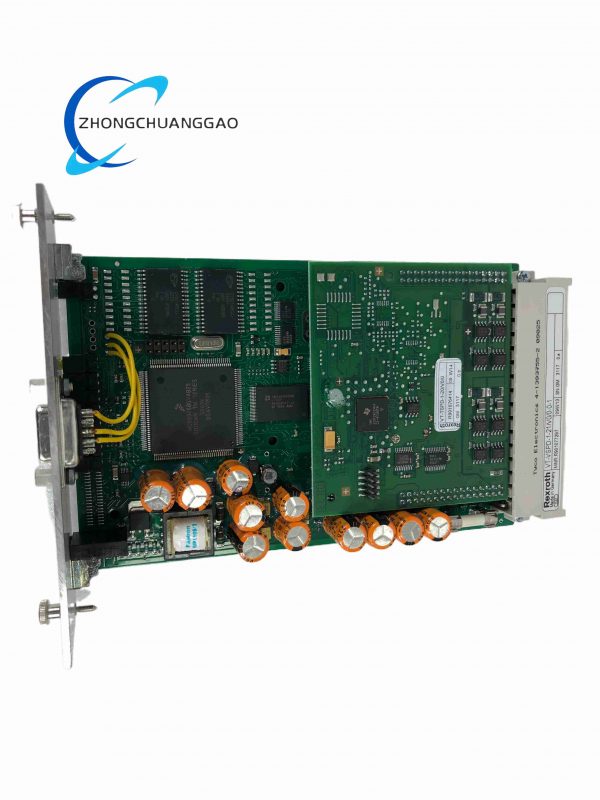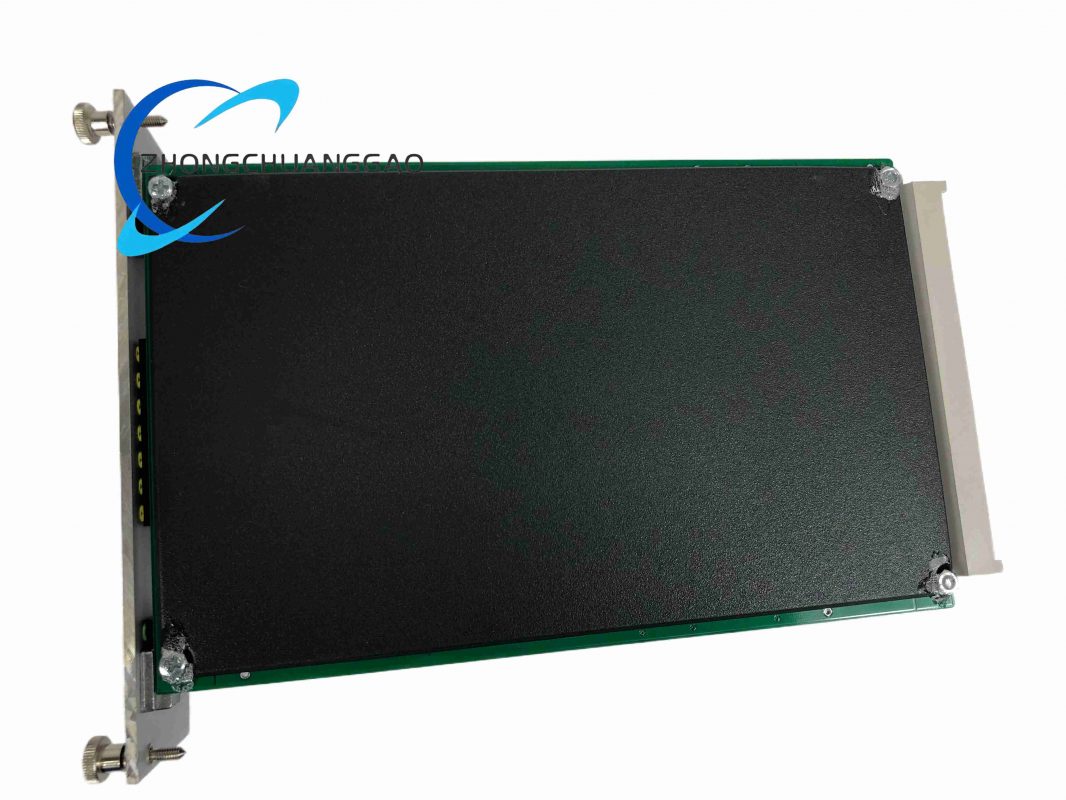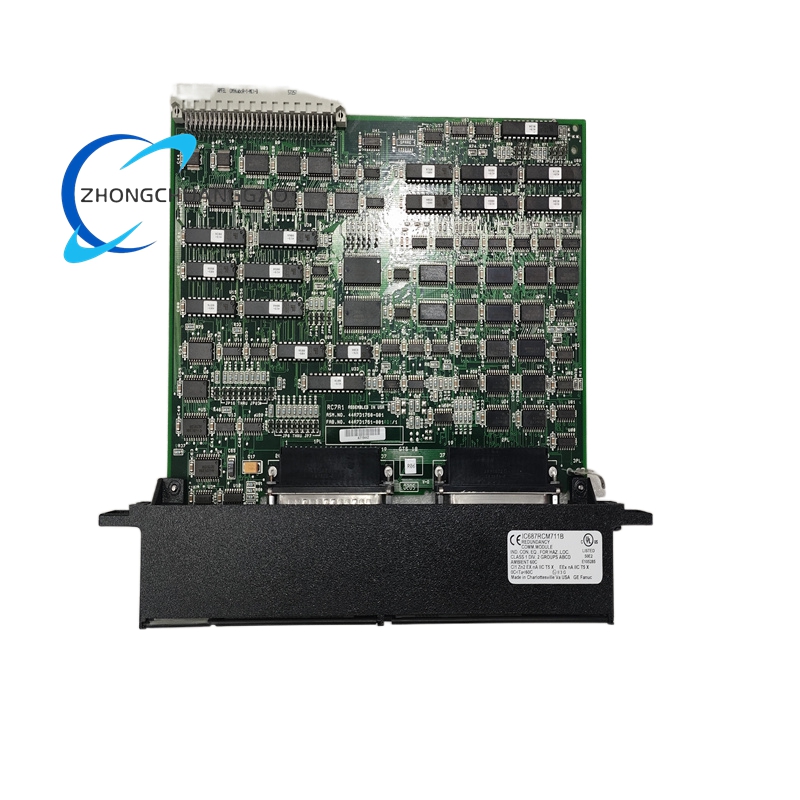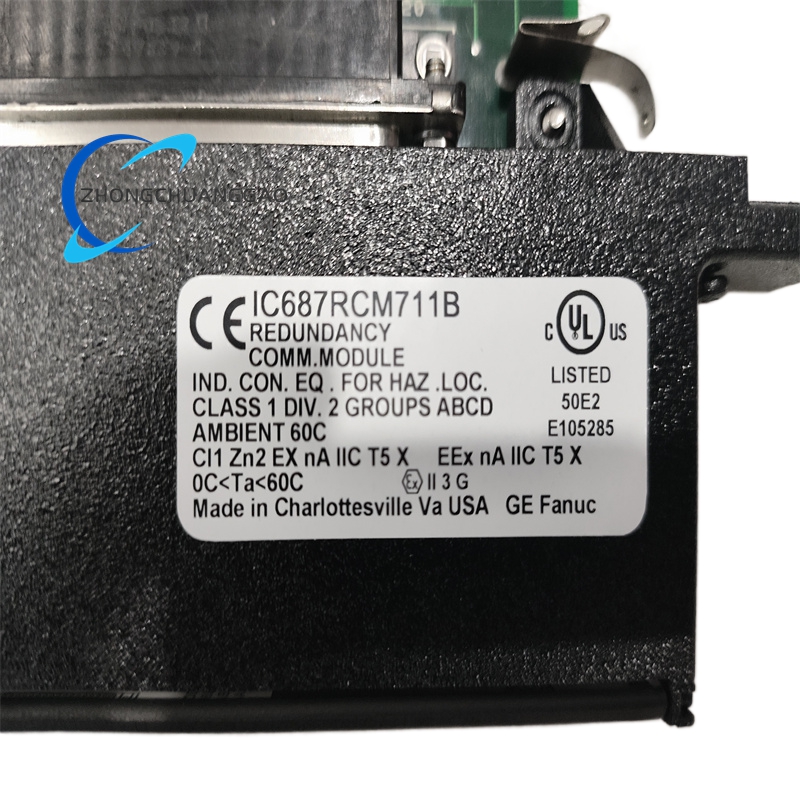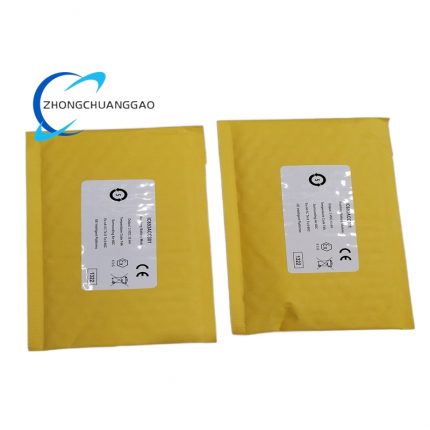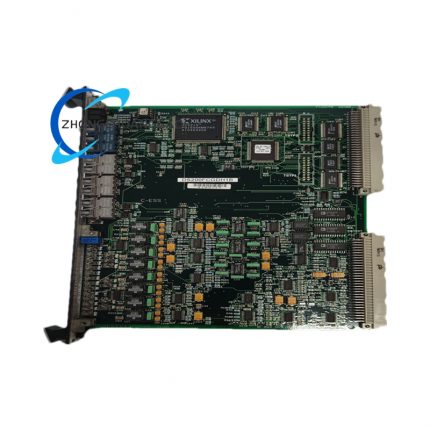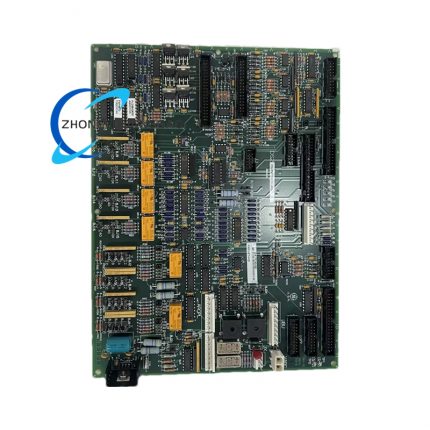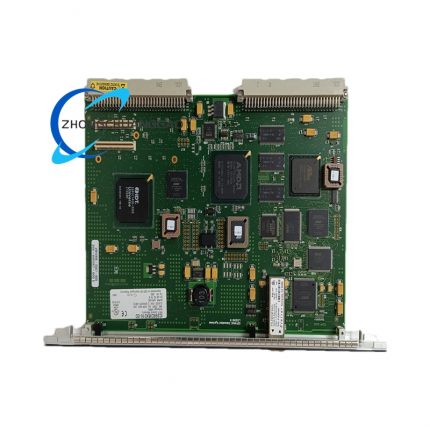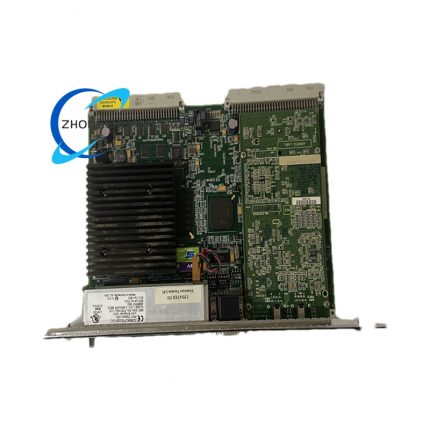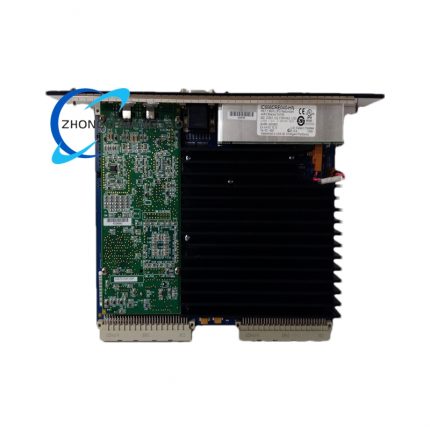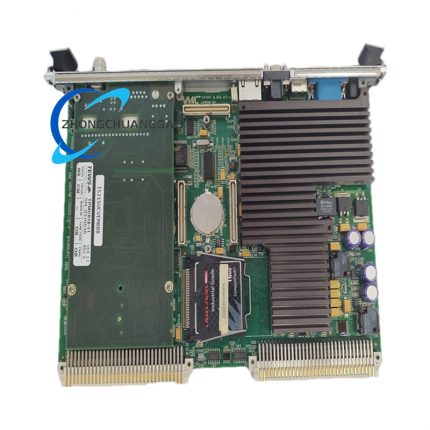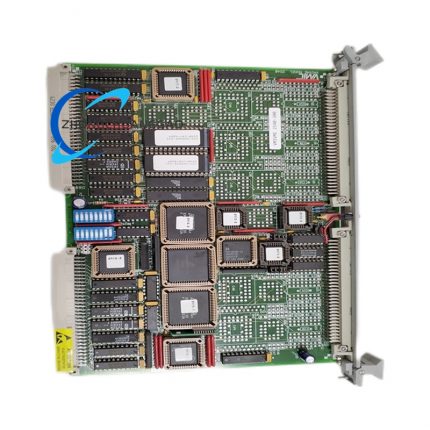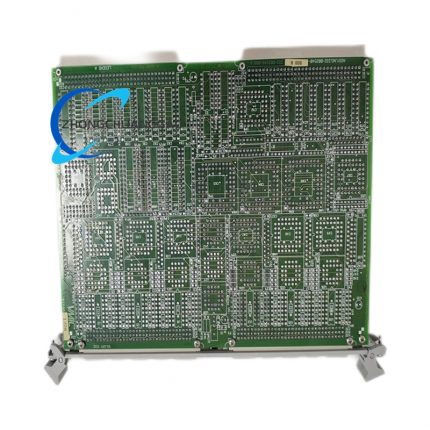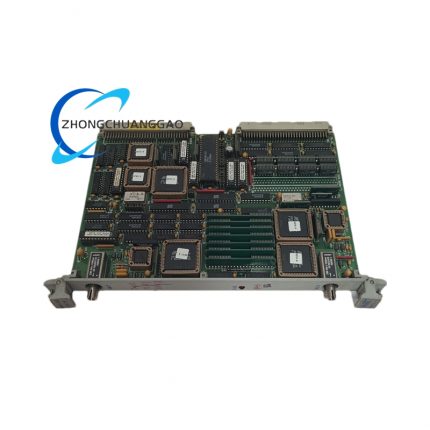

GE IC687RCM711 Redundant Communication Module

Technical Specifications

  • Communication Protocol: Supports Ethernet/IP (compliant with ODVA standards), including Class 1 (real-time control) and Class 3 (non-real-time data) modes.
  • Network Interface: Two RJ45 Ethernet ports, supporting 10/100 Mbit/s adaptive speed with Auto-MDIX auto-crossover functionality.
  • Processor: 32-bit microprocessor with a main frequency of 200 MHz.
  • Memory: 128 MB RAM for data caching and 64 MB Flash for configuration storage.
  • Power Supply: Draws power from the internal 5V DC bus of GE RX3i PLC, with a maximum power consumption current of ≤300 mA.
Category:
Description
  • Operating Temperature: 0°C to +60°C.
  • Storage Temperature: -40°C to +85°C.
  • Humidity: 5% to 95% (non-condensing).
  • Protection Class: IP20 (suitable for installation in enclosed control cabinets only).
  • Real-time Performance: Data response time of ≤1 ms in Class 1 mode, meeting industrial-grade real-time control requirements.
  • Compatibility: Compatible with the entire GE RX3i series of PLCs (such as IC695 and IC687 series) and supports third-party Ethernet/IP devices (e.g., Rockwell and Schneider products).
  • Electrostatic Discharge Protection: Ethernet ports feature ±15 kV ESD protection, complying with EN 61000-6-2 electromagnetic compatibility standards.

Functional Features

  • Redundant Design: Adopts a redundant architecture to ensure that the backup unit can swiftly take over in the event of a failure in the active unit, enhancing system stability and continuity.
  • High Reliability: Utilizes high-quality materials and manufacturing processes to deliver robust performance in harsh industrial environments.
  • Flexible Network Topology: Equipped with two independent Ethernet ports, enabling the construction of “linear” or “ring” network topologies. Data can automatically switch to the backup link in case of a failure in one communication link, preventing system downtime due to single-point failures.
  • Dual-Mode Support: Supports both Class 1 and Class 3 modes of Ethernet/IP. Class 1 is used for transmitting real-time signals such as motor control and emergency shutdowns, ensuring millisecond-level response times. Class 3 is used for non-real-time tasks such as PLC configuration updates and device fault log uploads, ensuring uninterrupted data interaction.
  • Easy Integration: Can be directly inserted into the dedicated slot of GE RX3i PLC without the need for additional drivers or adapters. The PLC automatically recognizes the module model upon power-up, simplifying system integration.
  • Self-diagnosis Function: Monitors network status in real-time (e.g., link connectivity, data transmission error rates) and feeds diagnostic information back to the PLC and SCADA system. Engineers can view port status and fault codes through software, shortening troubleshooting time.
  • Anti-interference Design: Features an anti-interference housing and electrostatic protection for Ethernet ports, capable of withstanding electromagnetic interference commonly found in industrial settings (e.g., motor startups and inverter operations).

Application Scenarios

  • Industrial Automation: Used in manufacturing plants to ensure seamless communication between PLCs and external devices (such as SCADA systems, third-party PLCs, and Human-Machine Interfaces (HMIs)), preventing production interruptions due to communication failures.
  • Power Systems: Enhances the reliability of monitoring and control systems in power transmission and distribution systems, ensuring timely fault detection and recovery. For example, in small and medium-sized photovoltaic power plants, it collects data such as inverter output power, voltage, and temperature via Ethernet/IP Class 3 mode and uploads it to the power station monitoring system. In case of overvoltage or overcurrent faults in the inverter, it swiftly transmits shutdown instructions via Class 1 mode to safeguard power plant operation.
  • Water Treatment: Controls equipment in water treatment processes, optimizing water resource utilization. For instance, in the SCADA system of a water treatment plant, it improves system fault tolerance through redundant communication links, ensuring real-time data synchronization between the onboard controller and trackside equipment in metro Automatic Train Operation (ATO) systems and reducing train delay risks caused by communication interruptions.
  • Rail Transportation: Manages train operations and signaling systems, ensuring safe and efficient rail transportation.
  • Other Industrial Fields: Applicable in any industrial sector requiring highly reliable communication, such as intelligent logistics and small and medium-sized energy facilities. For example, in unmanned warehousing systems, it is deployed in Automated Guided Vehicle (AGV) scheduling PLCs, sending path planning and docking instructions to AGVs via Ethernet/IP Class 1 mode with a response time of ≤1 ms, ensuring collision-free coordination among multiple AGVs. Simultaneously, it receives AGV battery levels and fault alarms via Class 3 mode, triggering charging scheduling when the battery level falls below a threshold.
Reviews (0)

Reviews

There are no reviews yet.

Be the first to review “GE IC687RCM711 Redundant Communication Module”

Your email address will not be published. Required fields are marked *

Shipping and Delivery

MAECENAS IACULIS

Vestibulum curae torquent diam diam commodo parturient penatibus nunc dui adipiscing convallis bulum parturient suspendisse parturient a.Parturient in parturient scelerisque nibh lectus quam a natoque adipiscing a vestibulum hendrerit et pharetra fames nunc natoque dui.

ADIPISCING CONVALLIS BULUM

  • Vestibulum penatibus nunc dui adipiscing convallis bulum parturient suspendisse.
  • Abitur parturient praesent lectus quam a natoque adipiscing a vestibulum hendre.
  • Diam parturient dictumst parturient scelerisque nibh lectus.

Scelerisque adipiscing bibendum sem vestibulum et in a a a purus lectus faucibus lobortis tincidunt purus lectus nisl class eros.Condimentum a et ullamcorper dictumst mus et tristique elementum nam inceptos hac parturient scelerisque vestibulum amet elit ut volutpat.